Introduction
Gynecomastia is a condition that causes abnormal enlargement of breast tissue in males. While it is common and often harmless, it can lead to emotional distress, low self-confidence, and physical discomfort. Before planning Gynecomastia Surgery, a detailed and accurate diagnosis is essential. Understanding how doctors confirm gynecomastia helps patients know what to expect, reduces anxiety, and ensures safe treatment outcomes.
What is Gynecomastia and Why Does Diagnosis Matter?
Gynecomastia occurs when there is an imbalance between estrogen (female hormone) and testosterone (male hormone). This hormonal shift leads to the growth of glandular breast tissue in men.
The diagnosis is crucial because breast enlargement may not always be true gynecomastia. In some cases, it may be pseudogynecomastia, which is caused by excess fat and not glandular tissue. Differentiating between these conditions helps your surgeon choose the right treatment fat reduction, gland removal, liposuction, or a combination.
Accurate diagnosis ensures:
- Correct identification of the condition
- Selection of appropriate surgical technique
- Avoidance of unnecessary procedures
- Better, long-lasting results
Following are the Diagnosis of Gynecomastia Surgery
- Initial Medical Evaluation
The diagnosis begins with a detailed medical history. Your gynecomastia specialist will ask questions to understand the root cause, duration, and severity of your symptoms.
Common areas discussed during evaluation include:
- Duration: How long the breast enlargement has been present
- Pain or tenderness: Indicates active hormonal changes
- Medications used: Steroids, antidepressants, anti-androgens, or anti-ulcer drugs
- Lifestyle factors: Alcohol consumption, drug use, bodybuilding supplements
- Existing health conditions: Liver disease, kidney disorders, thyroid issues, hormonal disorders
A thorough medical evaluation helps the doctor identify whether the condition is hormonal, medication-induced, age-related, or idiopathic (cause unknown).
- Physical Examination
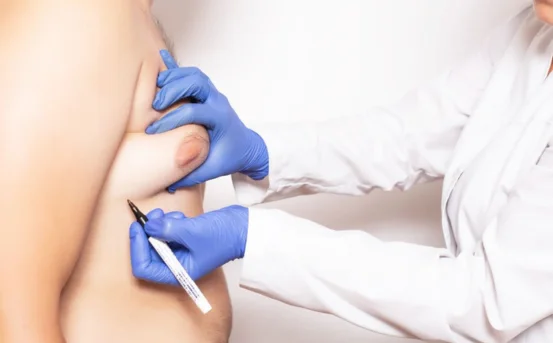
The next essential step in the diagnosis of gynecomastia is a physical exam.
The surgeon evaluates the shape, size, and feel of the breast tissue. True gynecomastia typically involves firm glandular tissue around the nipple area, whereas pseudogynecomastia feels soft and fatty.
During physical examination, the surgeon checks for:
- Location and firmness of breast tissue
- Skin elasticity and fat distribution
- Presence of nipple discharge
- Signs of asymmetry
- Pain or sensitivity around the areola
This step helps determine the severity of gynecomastia and whether surgery is required. Physical examination is a simple yet highly effective diagnostic tool.
- Hormonal & Blood Tests
To understand internal imbalances, the surgeon may recommend blood tests. Hormonal variations are one of the leading causes of gynecomastia, especially in adolescents and adults.
Common tests include:
- Testosterone levels
- Estrogen levels
- Thyroid function test
- Liver function test
- Kidney function test
- Prolactin levels
These tests help identify conditions like hypogonadism, hyperthyroidism, or other endocrine disorders. If an underlying medical issue is found, it must be treated first before considering surgery.
- Imaging Tests
Imaging studies are often used when physical examination findings are unclear.
The most common imaging methods:
- Ultrasound: Helps distinguish fatty tissue from glandular tissue. It is non-invasive, quick, and highly effective.
- Mammography: Recommended if the doctor suspects any abnormal lumps, asymmetry, or signs of male breast cancer (very rare).
These tests guide the surgeon in planning the right surgical approach depending on the type and density of breast tissue.
- Grading of Gynecomastia
For surgical planning, gynecomastia is classified into grades. This grading helps determine whether the patient needs liposuction, gland excision, skin tightening, or a combination.
Gynecomastia Grades:
- Grade 1: Mild enlargement without excess skin
- Grade 2: Moderate enlargement with minor skin excess
- Grade 3: Significant enlargement with noticeable extra skin
- Grade 4: Severe enlargement resembling female breast shape
A proper diagnosis includes identifying the correct grade to plan the most effective surgical technique.
- When is Gynecomastia Surgery Recommended?
After complete evaluation and diagnosis, the surgeon will decide whether surgery is needed.
Gynecomastia surgery is usually recommended when:
- The condition has persisted for more than 12 months
- Breast tissue is firm, dense, or growing
- The patient experiences emotional discomfort or low confidence
- Non-surgical methods like diet and exercise show no improvement
- Pain, sensitivity, or nipple issues are present
Surgery remains the most effective and permanent solution for true gynecomastia.
- Choosing the Right Gynecomastia Surgeon
Since the diagnosis is complex and involves multiple steps, choosing a skilled and experienced gynecomastia surgeon is crucial. Look for:
- Certified cosmetic or plastic surgeon
- Experience in male chest contouring
- Good patient reviews
- Advanced surgical techniques
- Transparent pricing and consultation
A qualified surgeon ensures accurate diagnosis and delivers natural, masculine chest results.
Conclusion
The diagnosis of gynecomastia surgery is a detailed process that involves clinical examination, blood tests, imaging, and grading of the condition. Proper diagnosis is the key to successful treatment and ensures that the patient receives the right type of surgery with long-lasting outcomes.
If you or someone you know is dealing with male breast enlargement, consulting a gynecomastia specialist is the first step toward regaining confidence and comfort.