Introduction
Joint pain is a common health problem that affects people of all ages, from young adults to the elderly. It can result from injury, overuse, aging, inflammation, or underlying medical conditions. Pain in the joints, whether mild or severe, can interfere with daily activities such as walking, climbing stairs, or even performing simple tasks like writing or cooking.
Proper diagnosis and treatment are essential to relieve discomfort, restore mobility, and prevent long-term damage to the joints. Joint pain is not just a symptom; it can be a signal of underlying issues that need careful evaluation and management.
Diagnosis of Joint Pain Treatment
- Diagnostic :- The first step in managing joint pain is a thorough diagnostic evaluation. Accurate diagnosis helps healthcare providers identify the cause, determine the severity, and recommend the most appropriate treatment plan. Diagnosis typically involves a combination of medical history, physical examination, and diagnostic tests.
- Medical History :- Doctors begin by taking a detailed medical history. Patients are asked about the duration and location of pain, factors that worsen or relieve it, presence of swelling or stiffness, previous injuries, lifestyle habits, and any family history of joint disorders. Understanding the pattern of pain whether it is sudden or gradual, constant or intermittent provides important clues about the underlying cause.
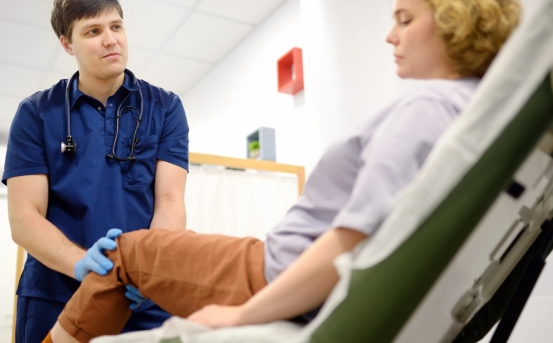
- Physical Examination :- During a physical exam, the healthcare provider assesses the affected joint for swelling, redness, warmth, and tenderness. They may evaluate the range of motion, strength, and stability of the joint, as well as the surrounding muscles and ligaments. This hands-on assessment helps determine whether the pain originates from the joint itself, nearby tissues, or referred from another area of the body.
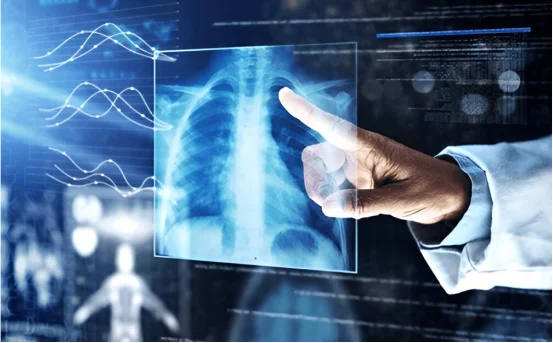
- Diagnostic Tests :- Imaging and laboratory tests are often used to confirm the diagnosis or rule out serious conditions. X-rays help identify bone changes, joint space narrowing, or arthritis. MRI scans provide detailed images of soft tissues, including cartilage, ligaments, and tendons, revealing injuries or inflammation that X-rays cannot detect. CT scans are sometimes used to assess complex joint structures, especially in the spine or hips. Blood tests may be recommended to detect signs of inflammation, infection, or autoimmune activity. These tests help identify conditions that can cause joint pain, such as rheumatoid arthritis, gout, or infections. In some cases, fluid may be drawn from the joint to analyze for crystals, infection, or other abnormalities. Through this comprehensive approach, doctors can pinpoint the cause of joint pain, determine whether it is acute or chronic, and establish a personalized treatment plan that targets the underlying problem.
Treatment of Joint Pain
Treatment for joint pain focuses on relieving symptoms, improving function, and preventing further joint damage. The approach may vary depending on the cause, severity, and overall health of the patient, but typically includes lifestyle adjustments, medications, physical therapy, and procedural interventions when necessary.
- Lifestyle Modifications :- Simple changes in daily habits can have a significant impact on joint health. Maintaining a healthy weight reduces stress on weight-bearing joints such as the knees, hips, and spine. Regular low-impact exercise, such as swimming, walking, or cycling, helps strengthen muscles around the joints, improves flexibility, and supports overall mobility. Applying heat or cold therapy can alleviate pain and reduce inflammation, depending on the type and timing of joint discomfort.
- Medications :- Doctors may recommend medications to relieve pain and inflammation. Over-the-counter pain relievers such as acetaminophen or nonsteroidal anti-inflammatory drugs (NSAIDs) can reduce mild to moderate pain. Prescription medications may be necessary for more severe or persistent joint pain. Anti-inflammatory medications can help decrease swelling and stiffness, while medications targeting underlying conditions, such as autoimmune diseases or infections, address the root cause of the pain.
- Physical Therapy :- A key component of joint pain management is physical therapy. Trained therapists guide patients through exercises designed to strengthen muscles, improve flexibility, and maintain joint function. Therapy may also include manual techniques to improve joint mobility, education on proper posture, and strategies to reduce strain during daily activities. Consistent participation in a tailored physical therapy program can significantly improve quality of life for individuals with chronic joint pain.
- Assistive Devices and Support :- In some cases, the use of braces, splints, or orthotic devices can help support the joint, reduce pain, and prevent further injury. These aids are particularly helpful during physical activity or rehabilitation, allowing patients to maintain mobility while protecting vulnerable joints.
- Procedural Interventions :- For patients who do not respond to conservative measures, healthcare providers may recommend minimally invasive interventions. These procedures can relieve pain, improve joint function, and promote healing. Joint injections, such as corticosteroids, can reduce inflammation and provide temporary pain relief. In certain cases, more advanced treatments may be considered to restore joint health or address structural damage.
- Patient Education and Monitoring :- Successful management of joint pain also relies on patient awareness and proactive care. Individuals are educated about joint protection strategies, activity modification, and early recognition of flare-ups. Regular follow-up with healthcare providers ensures that treatment remains effective, progress is monitored, and adjustments are made as needed.
Conclusion
Joint pain is a common but complex condition that can affect anyone, limiting mobility and interfering with daily life. Accurate diagnosis is critical for effective treatment, involving a detailed medical history, thorough physical examination, and a combination of imaging and laboratory tests. Once the cause is identified, a comprehensive treatment plan that combines lifestyle modifications, medication, physical therapy, and procedural interventions can provide relief, restore function, and prevent long-term complications.
By addressing both symptoms and underlying causes, patients can regain mobility, reduce discomfort, and maintain joint health for the long term. Early intervention, adherence to therapy, and ongoing monitoring play key roles in achieving lasting results and improving overall quality of life for individuals dealing with joint pain.