Introduction
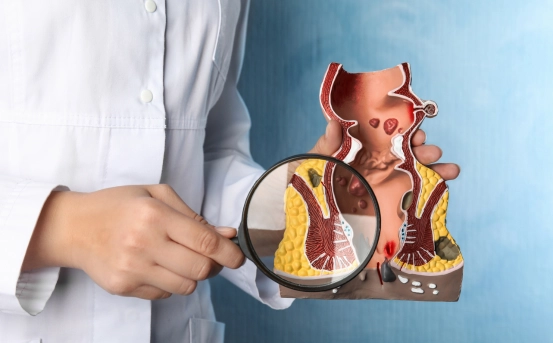
Rectal prolapse is a medical condition in which the rectum the final section of the large intestine slips or protrudes through the anus. Although this condition is more common in older adults, especially women, it can affect individuals of any age. Early diagnosis is crucial because timely detection allows for effective treatment, prevents complications, and improves overall quality of life. Here we will explore diagnosis of rectal prolapse, what tests are commonly used, and why accurate evaluation is essential.
Understanding Rectal Prolapse: Why Diagnosis Matters
Rectal prolapse may begin with mild symptoms, such as discomfort during bowel movements or the feeling that something is “coming out” of the rectum. Over time, the condition can progress, leading to persistent bulging, bleeding, mucus discharge, and difficulty controlling stool. Without proper diagnosis, rectal prolapse can worsen, causing infection, ulceration, constipation, or fecal incontinence.
A detailed diagnosis helps doctors determine
- The stage and severity of the prolapse
- Whether the prolapse is internal or external
- Underlying causes such as chronic constipation, nerve damage, or pelvic floor weakness
- The best treatment option whether medical management, pelvic therapy, or surgery
Detailed Medical History
The first step in diagnosing rectal prolapse is taking a thorough medical history. During this consultation, your doctor will ask questions related to bowel habits, symptoms, and lifestyle factors. They may inquire about
- How often the rectum protrudes
- Whether the prolapse occurs only during bowel movements or even while standing
- History of constipation, straining, or chronic diarrhea
- Past pelvic surgeries or childbirth-related issues
- Presence of mucus discharge, bleeding, or loss of control over bowel movements
- Any sensations of incomplete bowel emptying
A patient’s medical history helps doctors understand the probable cause and rule out other gastrointestinal disorders such as hemorrhoids or rectocele.
Physical Examination
A physical exam is one of the most reliable methods for diagnosing rectal prolapse. During the exam, the doctor carefully inspects the anal region to identify any visible prolapse. They may ask the patient to
- Sit or squat
- Bear down as if trying to pass stool
- Contract and relax pelvic muscles
This allows the physician to observe how far the rectum protrudes and whether it retracts automatically or requires manual pushing to go back in. If the prolapse is not visible at rest, the doctor may attempt to reproduce it during the exam.
A digital rectal examination is also performed, where the doctor gently inserts a lubricated, gloved finger into the rectum. This helps evaluate
- Rectal muscle tone
- Sphincter strength
- Presence of abnormalities, masses, or tissue weakness
This exam also helps differentiate rectal prolapse from conditions that may appear similar, such as hemorrhoids.
Colonoscopy or Sigmoidoscopy
To rule out other causes like polyps, tumors, inflammatory bowel diseases, or ulcerative colitis doctors often recommend a colonoscopy or sigmoidoscopy. These tests allow them to visually inspect the inside of the rectum and colon using a thin tube with a camera. A colonoscopy is particularly important in older adults to rule out colon cancer, which can occasionally cause straining and lead to rectal prolapse. This procedure also helps identify chronic inflammation or structural defects that may be contributing to the problem.
Defecography (X-Ray or MRI)
Defecography is one of the most accurate diagnostic tests for rectal prolapse. It shows how the rectum behaves during the process of passing stool. There are two types
- X-Ray Defecography :- A contrast material is inserted into the rectum, and X-ray images are taken while the patient attempts to defecate. This helps the doctor assess
- Internal rectal prolapse (where the rectum folds inward)
- Pelvic floor dysfunction
- Rectocele or enterocele
- The angle and movement of rectal tissues
- MRI Defecography :- MRI provides clearer, detailed images without radiation exposure. It shows the structure of the pelvic floor and surrounding organs, making it useful for complex cases.
Both tests help determine the exact severity of the prolapse and whether surgery may be necessary.
Anorectal Manometry
This test measures the pressure and function of the anal sphincters and rectum. A thin catheter is placed inside the rectum to record muscle contractions and nerve responses. Anorectal manometry is helpful for patients experiencing
- Fecal incontinence
- Chronic constipation
- Pelvic floor muscle dysfunction
It also allows the doctor to evaluate coordination between the rectum and sphincters during bowel movements.
Pelvic Floor Ultrasound
A pelvic floor or endoanal ultrasound can help visualize
- Sphincter muscle defects
- Pelvic tissue thickness
- Damage caused by childbirth or injury
It is especially useful for women who have experienced multiple pregnancies or vaginal deliveries, as pelvic floor weakness is a common cause of rectal prolapse.
Differentiating Rectal Prolapse From Hemorrhoids
Because rectal prolapse and hemorrhoids share similar symptoms like bleeding, bulging, and discomfort an accurate diagnosis is essential. Rectal prolapse involves full-layer rectal tissue, while hemorrhoids are swollen veins. A careful exam and appropriate testing help doctors make the correct distinction and provide effective treatment.
Conclusion
Diagnosing rectal prolapse requires a combination of medical history, physical examination, and specialized tests to accurately determine the severity and underlying cause. Early evaluation plays a crucial role in preventing complications, improving bowel function, and selecting the best treatment plan. If you or someone you know is experiencing symptoms such as rectal bulging, discomfort, or difficulty passing stool, timely consultation with a colorectal specialist can make a significant difference.