Introduction
Shoulder dislocation is one of the most common joint injuries, and its diagnosis is crucial for deciding whether surgical treatment is necessary. A dislocated shoulder occurs when the upper arm bone (humerus) slips out of its socket (glenoid), causing intense pain, instability, and limited motion. If not diagnosed correctly, the condition can lead to repeated dislocations, nerve damage, or long-term weakness.
Understanding Shoulder Dislocation
The shoulder is the most mobile joint in the human body, which makes it vulnerable to instability and dislocation. A shoulder can dislocate due to trauma, sports injuries, falls, or even minor force in people with joint laxity. Once the shoulder slips out of place, immediate diagnosis and treatment are essential to prevent complications.
Diagnosis plays a key role in determining whether the patient needs non-surgical immobilization or shoulder dislocation surgery such as Bankart repair, arthroscopic stabilization, or open reconstruction procedures.
Symptoms That Suggest a Shoulder Dislocation
Before confirming the diagnosis, doctors consider the symptoms, which usually include:
- Sudden, severe shoulder pain
- Visible deformity or “out-of-place” appearance
- Inability to move the arm
- Swelling, bruising, or numbness
- Weakness in shoulder and arm
These signs guide the doctor to the next steps of clinical and imaging diagnosis.
Clinical Examination for Shoulder Dislocation
A proper clinical examination is the first step and includes:
- Physical Assessment :- The orthopaedic surgeon inspects the shoulder for deformity, swelling, and muscle spasm. A typical sign is the “squared-off” shape of the shoulder caused by the humeral head slipping out of the socket.
- Range of Motion Testing : – Although the patient may be in pain, gentle tests help determine movement restrictions. Doctors avoid excessive force to prevent further injury.
- Neurovascular Evaluation :- Dislocations can stretch or damage nerves, especially the axillary nerve, which affects sensation around the shoulder. A nerve and blood flow check helps identify severe complications early.
- Patient History :- The doctor asks questions such as:
- How did the injury occur?
- Has the shoulder dislocated before?
- Do you engage in sports or heavy physical activities?
This information helps in determining whether surgery may be required.
Diagnosis of Shoulder Dislocation Surgery
Imaging tests confirm the type and severity of shoulder dislocation and guide the surgical decision-making process.
- X-Ray :- This is the first and most essential test. It helps identify:
- If the shoulder is anterior or posteriorly dislocated
- Presence of fractures
- Bone loss around the socket
X-rays also help assess whether immediate reduction (relocation) is needed.
- MRI Scan :- MRI is highly recommended when soft-tissue damage is suspected. It helps detect:
- Labral tears (Bankart lesion)
- Rotator cuff tears
- Ligament damage
- Capsule injury
MRI findings play a major role in determining if shoulder dislocation surgery is needed.
- CT Scan :- A CT scan is helpful when:
- There is significant bone loss
- Surgery is being planned
- Complex fractures accompany the dislocation
CT scans provide a detailed 3D view of the joint and help the surgeon plan a stable reconstruction.
When Do Doctors Recommend Shoulder Dislocation Surgery?
Not every dislocation requires surgery. Many first-time dislocations can be treated with closed reduction, rest, and physiotherapy. However, surgery becomes necessary when:
- Recurrent Dislocations :- If the shoulder keeps popping out repeatedly, surgery is the most effective solution to restore stability.
- Large Labral or Ligament Tears :- MRI evidence of soft-tissue tearing often indicates the need for surgical repair.
- Bone Loss or Fractures :- If the socket or head of the humerus has bone loss, surgical reconstruction is required for long-term stability.
- High-Demand Athletes :- Sports such as wrestling, football, swimming, or gymnastics put extreme stress on the shoulder. Surgery helps prevent future injuries and allows athletes to return safely.
- Failed Non-Surgical Treatment :- If physiotherapy does not restore stability, surgery becomes the next recommended step.
Types of Shoulder Dislocation Surgeries
Once diagnosis confirms the need for surgical treatment, doctors may choose one of the following procedures:
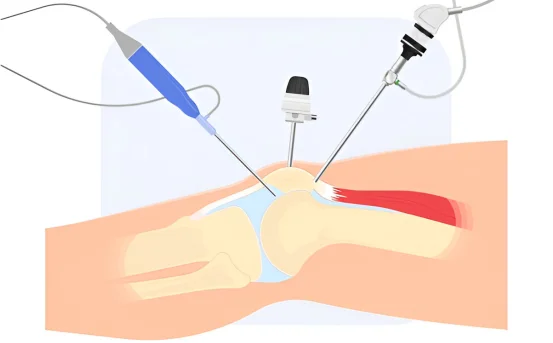
- Arthroscopic Bankart Repair :- A minimally invasive surgery used to fix torn labrum and restore shoulder stability.
- Latarjet Procedure :- Used when there is significant bone loss. A bone graft is taken from the coracoid process to increase socket support.
- Open Shoulder Stabilization :- Recommended for severe injuries, repeated dislocations, or major soft-tissue damage.
Importance of Accurate Diagnosis
A correct and timely diagnosis prevents complications such as:
- Chronic instability
- Permanent nerve damage
- Muscle weakness
- Early arthritis
- Repeated surgery
Accurate diagnosis ensures that the surgeon selects the most appropriate procedure, giving the patient better long-term outcomes.
Conclusion
The diagnosis of shoulder dislocation is a multi-step process involving physical examination, patient history, and advanced imaging techniques. It helps determine the extent of damage and guides orthopaedic surgeons in choosing the best treatment plan. For many patients—especially athletes and those experiencing repeated dislocations—timely diagnosis is the key step toward successful Shoulder Dislocation Surgery and long-term joint stability. If you suspect a shoulder dislocation or are experiencing repeated shoulder instability, seeking medical evaluation immediately can help prevent long-lasting problems.