Sleep is crucial for mental and physical wellbeing, and general well-being. If it is disrupted by conditions such as sleep apnea which can result in serious long-term health effects. Sleep Apnea is a serious illness where breathing stops and begins while you sleep. Finding and diagnosis of sleep apnea correctly can be the very first move to the most effective treatment and improved health.
Introduction to Sleep Apnea
Sleep apnea goes beyond simply a loud snoring sound or agitated nights. It’s a persistent sleep disorder that is characterized by frequent breathing pauses while sleeping. These pauses, referred to as apneas, are as short as a couple of seconds to minutes, and may be observed dozens, or even hundreds of times during the course of a night.
There are three types of sleep apnea.
- Obstructive Sleep Apnea (OSA) :- s the most frequent type, due to a physical obstruction in the airway.
- Central Sleep Apnea (CSA) :- The brain isn’t able to transmit the correct signals to muscles that regulate breathing.
- Complex Sleep Apnea Disorder CSS :- A combination of OSA as well as CSA.
No matter what the type, regardless of the type, sleep apnea may interfere with sleep and cause excessive fatigue during the day and cardiovascular issues, cognitive impairment and more. A timely diagnosis can help prevent these problems and increase the quality of life for patients.
Why Diagnosis Matters
A lot of people suffering from sleep apnea are not diagnosed for a long time because it occurs while sleeping and cannot be identified. But the health risks of sleep apnea that is not treated are serious:
- Hypertension is associated with increased risk and heart disease
- Greater risk of stroke and Type 2 diabetes
- Memory impairment and impaired concentration
- Lower productivity at work and an increased chance of injuries
- Increased function of the immune system
A correct diagnosis aids in not only finding out if there is sleep apnea but also determining the severity of the condition and the most effective treatment method.
Recognizing the Symptoms
Prior to a formal diagnosis the recognition of the most common symptoms may cause a trip to a physician. Patients who exhibit the following symptoms are advised to seek evaluation
- A constant, loud snoring
- Breathing cessation episodes observed by other people
- Sleeping with a choking or gasping
- Morning headaches
- Sore throat or dry mouth on waking
- Sleepiness or fatigue in the morning
- Trouble concentrating or mood swings
- Sleeplessness or insomnia
If the symptoms are persistent and interfere with your daily life an evaluation by a doctor is suggested.
Step-by-Step Diagnosis Process
The process of diagnosing sleep apnea is the use of the clinical examination, sleep studies as well as sometimes more advanced imaging or a specialist consultation. The process generally is carried out:
- Clinical Evaluation and Medical History :- The path to diagnosis begins with a thorough review of patients’ medical background and signs. The healthcare professional may inquire questions about:
- Quality of sleep and patterns
- The apnea episode is apnea-related episode that can
- Drowsiness during the daytime (often measured using an Epworth Sleepiness Scale)
- Lifestyle factors like smoking cigarettes, drinking alcohol and weight gain
- Sleep disorders are often a result of family history.
Physical examinations may also include looking for indications such as:
- Obesity or a larger neck circumference
- Uvula or tonsils that are large
- Or jaw problems or nasal obstruction
This initial assessment aids the doctor in determining the need for further tests.
- Sleep Study (Polysomnography) :- The most effective method to diagnose sleep apnea is the sleep investigation which is also known as polysomnography (PSG). The test is used to record different physiological parameters in sleep.
- Activity in the brain (EEG)
- Eye Movement (EOG)
- The activity of muscles (EMG)
- Heart rate (ECG)
- Oxygen saturation
- Airflow and Respiratory effort
Polysomnography is usually performed over the course of a night in a sleep center. Sensors are placed on the body however, the procedure is not invasive and painful.
This test will help to determine:
- The presence of apnea-related events
- Frequency (Apnea-Hypopnea Index, also known as AHI)
- The kind of sleep apnea (obstructive central, obstructive, or complex)
- As a result, blood oxygen levels
- Home Sleep Apnea Testing (HSAT) :- For patients who have an increased risk of having moderate or severe obstruction of sleep apnea and an home sleep Apnea Test could be suggested. This test requires the use of a portable device to record oxygen levels, breathing patterns as well as heart rate at home.HSAT stands for:
- It is more convenient and economical.
- It isn’t as thorough as polysomnography.
- Not appropriate for the diagnosis of central sleep apnea, or more complex cases
It is best to use it under the supervision by a sleep expert who is able to interpret the results and advise on the next steps.
- Additional Diagnostic Tools :- In certain situations further tests might be necessary, for example:
- Studies of imaging (CT scans as well as MRI) to determine the anatomical defects of the airway’s upper part.
- Nocturnal oxygenmetry is a basic test performed over the course of a night that measures the level of oxygen in the blood.
- Echocardiogram is used to assess heart function when complications are suspected
These tools could aid in diagnosis or aid in planning further options for treatment.
- Understanding the Apnea-Hypopnea Index (AHI) :- One of the most important results of a study on sleep is the Apnea Hypopnea Index (AHI). It is a measure of the number of hypopnea or apnea episodes in a single hour of sleep.
- Normal: AHI < 5
- Mild Sleep Apnea: AHI 5-15
- Moderate Sleep Apnea: AHI 15-30
- Severe Sleep Apnea: AHI > 30
Treatment decisions usually depend upon this classification, along with the patient’s symptoms and other risk elements.
Who Should Get Tested for Sleep Apnea?
Sleep apnea is more prevalent in certain groups that are at risk, and those who suffer from it should be extra vigilant
- Males over age 40
- Obese people are at risk.
- People with a large neck circumference
- People who have a family have a history of sleep apnea
- Patients who have hypertension, particularly those who are not responding to treatment
- People who experience excessive sleepiness during the day or inability to concentrate
The early diagnosis is crucial in children suffering from signs like snoring, insomnia, and problems with behavior, as sleep apnea may affect the growth and development of a child.
After the Diagnosis: What Comes Next?
After diagnosis the treatment options are individualized depending on the degree and type of sleep apnea and the patient’s preferences and general health. The treatment options may consist of:
- Lifestyle changes (weight reduction, smoking cessation)
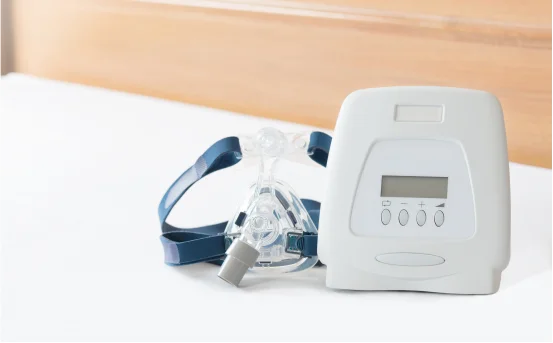
- Utilization for an device called a CPAP (Continuous Positive Airway Pressure)
- Oral appliances
- Surgery in certain instances
Regular follow-ups ensure treatment effectiveness and also symptom management.
Conclusion
Sleep Apnea is a subtle but serious condition which can seriously affect the health of a person and their daily. However, a timely and accurate identification of the sleep disorder is an important approach to restoring restful sleep and enhancing overall health. Through a thorough evaluation of sleep studies and a committed health care team, people are able to identify the source of their sleep problems and discover lasting solutions.
If you or someone close to you suspect that you have sleep apnea issues, don’t put off treatment. Talk to your doctor now and start the journey towards better sleeping and better overall health.