Introduction
Sphincteroplasty surgery is a specialized reconstructive procedure performed to repair a damaged anal sphincter. This surgery is most commonly recommended when the anal sphincter is weakened or torn due to childbirth, trauma, previous surgeries, or chronic conditions like fistulas. Before deciding on sphincteroplasty, accurate diagnosis is essential. A proper diagnostic evaluation helps identify the exact cause of sphincter dysfunction, determine the severity of damage, and plan the right treatment approach.
Understanding the Need for Diagnosis
Sphincteroplasty is not the first line of treatment for fecal incontinence (inability to control bowel movements). Doctors recommend surgery only when conservative methods such as pelvic floor therapy, medications, and lifestyle changes have not been effective. Therefore, before opting for surgery, a comprehensive diagnostic workup is done to:
- Confirm sphincter muscle damage
- Identify the type and extent of the tear
- Rule out other anorectal conditions
- Evaluate pelvic floor function
- Decide if the patient is a suitable candidate for surgery
Accurate diagnosis ensures the best surgical outcomes and helps create a tailored treatment plan.
Common Symptoms That Lead to Diagnosis
Patients are usually sent for evaluation when they experience one or more of the following signs:
- Inability to control gas or stool
- Leakage of stool during daily activities
- Urgency to defecate with little warning
- Frequent accidents or soiling of underwear
- Difficulty sensing a bowel movement
- History of obstetric trauma or anal injury
These symptoms suggest possible anal sphincter dysfunction, prompting doctors to begin detailed diagnostic investigations.
Step-by-Step Diagnosis of Sphincteroplasty Surgery
The diagnosis of anal sphincter injury involves a combination of clinical examination, medical history, and specialized tests. Here is how the process typically works:
- Detailed Medical History Assessment :- The first step involves understanding the patient’s background and symptoms. The doctor may ask:
- When did symptoms begin?
- Did symptoms follow childbirth or injury?
- Are there associated conditions like constipation or diarrhea?
- Have there been previous surgeries in the anal region?
- How frequent and severe is the incontinence?
This stage helps the surgeon understand the underlying cause and patterns of bowel dysfunction.
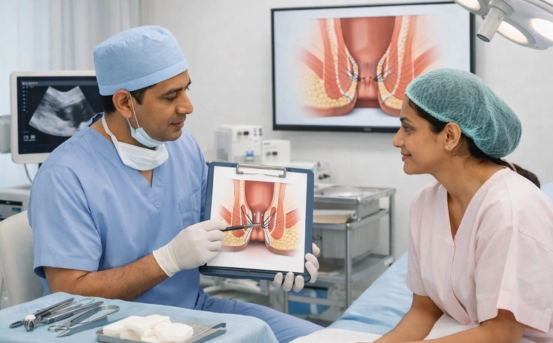
- Physical and Digital Rectal Examination :- A digital rectal exam (DRE) is an important diagnostic tool. The surgeon gently inserts a gloved, lubricated finger into the rectum to assess:
- Sphincter muscle tone
- Strength of voluntary contraction
- Presence of scar tissue
- Abnormalities like fissures, fistulas, or masses
This simple examination provides initial clues about the condition of the anal sphincter.
- Anal Manometry :- Anal manometry is one of the most important tests in diagnosing sphincter dysfunction. It measures:
- Resting pressure of the internal sphincter
- Squeeze pressure of the external sphincter
- Coordination of pelvic floor muscles
- Rectal sensation levels
If pressures are abnormally low or coordination is poor, it indicates muscle weakness or nerve damage. Manometry helps determine whether surgery or pelvic floor therapy is required.
- Endoanal Ultrasound (EAUS) :- Endoanal ultrasound is the gold-standard imaging test for sphincter injuries. A small ultrasound probe is inserted into the anal canal to produce detailed images of the sphincter muscles.
This test reveals:
- Size and location of muscle tears
- Depth and severity of the defect
- Structural abnormalities
- Scarred or missing muscle segments
Based on these findings, surgeons can decide the best surgical repair technique.
- MRI (Magnetic Resonance Imaging) :- Pelvic MRI may be used when ultrasound results are unclear or when deeper pelvic structures need evaluation. MRI provides high-resolution images of:
- Pelvic floor muscles
- Nerve pathways
- Complex injuries
- Previous surgical scar tissue
It is especially useful in patients with recurrent sphincter injuries or long-standing incontinence.
- Electromyography (EMG) :- In some cases, nerve damage may contribute to sphincter weakness. Electromyography helps evaluate:
- Nerve function in the anal sphincter
- Signal transmission to the pelvic floor muscles
- Presence of neuropathy
If nerves are significantly damaged, surgery may need to be combined with physiotherapy or other modalities.
- Bowel Diary and Symptom Scoring :- Doctors often ask patients to maintain a record of:
- Bowel movement frequency
- Leakage episodes
- Diet and triggers
- Medication use
Standard scoring tools like the Wexner Incontinence Score help assess the severity of symptoms and track improvements after surgery.
Why Diagnosis Matters Before Sphincteroplasty
A complete diagnostic evaluation ensures:
- Personalized Treatment Planning :- Every patient has unique anatomical details. Diagnosis helps the surgeon plan whether an overlapping sphincteroplasty, direct repair, or combined pelvic floor procedure is needed.
- Accurate Identification of the Defect :- Knowing the exact size and location of the tear increases the chances of successful surgery.
- Predicting Surgical Outcomes :- Test results help determine who is likely to benefit from sphincteroplasty and who may need alternative treatments.
- Avoiding Unnecessary Surgery :- Sometimes symptoms are caused by nerve damage rather than muscle tear. In such cases, surgery might not help. Diagnosis prevents incorrect treatment decisions.
Preparing for Diagnostic Tests
Patients should follow a few steps before undergoing evaluation:
- Inform the doctor about all medical conditions and medications
- Avoid certain foods before tests (as instructed)
- Empty the bowels before manometry or ultrasound
- Wear comfortable clothing
- Bring previous medical records, especially childbirth reports
Good preparation helps ensure clear, reliable results.
What Happens After Diagnosis?
Once the diagnostic tests are complete, the doctor will review the findings and recommend the most suitable treatment approach. This may include:
- Sphincteroplasty surgery if the muscle tear is confirmed
- Pelvic floor physiotherapy to strengthen muscles
- Biofeedback therapy to improve coordination
- Medications to regulate stool consistency
- Lifestyle and dietary modifications
If surgery is advised, the diagnostic results also help determine the technique and expected recovery timeline.
Conclusion
Diagnosis of sphincter damage is a crucial step in planning sphincteroplasty surgery. With advanced tools like manometry, endoanal ultrasound, and MRI, doctors can accurately identify the nature of the injury and recommend the best treatment path. Proper diagnosis not only increases the success rate of surgery but also ensures long-term improvement in bowel control and quality of life.