





Symptoms
1. What is an Electrophysiology Test
An Electrophysiology Test, also known as an EP study, is a diagnostic procedure that examines the heart’s electrical system. Thin, flexible wires called catheters are guided to the heart to measure electrical activity. This test helps doctors identify irregular heart rhythms, pinpoint their origin, and understand how electrical signals travel through the heart muscle.
2. Why is an Electrophysiology Test Done
The Electrophysiology Test is done to diagnose unexplained heart rhythm disorders such as tachycardia or bradycardia. It helps determine the cause of palpitations, fainting episodes, or dizziness. Doctors also use this test to evaluate the effectiveness of medications, guide ablation therapy, or assess the risk of sudden cardiac arrest in certain patients.
3. How is the Electrophysiology Test Performed
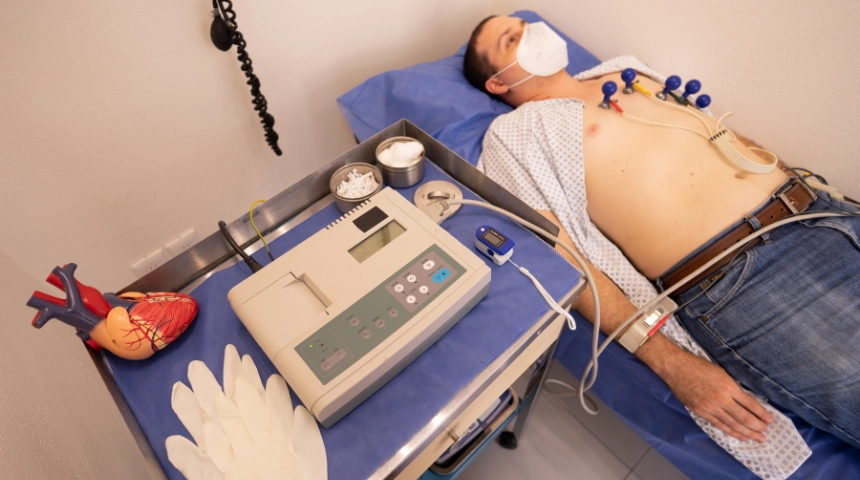
During an Electrophysiology Test, a cardiologist inserts catheters through blood vessels in the groin or arm and guides them to the heart. These catheters record electrical signals and stimulate the heart to assess rhythm behavior. The procedure is usually performed under local anesthesia with monitoring, ensuring patient comfort and safety throughout the test.
4. Who Should Get an Electrophysiology Test
An Electrophysiology Test is recommended for individuals experiencing unexplained palpitations, fainting, or irregular heartbeat. Patients with known arrhythmias, prior heart attacks, or implanted cardiac devices may also require this test. It is especially useful when routine ECGs or Holter monitoring do not clearly identify rhythm abnormalities.
Get the MediSuggest App – Healthcare at Your Fingertips
Stay connected to your care journey anytime, anywhere with our easy-to-use mobile app.

Key Features:
- Book appointments instantly for surgeries, diagnostics, and consultations.
- Find verified hospitals, doctors, and labs near you.
- Get real-time notifications, health tips, and appointment alerts.
- Securely access and manage all your medical records.
- Track inquiries and stay connected with 24/7 support.
Download Now



Free OPD Consultation

Free Pick & Drop Services

Cashless Mediclaim Assistance

Free Medical Counseling

30,000+ Verified Specialists

NABH Accredited Hospitals

NABL Accredited Labs

24/7 Care Support

Second Opinion from Experts

Transparent Cost Estimates
5. Why Electrophysiology Test is Needed
The Electrophysiology Test is needed to accurately diagnose complex heart rhythm disorders that cannot be detected through routine tests. It provides precise information about abnormal electrical pathways, helping doctors decide the most effective treatment, including medications, ablation procedures, or device implantation.
6. How the Electrophysiology Test Works
The Electrophysiology Test works by recording the heart’s internal electrical activity using specialized catheters. By stimulating different areas of the heart, doctors observe rhythm responses in real time. This detailed mapping helps locate the source of arrhythmias and guides personalized cardiac treatment decisions.
7. For Whom Electrophysiology Test is Suitable
The Electrophysiology Test is suitable for patients with recurrent palpitations, unexplained fainting, or suspected arrhythmias. It is also recommended for individuals with inherited rhythm disorders, heart failure, or those being evaluated for pacemaker, defibrillator, or ablation therapy.
8. Which Symptoms or Conditions Require Electrophysiology Test Monitoring
Symptoms such as rapid heartbeat, skipped beats, dizziness, chest discomfort, or fainting may require Electrophysiology Test monitoring. Conditions like atrial fibrillation, ventricular tachycardia, Wolff-Parkinson-White syndrome, and sudden cardiac arrest risk assessment often rely on this test for accurate diagnosis.
Need for the Electrophysiology Test
The Electrophysiology Test helps identify serious heart rhythm abnormalities early, enabling timely treatment and reducing the risk of complications.
1. Unexplained Palpitations :- When routine ECGs fail to identify the cause of frequent palpitations, the Electrophysiology Test provides detailed rhythm analysis, helping doctors understand abnormal electrical signals and their origin within the heart.
2. Recurrent Fainting Episodes :- For patients experiencing unexplained syncope, this test evaluates whether abnormal heart rhythms are responsible, ensuring accurate diagnosis and preventing future life-threatening events.
3. Assessment Before Ablation Therapy :- The Electrophysiology Test precisely locates abnormal electrical pathways, making it essential before catheter ablation procedures to ensure targeted and effective treatment.
4. Evaluation of Sudden Cardiac Risk :- In high-risk patients, this test helps assess vulnerability to dangerous arrhythmias, guiding preventive strategies such as implantable defibrillators.
5. Monitoring Treatment Effectiveness :- The Electrophysiology Test helps doctors evaluate how well medications or previous procedures control abnormal heart rhythms, enabling optimized treatment planning.
Why Choose mediSuggest?
Trusted, accurate imaging with expert diagnostics and personalized care every step of the way.
1. Certified Radiologists with Parathyroid Expertise :- Our partners with top radiologists experienced in neck and gland imaging to ensure precise interpretation of parathyroid ultrasound results for optimal diagnosis and treatment planning.
2. Advanced High-Resolution Imaging :- Our labs use high-frequency ultrasound machines offering crisp and clear visuals, allowing for early detection of small abnormalities in parathyroid tissues that might otherwise go unnoticed.
3. Seamless Booking and Hassle-Free Experience :- Easily book appointments through our user-friendly platform. Enjoy minimal wait times and smooth, coordinated care with transparent test costs and real-time support.
4. Radiation-Free and Non-Invasive Test :- Since the Parathyroid Ultrasound Test is completely non-invasive and uses no radiation, it is safe for everyone, including elderly and pregnant patients requiring calcium-related evaluations.
5. Personalized Reports and Fast Turnaround :- Receive easy-to-understand reports with medical clarity and quick turnaround times, so your doctor can make timely treatment decisions based on accurate and prompt findings.
Advantages of Choosing mediSuggest
Trusted diagnostic care with personalized assistance, nationwide access, and doctor-approved lab partners for safe, convenient, and affordable Biopsy Test services.
1. Trusted Diagnostic Network :- We connect you to NABL-accredited labs and top hospitals across India, ensuring the highest quality standards in diagnostic testing, medical accuracy, and patient safety through reliable partnerships.
2. Experienced Support Team :- From booking to results, our expert team provides friendly guidance, test preparation tips, appointment reminders, and helps address any questions or concerns about your biopsy procedure at every steps.
3. Transparent Pricing :- No hidden charges—just clear pricing for your biopsy test. Access special discounts, bundled packages, and upfront cost information through our partnerships with trusted diagnostic labs.
4. Timely Reporting :- We ensure that biopsy test reports are delivered within 24–48 hours in most cases, so you and your doctor can make timely, informed decisions about diagnosis and treatment planning.
5. Multiple Locations Across India :- Whether you live in a metro city or a smaller town, we help you book your biopsy test at trusted diagnostic centers near you through our extensive nationwide network.
6. Doctor-Verified Labs :- All our partnered diagnostic labs undergo strict review by certified physicians, ensuring each biopsy is conducted with clinical accuracy, patient safety, and adherence to national medical guidelines.
Frequently Asked Questions
How should I prepare for the Electrophysiology Test?
Patients are usually advised to avoid eating for several hours before the Electrophysiology Test. Your doctor may adjust certain medications prior to the procedure for accurate results.
Are there risks associated with the Electrophysiology Test?
The Electrophysiology Test is considered safe when performed by experienced specialists. Minor risks include bleeding or bruising at the catheter site, while serious complications are rare.
Is hospitalization required for an Electrophysiology Test?
Most patients may require short-term hospital observation after the Electrophysiology Test. In many cases, patients can return home the same day unless additional treatment is performed.
Is the Electrophysiology Test painful?
The Electrophysiology Test is generally not painful. Local anesthesia is used at the catheter insertion site. Patients may feel mild pressure or brief palpitations during the procedure, but discomfort is usually minimal and well managed.
Inspiring Patient Success Stories

Efficient and Patient-Focused Cardiac Evaluation
The entire experience was comfortable and well-managed. mediSuggest made a complex heart test feel simple and organized.

Timely Diagnosis With Compassionate Assistance
Thanks to mediSuggest, the test was done without stress. The team guided me at every step and followed up until results were shared.
Smooth Testing Process With Excellent Coordination
The staff was attentive and supportive throughout the procedure. mediSuggest ensured minimal waiting time and clear communication.
Professional Diagnostic Support With Expert Care
mediSuggest coordinated the test with experienced specialists. The detailed evaluation helped my doctor plan the right treatment.
Well-Organized and Reassuring Diagnostic Experience
From preparation to results, mediSuggest managed everything efficiently. The cardiology team made me feel calm and confident.
Clear Guidance and Accurate Heart Assessment
The test process was explained clearly and conducted smoothly. mediSuggest ensured timely appointments and professional cardiac care.