Interstitial Cystitis (IC), also known as painful bladder syndrome, is a chronic condition causing bladder pressure, bladder pain, and sometimes pelvic pain. It can significantly affect quality of life, making everyday tasks, including urination and sexual activity, uncomfortable or distressing. While there is no one-size-fits-all cure, various treatments can help manage the symptoms effectively.
Understanding Treatment for Interstitial Cystitis
Before diving into treatment, it’s crucial to understand what Interstitial Cystitis is. Unlike common urinary tract infections, IC is not caused by bacteria, which means antibiotics aren’t typically effective. The symptoms often include:
- Urgency to urinate
- Frequent urination (day and night)
- Bladder pain or pressure that worsens as the bladder fills
- Pain during intercourse
- Relief after urination, though temporary
Because IC presents similarly to other urological conditions, diagnosis is often delayed, and many patients go years without a proper treatment plan.
The Importance of a Personalized Treatment Plan
IC affects individuals differently, so a personalized approach is essential. Some people experience mild discomfort, while others deal with debilitating pain. Factors such as symptom severity, triggers, and lifestyle influence the treatment plan. Treatment is often a process of trial and error to find the right combination that works for each individual.
First-Line Treatments: Lifestyle and Behavioral Therapies
- Dietary Modifications :- Many patients find that certain foods and beverages trigger flare-ups. These commonly include:
- Caffeinated drinks (coffee, soda, tea)
- Alcohol
- Citrus fruits
- Spicy foods
- Artificial sweeteners
An elimination diet can help identify specific triggers. Once identified, avoiding those items often leads to symptom relief.
- Bladder Training :- Bladder training helps increase the time between urinations. It involves gradually increasing the interval between bathroom visits and resisting the initial urge to urinate. Over time, this may help reduce urinary frequency
- Stress Management :- Stress is a known trigger for many IC patients. Incorporating relaxation techniques like deep breathing, meditation, and gentle yoga can significantly reduce flare-ups. Cognitive Behavioral Therapy (CBT) can also be effective in managing the emotional aspects of living with chronic pain.
Second-Line Treatments: Physical and Oral Therapies
- Pelvic Floor Physical Therapy :- Many people with IC have tight pelvic floor muscles. Pelvic floor physical therapy helps relax these muscles and reduce pain. A trained physical therapist can guide internal and external exercises and manual techniques tailored to IC patients.
- Oral Medications :- Doctors may prescribe medications to manage symptoms. Common options include:
- Pentosan Polysulfate Sodium (Elmiron) :- The only FDA-approved oral medication specifically for IC. It is believed to restore the bladder’s protective lining.
- Antihistamines :- Like hydroxyzine, which may help reduce inflammation and urgency.
- Tricyclic Antidepressants :- Such as amitriptyline, which help relieve pain and relax the bladder.
- Pain relievers :- For managing moderate to severe discomfort.
It’s essential to follow the prescribed regimen and report any side effects or lack of improvement.
Third-Line Treatments: Bladder Instillations
Bladder instillation therapy involves inserting a liquid medication directly into the bladder through a catheter. This treatment is typically done in a clinical setting, although some patients can learn to perform it at home.
Common instillation agents include:
- Dimethyl Sulfoxide (DMSO) :- Reduces inflammation and pain.
- Heparin :- May help rebuild the bladder lining.
- Lidocaine :- Provides temporary pain relief.
- Combination Cocktails :- Often a mix of the above for enhanced effect.
These treatments are typically administered weekly for several weeks and may be followed by maintenance treatments.
Fourth-Line Treatments: Nerve Stimulation
When conservative treatments don’t provide relief, nerve stimulation therapies may be recommended.
- Transcutaneous Electrical Nerve Stimulation (TENS) :- This non-invasive therapy uses low-voltage electrical currents delivered through the skin to reduce pain and improve blood flow to the bladder area. It can be done at home or in a medical facility.
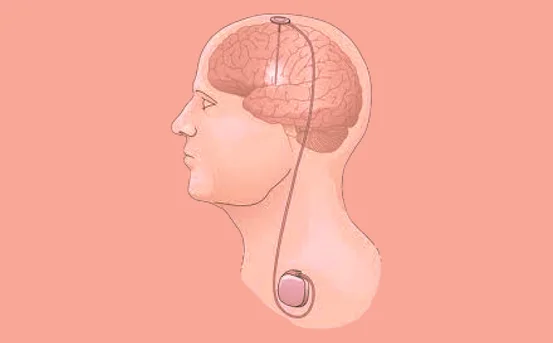
- Sacral Neuromodulation (SNS) :- For more severe cases, an implantable device similar to a pacemaker may be placed to stimulate the sacral nerves that control bladder function. Known as Inter Stim therapy, this approach can help regulate bladder signals and reduce urgency and frequency.
Fifth-Line Treatments: Invasive and Surgical Options
- Cystoscopy with Hydrodistension :- This procedure involves stretching the bladder under anesthesia to increase capacity and reduce urgency. While not a cure, some patients experience temporary relief lasting weeks or months.
- Botox Injections :- Botulinum toxin (Botox) can be injected into the bladder muscle to reduce overactivity. This treatment may provide several months of symptom relief but can lead to urinary retention, requiring catheterization in some cases.
- Surgical Intervention :- Surgery is considered a last resort and is rarely performed. Surgical options include bladder augmentation, urinary diversion, or even cystectomy (bladder removal). These procedures carry significant risks and are reserved for the most severe, treatment-resistant cases.
Complementary and Alternative Therapies
Some patients explore alternative therapies to supplement conventional treatments. These may include:
- Acupuncture
- Herbal supplements (e.g., quercetin, aloe vera)
- Biofeedback therapy
- Homeopathy and Ayurveda (with guidance from a qualified practitioner)
Though evidence is limited, some patients report positive outcomes with holistic approaches.
Living with Interstitial Cystitis
Managing IC is not just about treating the bladder. It’s about treating the whole person. Support groups, educational resources, and consistent communication with a healthcare provider play a vital role. Keeping a symptom diary, staying hydrated, and maintaining a regular sleep schedule can also help minimize flares.
A multi-modal approach combining diet, physical therapy, medications, and lifestyle changes often yields the best results. What works for one person may not work for another, so patience and persistence are key.
Conclusion
Interstitial Cystitis is a complex and often misunderstood condition, but it can be managed with a thoughtful, layered treatment strategy. Whether you are newly diagnosed or have been struggling for years, there are effective options available. From dietary changes and medications to advanced procedures like nerve stimulation and bladder instillations, finding the right treatment mix is a journey worth taking guided by medical professionals and supported by lifestyle changes.