Introduction
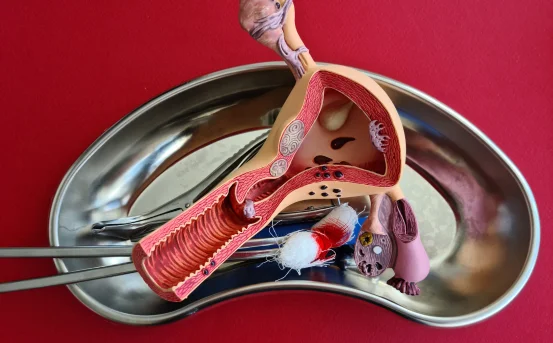
Hysterectomy is a surgical procedure performed to remove the uterus. It is commonly recommended for conditions such as uterine fibroids, heavy or abnormal bleeding, endometriosis, uterine prolapse, chronic pelvic pain, or cancers affecting the uterus, cervix, or ovaries. After a hysterectomy, a woman no longer has menstrual periods and cannot become pregnant.
The procedure can be performed using different surgical techniques depending on the patient’s condition, age, medical history, and the reason for surgery. Understanding the step-by-step process of hysterectomy helps patients prepare mentally and physically for the surgery and recovery.
Procedure for Hysterectomy Surgery
- Preoperative Preparation :- Before the surgery, the doctor performs a thorough medical evaluation. This includes a pelvic examination, blood tests, imaging tests such as ultrasound or MRI, and sometimes a biopsy if cancer is suspected. The patient’s medical history, medications, and any existing health conditions are carefully reviewed. Patients are usually advised to stop certain medications, such as blood thinners, a few days before surgery. Fasting for 6–8 hours prior to the procedure is typically required. The doctor may also recommend bowel preparation or antibiotics to reduce the risk of infection. Counseling is provided to explain the procedure, recovery time, and possible effects, including hormonal changes if the ovaries are removed.
- Types of Hysterectomy :- The extent of surgery depends on the condition being treated:
- Total hysterectomy – Removal of the uterus and cervix
- Partial (subtotal) hysterectomy – Removal of the uterus while leaving the cervix intact
- Radical hysterectomy – Removal of the uterus, cervix, surrounding tissues, and part of the vagina, usually for cancer
- In some cases, the ovaries and fallopian tubes may also be removed (salpingo-oophorectomy)
- Anesthesia :- Hysterectomy is performed under general anesthesia, where the patient is completely asleep, or sometimes under spinal or epidural anesthesia depending on the surgical approach. The anesthesiologist monitors vital signs throughout the procedure to ensure safety and comfort.
- Surgical Approaches :- There are three main ways a hysterectomy can be performed:
- Abdominal Hysterectomy :- In this traditional method, the surgeon makes an incision in the lower abdomen, either horizontally (bikini line) or vertically. The uterus is carefully separated from surrounding tissues, blood vessels are sealed, and the uterus is removed through the abdominal incision.
This approach is usually recommended when:
- The uterus is very large
- Cancer is suspected
- There are extensive fibroids or scar tissue
Although effective, abdominal hysterectomy has a longer recovery time compared to minimally invasive methods.
- Vaginal Hysterectomy :- In this technique, the uterus is removed through the vagina without any external incision. The surgeon detaches the uterus from internal structures and removes it through the vaginal canal.
This method is often used for:
- Uterine prolapse
- Smaller uterus size
- Non-cancerous conditions
Vaginal hysterectomy usually results in less pain, minimal scarring, and faster recovery.
- Laparoscopic or Robotic Hysterectomy :- This is a minimally invasive procedure. Small incisions are made in the abdomen, and a thin camera (laparoscope) along with surgical instruments is inserted. The uterus is cut into smaller pieces and removed either through the vagina or small abdominal cuts.
Robotic-assisted surgery provides enhanced precision and control. Benefits of this method include:
- Less pain
- Minimal blood loss
- Smaller scars
- Faster recovery
Removal and Closure
During the procedure, the surgeon carefully controls bleeding by sealing blood vessels. If the cervix is removed, the top of the vagina is closed with stitches. After the uterus (and ovaries, if required) is removed, the incisions are closed using sutures or surgical staples. A sterile dressing is applied. The surgery typically takes 1 to 3 hours, depending on the complexity and surgical method used.
Postoperative Care
After surgery, the patient is moved to a recovery area for monitoring. Hospital stay depends on the type of hysterectomy:
- Laparoscopic or vaginal: 1–2 days or sometimes same-day discharge
- Abdominal: 2–4 days
Pain medications, antibiotics, and fluids are given as needed. Patients are encouraged to walk early to prevent blood clots. A urinary catheter may be placed temporarily and removed within a day.
Recovery Timeline
Recovery time varies by surgical method:
- Vaginal or laparoscopic hysterectomy: 2–4 weeks
- Abdominal hysterectomy: 6–8 weeks
During recovery, patients should avoid heavy lifting, strenuous exercise, and sexual intercourse for several weeks. Light activities and short walks are encouraged to promote healing. If the ovaries are removed, symptoms of menopause such as hot flashes or mood changes may occur, and hormone therapy may be discussed.
Conclusion
Hysterectomy is a commonly performed and effective surgical procedure used to treat various gynecological conditions when other treatments are not successful. With advances in surgical techniques, many hysterectomies can now be performed using minimally invasive methods that reduce pain and recovery time. Proper preoperative evaluation, an experienced surgeon, and careful postoperative care are essential for a smooth recovery and successful outcome. Understanding the procedure helps patients feel more confident and prepared as they move toward improved health and quality of life.