





Introduction
A liver transplant is a life-saving surgical procedure performed to replace a diseased or failing liver with a healthy liver from a donor. It is usually recommended for patients with end-stage liver disease, severe liver damage, or acute liver failure when other treatments are no longer effective. The liver plays a vital role in digestion, detoxification, metabolism, and blood clotting, so replacing a damaged liver can significantly improve survival and quality of life. Understanding the step-by-step process involved in liver transplant surgery helps patients and their families prepare for this complex but highly successful procedure.
Process Involved in Liver Transplant Surgery
- Pre-Transplant Evaluation :- The process begins with a detailed medical evaluation to determine whether the patient is a suitable candidate for a liver transplant. This assessment includes blood tests, imaging studies such as ultrasound, CT scan, or MRI, and tests to evaluate heart, lung, and kidney function. Doctors also assess the severity of liver disease using scoring systems like the MELD score, which helps prioritize patients based on urgency. In addition to physical health, psychological and social evaluations are conducted to ensure the patient can manage long-term medications and follow-up care. Once approved, the patient is placed on a transplant waiting list if a deceased donor liver is required. In some cases, a living donor—usually a healthy relative—may donate a portion of their liver.
- Donor Selection and Organ Matching :- When a donor liver becomes available, doctors match it with the recipient based on several factors such as blood group compatibility, body size, medical urgency, and overall health condition. The timing is critical because the liver must be transplanted within a few hours after removal from the donor. In living donor transplantation, a portion of the healthy donor’s liver is surgically removed. The liver has the unique ability to regenerate, allowing both the donor’s and recipient’s liver segments to grow to normal size over time.
- Preparation Before Surgery :- Once a suitable liver is available, the patient is immediately admitted to the hospital. Preoperative preparation includes final blood tests, physical examination, and stabilization of vital signs. The patient is asked to fast, and intravenous lines are placed to administer fluids and medications. The surgical team, including transplant surgeons, anesthesiologists, and critical care specialists, prepares for the procedure, which typically takes several hours.
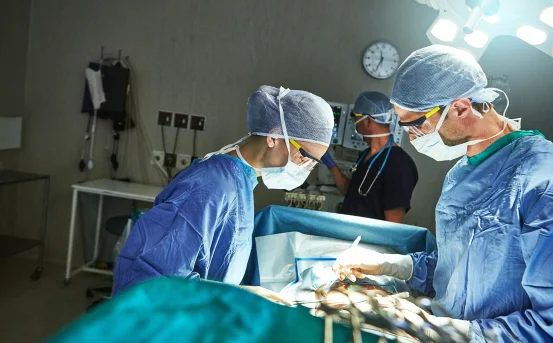
- Anesthesia and Surgical Procedure :- Liver transplant surgery is performed under general anesthesia, meaning the patient remains unconscious and pain-free throughout the operation. The surgeon makes a large incision in the upper abdomen to access the liver. The diseased liver is carefully separated from surrounding tissues, blood vessels, and bile ducts. Major blood vessels supplying and draining the liver are clamped and divided. Once the damaged liver is removed, the healthy donor liver is placed in the same position. The surgeon then connects the donor liver to the recipient’s blood vessels to restore blood flow. The bile duct is also connected to allow bile drainage. Once circulation begins, the new liver starts functioning immediately in most cases. The entire surgical process usually takes 6 to 12 hours, depending on the complexity of the case.
- Immediate Postoperative Care :- After surgery, the patient is shifted to the intensive care unit (ICU) for close monitoring. Doctors observe vital signs, liver function, blood clotting levels, and signs of bleeding or infection. A ventilator may be used temporarily to support breathing. Pain management, intravenous fluids, and medications are given to stabilize the patient. Most patients stay in the ICU for a few days before being moved to a regular hospital room. The total hospital stay typically ranges from 1 to 3 weeks, depending on recovery.
- Immunosuppressive Therapy :- Since the transplanted liver comes from another person, the body’s immune system may try to reject it. To prevent this, patients must take immunosuppressive medications for life. These drugs reduce immune activity and help the body accept the new liver. Regular monitoring is essential because these medications can have side effects and require dose adjustments.
- Recovery and Rehabilitation :- Recovery continues after discharge from the hospital. Patients need regular follow-up visits, blood tests, and imaging to monitor liver function and overall health. During the first few months, patients are advised to avoid heavy lifting, maintain a healthy diet, and prevent infections. Most people gradually return to normal daily activities within 3 to 6 months. With proper care, the transplanted liver can function well for many years.
Conclusion
The process involved in liver transplant surgery is complex but well-organized, beginning with careful evaluation and donor matching, followed by a highly specialized surgical procedure and intensive postoperative care. Advances in surgical techniques, organ preservation, and immunosuppressive therapy have significantly improved transplant success rates. With timely treatment, proper medical supervision, and lifelong follow-up, liver transplantation offers patients a new chance at life, improved health, and long-term survival.



