Introduction
Breathing freely through the nose is something most of us take for granted. However, for people with a deviated nasal septum where the thin wall between the nasal passages is displaced this simple act becomes difficult. Chronic nasal congestion, sinus infections, and sleep issues can result from a severely deviated septum. Septoplasty is a surgical procedure designed to correct this issue. It straightens the nasal septum, improving airflow and overall quality of life.
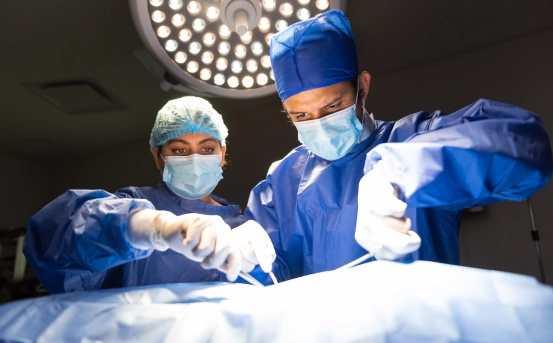
Let’s take a closer look at how septoplasty surgery procedure is done, what steps are involved, and what patients can expect during the procedure.
Septoplasty Surgery Procedure
- Preoperative Evaluation and Planning :- Before the surgery, your ENT specialist will conduct a full nasal examination using nasal endoscopy or imaging (like CT scans) to assess the severity of septal deviation. Based on this evaluation, the surgical plan is made. You may be asked to stop certain medications such as blood thinners, and any ongoing sinus infections will typically be treated before surgery to reduce risks. This preoperative assessment is essential to tailor the procedure for the patient’s anatomy and symptoms.
- Anesthesia Administration :- Septoplasty can be performed under either local anesthesia with sedation or general anesthesia, depending on the complexity of the deviation and patient preference. In most cases, general anesthesia is chosen to ensure complete comfort throughout the procedure. Once the anesthesia takes effect, the patient feels no pain and remains unaware during surgery.
- Incision Inside the Nose :- Unlike cosmetic nasal surgeries, septoplasty doesn’t involve external incisions. A small incision is made on one side of the nasal lining inside the nostril. Through this incision, the surgeon lifts the mucosal lining (the soft tissue covering the septum) to expose the underlying bone and cartilage. This internal approach ensures no visible scarring and allows direct access to the deviated septum.
- Correction of Deviated Septum :- The surgeon trims, repositions, or removes portions of the cartilage or bone that are causing the obstruction. The goal is to straighten the septum and open the nasal airway without compromising structural support. Any deviated portions are carefully reshaped or removed, and in some cases, fragments of cartilage are repositioned to ensure stability and symmetry.
- Stabilizing the Septum :- Once the septum is straightened, the mucosal flaps are repositioned. In many cases, soft internal splints are placed on either side of the septum to keep it in position and reduce the risk of postoperative shifting or bleeding. These splints help with healing and are typically removed within 5–7 days after the surgery.
- Suturing the Incision :- The internal incision is then sutured using absorbable stitches. Since the entire procedure is done through the nostrils, there are no visible stitches on the face. The suturing is usually minimal, and healing of the incision typically occurs quickly. This ensures a clean and smooth internal closure, allowing proper healing.
- Postoperative Recovery in Hospital :- Most patients are observed for a few hours after surgery and then discharged on the same day. In some cases, an overnight stay may be required if the surgery was extensive or if the patient has other medical conditions. You’ll receive instructions on how to care for your nose and what to avoid in the initial recovery period.
- Recovery at Home :- During the first few days after surgery, patients may experience nasal congestion, mild discomfort, and some bleeding. Pain is usually manageable with prescribed medications. It’s important to avoid blowing the nose, bending forward, or lifting heavy items during the early recovery phase. Using saline sprays, keeping the head elevated, and following up with your surgeon are key parts of recovery.
- Follow-Up and Splint Removal :- Typically, a follow-up appointment is scheduled 5 to 7 days post-surgery to remove the internal splints and check healing progress. Any residual swelling or crusting inside the nose may also be cleaned at this stage. Most patients notice a significant improvement in breathing once the swelling subsides and the splints are removed.
- Long-Term Outcome :- It can take several weeks to a few months for the nose to fully heal internally. Once healing is complete, patients often report significant relief from nasal obstruction, fewer sinus infections, improved sleep, and better breathing. Septoplasty doesn’t change the shape of the nose externally, but it greatly improves internal airflow and quality of life.
Conclusion
Septoplasty is a highly effective and minimally invasive surgical procedure for correcting a deviated nasal septum. By improving airflow, it can relieve chronic congestion, sinus issues, and sleep problems. Understanding the procedure helps patients prepare and feel confident about their care journey. With minimal downtime, internal healing, and long-lasting benefits, septoplasty can dramatically enhance daily comfort and breathing.