

















Ventriculoperitoneal Shunt Surgery Recovery Guide

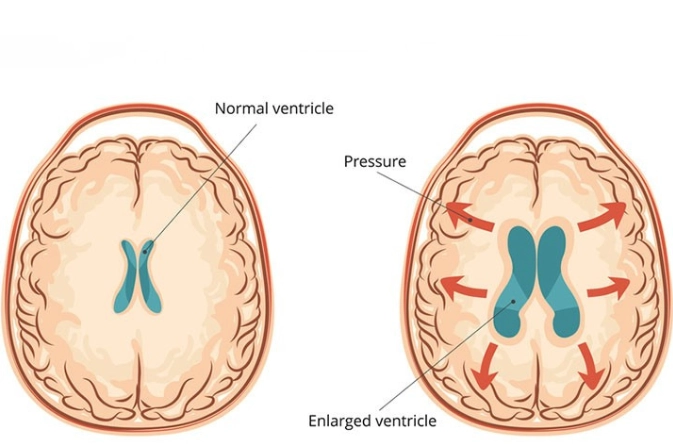
Ventriculoperitoneal (VP) shunt surgery is a life-saving procedure designed to manage hydrocephalus by draining excess cerebrospinal fluid (CSF) from the brain to the abdomen. It ensures reduced pressure, improved neurological function, and long-term symptom control.

  1. Reliable fluid drainage restoring brain balance

  2. Minimally invasive and well-controlled procedure

  3. Reduces severe hydrocephalus-related complications

YouTube video player

Our Patient's Says Excellent

Rated 4.9 / 5 based on 4818 reviews

Understand Your Symptoms and Needs

Enlarged head in infantsPersistent severe headachesNausea and projectile vomitingBlurred or double visionLoss of bladder control

What is Ventriculoperitoneal Shunt Surgery?

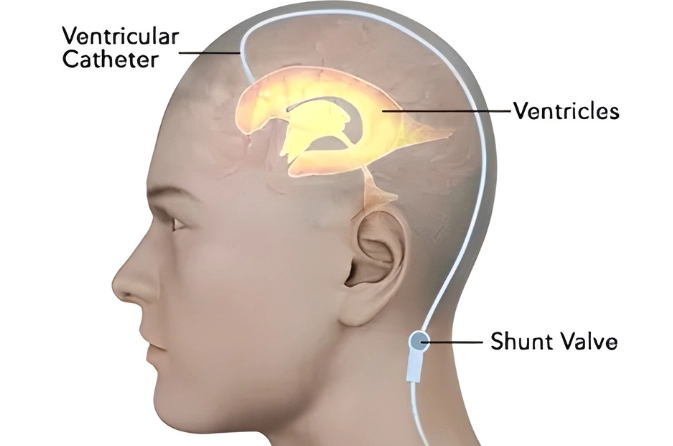
Ventriculoperitoneal shunt surgery is a neurosurgical procedure used to relieve pressure on the brain caused by hydrocephalus or excessive cerebrospinal fluid buildup. A thin catheter system is implanted to divert fluid from the brain’s ventricles to the peritoneal cavity. This helps normalize intracranial pressure, reduce symptoms, and prevent permanent neurological damage.

Types of Ventriculoperitoneal Shunt Surgery

VP shunts come in several types, including programmable shunts, fixed-pressure shunts, and anti-siphon shunt systems. Programmable shunts allow surgeons to adjust pressure settings, while fixed-pressure shunts maintain a predetermined drainage level. Some systems include valves that prevent over-drainage. Each type is selected based on the patient’s hydrocephalus severity and medical needs.

Symptoms of Ventriculoperitoneal Shunt Surgery

Patients who require VP shunt surgery may experience chronic headaches, vomiting, blurred vision, gait instability, memory issues, and difficulty concentrating. Infants may show bulging fontanelles or rapid head growth. These symptoms arise from elevated intracranial pressure and require rapid evaluation to prevent permanent neurological impairment.

Causes of Ventriculoperitoneal Shunt Surgery

Ventriculoperitoneal shunt surgery is performed to treat conditions that cause excess cerebrospinal fluid buildup in the brain. Common causes include congenital hydrocephalus, brain tumors, infections like meningitis, intracranial hemorrhage, head injury, and complications after brain surgery. In adults, causes may also include normal pressure hydrocephalus or blockage of normal cerebrospinal fluid flow pathways.

Diagnosis for the Ventriculoperitoneal Shunt Surgery

Diagnosis for ventriculoperitoneal shunt surgery focuses on identifying conditions like hydrocephalus causing excess cerebrospinal fluid in the brain. Evaluation includes neurological examination, assessment of symptoms such as headaches or vomiting, and imaging tests like CT or MRI scans to detect ventricular enlargement. Additional tests may include intracranial pressure monitoring and cerebrospinal fluid studies to confirm the need for shunt placement.

Treatment of Ventriculoperitoneal Shunt Surgery

Treatment with ventriculoperitoneal shunt surgery involves surgically placing a shunt system to divert excess cerebrospinal fluid from the brain’s ventricles to the abdominal cavity, where it is absorbed. This relieves intracranial pressure and reduces symptoms of hydrocephalus. Postoperative care includes monitoring for infection, blockage, or malfunction, along with regular follow-ups to ensure proper shunt function.

When to See the Doctor ?

Key signs that indicate the need for immediate medical evaluation include severe symptoms or sudden changes.

Typhoid
Typhoid
Typhoid
Typhoid

1. Severe Headaches

Persistent headaches signalling rising fluid pressure requiring urgent evaluation.

Typhoid

2. Vomiting Episodes

Frequent vomiting indicating abnormal CSF buildup affecting brain pressure.

Typhoid

3. Vision Changes

Sudden blurring or double vision reflecting elevated intracranial pressure.

Typhoid

4. Gait Problems

Difficulty walking caused by impaired brain-body coordination requiring assessment.

Typhoid
Share your query on
WhatsApp now
Or connect with care mitra

Simple Steps to Book an Appointment

Easily schedule your appointments with a quick and seamless booking process for your healthcare needs.

Book Now
  • Step

  • 1

  • Make An Online Appointment

  • Schedule your surgery consultation online effortlessly and connect with top specialists for expert treatment.

  • Step

  • 2

  • Our Partner Call

  • Our partner will call you for confirmation and to guide you through the next steps in your surgery journey.

  • Step

  • 3

  • Hospital Visit

  • Visit the hospital for a detailed consultation with your surgeon and other healthcare providers to finalize your surgery plan.

  • Step

  • 4

  • Get Results

  • Receive timely updates and results after your surgery, helping you track your recovery and health progress.

  • Why Choose medisuggest?

    medisuggest connects you with top surgeons, advanced hospitals, and personalized care pathways.

    Consult with us

    Expert Neurosurgical Network

    Access highly skilled specialists delivering safe, accurate VP shunt outcomes.

    Seamless Appointment Support

    Quick scheduling ensures timely treatment without delays.

    Trusted Hospital Partnerships

    Verified facilities guarantee quality, advanced neurosurgical care.

    Specialized Surgical Options

    Explore a wide range of advanced surgical procedures and treatments, tailored to meet your health needs with expert care.

    Explore More

    Tympanoplasty Surgery

    A supportive postoperative device designed to protect the ear, maintain cleanliness, reduce pain, and help stabilize...

    Dacryocystorhinostomy Surgery

    A Dacryocystorhinostomy assist device is a specialized surgical tool designed to support safe, precise, and effective...

    Cardioversion Therapy

    Cardioversion Therapy safely restores normal heart rhythm in patients with irregular heartbeat using electrical shocks or...

    Percutaneous Nephrolithotomy Surgery

    Percutaneous nephrolithotomy (PCNL) is a minimally invasive surgery used to remove large or complex kidney stones...

    Precise Ventriculoperitoneal Shunt Care

    We ensures confidence by linking patients to leading experts who provide safe VP shunt surgery and complete recovery guidance.

    Need Guidance? We’re Here

    Get expert help at every step from inquiry to consultation to hospital booking. Your care journey, simplified and supported.

    Fill out a form or call us directly to book a free consultation for surgery.
    Our team confirms details and understands your surgical need and location.
    We arrange a consultation with a top specialist at no cost to the patient.
    We coordinate your procedure based on doctor guidance and convenience.
    You’re connected to a verified nearby hospital to proceed with the surgery.

    Free OPD Consultation

    Free Pick & Drop Services

    Cashless Mediclaim Assistance

    Free Medical Counseling

    30,000+ Verified Specialists

    NABH Accredited Hospitals

    NABL Accredited Labs

    24/7 Care Support

    Second Opinion from Experts

    Transparent Cost Estimates

    40k+ VP Shunt Procedures Successfully Performed
    92% Significant Symptom Relief and CSF Pressure Stabilization
    98% Surgical Success & Shunt Functionality Rate

    Modern programmable shunt systems, infection-control protocols, and precision imaging guidance contribute to reliable long-term shunt performance and fewer complications.

    Advantages of Choosing medisuggest

    mediSuggest offers easy access to specialists, transparent assistance, and dependable support for safe, effective procedures.

    Access to Top Neurosurgeons

    Highly experienced neurosurgeons perform VP shunt procedures with precision, ensuring safe outcomes and long-term brain pressure stabilization.

    Advanced Hospital Network

    Partner hospitals use cutting-edge neurosurgical technology, improving accuracy, safety, and postoperative recovery quality for VP shunt patients.

    Faster Appointment Scheduling

    Quick and smooth appointment coordination ensures timely evaluation and surgery, preventing worsening hydrocephalus symptoms.

    Complete Diagnostic Support

    From imaging to follow-up exams, we ensures all diagnostic steps are streamlined for effective VP shunt planning and monitoring.

    Transparent Patient Guidance

    Patients receive clear, step-by-step explanations about the procedure, risks, recovery, and long-term care, improving confidence and preparedness.

    Dedicated Care Assistance

    Support teams provide continuous help before, during, and after surgery, ensuring comfort and stress-free medical navigation.

    Inspiring Patient Success Stories

    Hear from our patients who transformed their lives with expert care and advanced medical solutions.

    View More

    Life-Saving Treatment with Personal Care

    Thanks to mediSuggest, the surgery and recovery process were well managed and stress-free.

    Reviewer

    Kavita Deshpande Ventriculoperitoneal Shunt Surgery

    Compassionate Team and Skilled Surgeons

    The medical staff showed professionalism and empathy, making a difficult situation much easier to handle.

    Reviewer

    Neeraj Sharma Ventriculoperitoneal Shunt Surgery

    Reliable Support from Start to Finish

    From hospital admission to post-surgery follow-ups, mediSuggest ensured seamless coordination and care.

    Reviewer

    Prakash Kulkarni Ventriculoperitoneal Shunt Surgery

    Clear Guidance During a Critical Phase

    Every step was explained clearly, helping our family stay calm and informed throughout the treatment.

    Reviewer

    Anita Rao Ventriculoperitoneal Shunt Surgery

    Ventriculoperitoneal Shunt Surgery

    Every step was explained clearly, helping our family stay calm and informed throughout the treatment.

    Reviewer

    Anita Rao Ventriculoperitoneal Shunt Surgery

    Expert Care at the Right Time

    Expert Care at the Right Time

    Reviewer

    The timely intervention and expert surgical team arranged by MediSuggest made recovery smooth and reassuring. Ventriculoperitoneal Shunt Surgery

    Frequently Asked Questions

    Get clear and concise answers to common questions about treatments, recovery and patient care.

    View More

    What is ventriculoperitoneal shunt surgery?

    Ventriculoperitoneal shunt surgery is a procedure that diverts excess cerebrospinal fluid from the brain’s ventricles to the peritoneal cavity, relieving pressure and treating conditions like hydrocephalus, improving neurological function and reducing symptoms.

    Who needs a VP shunt surgery?

    Patients with hydrocephalus, congenital brain malformations, brain injuries, or tumors causing fluid buildup may require VP shunt surgery. The procedure is recommended when other treatments cannot effectively manage cerebrospinal fluid accumulation.

    How is VP shunt surgery performed?

    The surgeon implants a flexible tube connecting the brain ventricles to the abdomen. A valve regulates fluid flow. The procedure is usually performed under general anesthesia and takes a few hours to complete.

    What are the risks of VP shunt surgery?

    Risks include infection, bleeding, shunt malfunction, blockage, or over-drainage of cerebrospinal fluid. Long-term follow-up is necessary to monitor shunt function and detect complications early for timely management.

    How long is recovery after VP shunt surgery?

    Recovery typically takes 1–2 weeks for minor activities, but full neurological improvement may take months. Regular check-ups are essential to ensure proper shunt function and avoid complications.

    Have questions? Reach out for personalized care and Support!

    Book a Free Consultation

    Please Fill in Your Details and We'll Call You Back!