Introduction
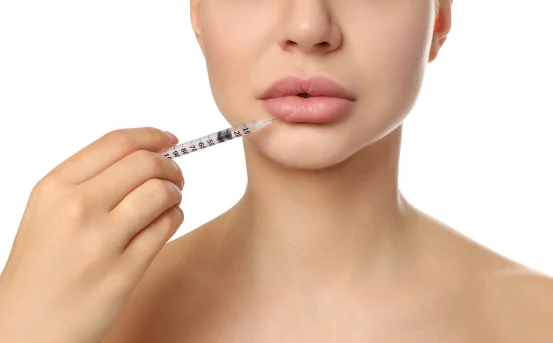
Lip augmentation is a popular cosmetic procedure designed to enhance the size, shape, and fullness of the lips. It can be performed using dermal fillers, fat transfer, or surgical implants to achieve a more balanced and youthful appearance. While the procedure is generally safe and minimally invasive, it is normal for patients to experience certain symptoms during the recovery period.
Understanding the common symptoms after lip augmentation helps patients stay prepared, manage their recovery properly, and recognize when to seek medical attention. Most post-procedure symptoms are temporary and improve within a few days to weeks.
Symptoms After Lip Augmentation Surgery
- Swelling of the Lips :- Swelling is the most common symptom after lip augmentation. Since the procedure involves injections or surgical manipulation, the body responds with mild inflammation. Patients may notice:
- Lips appearing larger than expected initially
- Tightness or fullness around the treated area
- Swelling that peaks within the first 24 to 48 hours
This symptom is temporary and usually subsides within a few days. Applying cold compresses and keeping the head elevated can help reduce swelling faster.
- Mild Pain or Tenderness :- Some degree of discomfort or tenderness is normal after the procedure. The lips are sensitive, and minor irritation may occur due to injections or tissue adjustment. Patients may experience:
- Mild soreness when touching or moving the lips
- Sensitivity while eating, drinking, or speaking
- A slight burning or stinging sensation
Pain is usually mild and manageable with prescribed or over-the-counter pain relief. It typically improves within a few days.
- Bruising Around the Lips :- Bruising can occur if small blood vessels are affected during injections. Symptoms include:
- Blue or purple discoloration near the injection sites
- Mild tenderness in bruised areas
- Gradual fading of the bruise over 5 to 10 days
Bruising is more common in people with sensitive skin or those taking blood-thinning medications. Avoiding strenuous activity immediately after the procedure can help minimize this symptom.
- Redness and Warmth :- Temporary redness and slight warmth around the lips may be noticed after augmentation. These symptoms are part of the body’s natural healing response and usually resolve within a day or two. Persistent redness or increasing warmth, however, may indicate irritation or infection and should be evaluated by a doctor.
- Lumps or Firmness :- After filler injections or fat transfer, patients may feel small lumps, unevenness, or firmness in the lips. This occurs because the filler or transferred tissue needs time to settle. In most cases:
- The lips feel slightly firm during the first week
- Minor irregularities smooth out as swelling decreases
- Gentle massage may be recommended by the doctor
If lumps persist beyond two weeks or become painful, medical evaluation is advised.
- Temporary Asymmetry :- Immediately after the procedure, the lips may appear uneven or asymmetrical due to swelling or tissue adjustment. This is usually temporary and improves as the healing process continues. Final results typically become visible after swelling fully subsides.
- Dryness or Peeling :- Some patients experience dryness, tightness, or mild peeling of the lips during recovery. This occurs due to stretching of the skin and healing of the treated area. Using a gentle lip moisturizer and staying hydrated can help relieve this symptom.
- Numbness or Altered Sensation :- Temporary numbness, tingling, or reduced sensitivity may occur after lip augmentation, especially if local anesthesia was used. These sensations usually resolve within a few hours to a few days as the nerves recover.
- Difficulty in Lip Movement (Temporary) :- In the initial recovery phase, patients may feel slight stiffness or difficulty moving their lips normally while speaking, smiling, or eating. This is due to swelling and tissue adjustment and improves gradually within a few days.
Signs That Require Medical Attention
While most symptoms are normal and temporary, certain warning signs should not be ignored. These include:
- Severe or increasing pain
- Persistent swelling lasting more than two weeks
- Signs of infection such as fever, pus, or worsening redness
- Skin discoloration (white, blue, or dark patches)
- Severe asymmetry or hard lumps
Prompt medical care helps prevent complications and ensures safe recovery.
Conclusion
Lip augmentation is a safe and effective cosmetic procedure, but mild symptoms such as swelling, bruising, tenderness, redness, and temporary asymmetry are common during the healing period. These symptoms are usually short-lived and improve within a few days to weeks with proper care. Understanding the normal recovery process helps patients stay confident and avoid unnecessary worry. Following post-procedure instructions and consulting a qualified professional if unusual symptoms occur ensures optimal results and a smooth recovery experience.