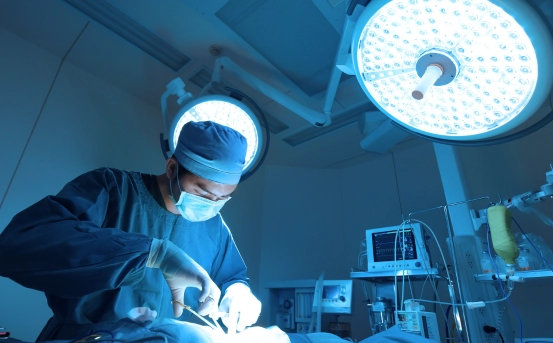
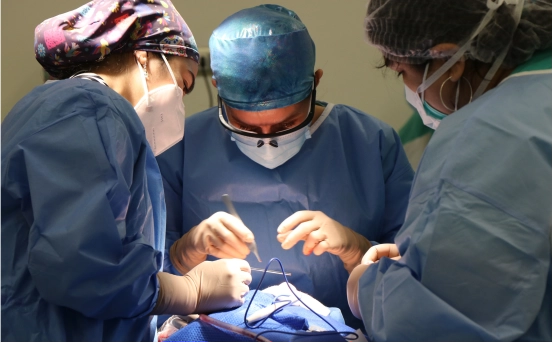
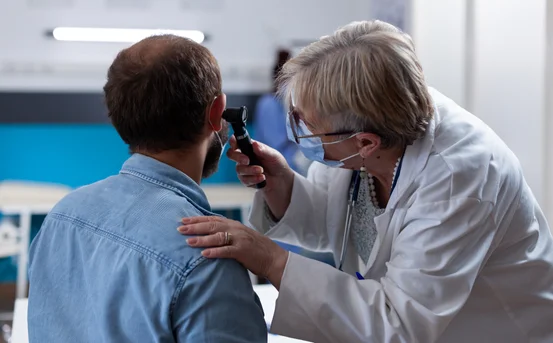
Surgery is often viewed as a last resort when treating medical conditions, and rightly so. It typically follows after medication, physical therapy, or lifestyle adjustments have failed to resolve the issue. However, certain symptoms can indicate that surgery is not just an option, but a necessity. Understanding these warning signs can help individuals seek timely intervention and prevent complications that might otherwise result from delayed treatment.
Symptoms for the Need for Trauma Surgery
Pain is the body’s way of signaling that something is wrong. While many cases of pain resolve with rest, medication, or other non-invasive treatments, ongoing or intensifying pain can be a sign of a more serious underlying issue. Conditions such as herniated discs, gallstones, or severe arthritis may require surgical treatment if conservative methods prove ineffective. For instance, chronic joint pain that limits mobility and quality of life might indicate the need for joint replacement surgery.
-
Difficulty Breathing or Swallowing
Trouble breathing or swallowing can sometimes indicate the presence of structural abnormalities or growths such as tumors, polyps, or an enlarged thyroid. These symptoms should never be ignored, as they can quickly become life-threatening. If imaging or clinical examination confirms a blockage or mass, surgical intervention may be required to restore normal function and ensure patient safety.
-
Abdominal Pain with Other Symptoms
Severe abdominal pain, particularly when accompanied by symptoms like vomiting, fever, or swelling, may suggest an emergency that could require surgery. Appendicitis is a classic example where pain begins near the belly button and shifts to the lower right abdomen. If not treated quickly through surgery, a ruptured appendix can lead to life-threatening infections. Similarly, gallbladder attacks, bowel obstructions, or perforated ulcers often necessitate surgical procedures.
-
Uncontrolled Bleeding
Unexplained or uncontrollable bleeding can indicate internal damage that may require immediate surgical attention. Whether due to trauma, gastrointestinal ulcers, or complications from another medical condition, such bleeding can lead to shock and organ failure if not addressed promptly. Surgery may be required to stop the bleeding and repair any internal damage.
-
Sudden Vision Loss or Eye Trauma
A sudden loss of vision or serious trauma to the eye may demand surgical evaluation. Retinal detachment, for example, is a condition that can cause blindness if not corrected surgically. Injuries involving foreign objects in the eye, deep lacerations, or orbital fractures also often require the skill of a surgeon to prevent long-term damage.
-
Recurring Infections
Repeated infections in certain areas of the body can signal the need for surgical removal or repair. Chronic tonsillitis, for example, may warrant a tonsillectomy. Recurrent abscesses or skin infections may require drainage or excision. In cases involving internal organs, such as kidney infections that result from structural abnormalities, corrective surgery might be necessary to eliminate the source of infection.
-
Lumps and Masses
Discovering a lump or mass anywhere on the body should prompt a medical evaluation. While not all growths are cancerous, some may still need to be surgically removed either for biopsy or to prevent future complications. Tumors in the breast, thyroid, colon, or reproductive organs are particularly concerning. Surgical excision not only helps in diagnosis but also in preventing the potential spread of malignant cells.
-
Loss of Bladder or Bowel Control
Sudden or progressive loss of control over bladder or bowel function can be a sign of spinal cord compression or severe nerve damage. In conditions such as cauda equina syndrome, where nerves at the base of the spinal cord are compressed, emergency surgery is often required to prevent permanent paralysis and restore normal bodily functions.
-
Delayed Healing or Non-Healing Wounds
Wounds that do not heal despite proper care might need surgical intervention, especially in diabetic or immunocompromised patients. These wounds can become infected or form ulcers that penetrate deep into tissues, potentially reaching the bone. Surgical debridement, or the removal of dead tissue, helps promote healing and prevent systemic infections.
-
Deformities and Physical Impairments
Certain physical deformities, whether congenital or acquired through injury or disease, may require corrective surgery. These can include scoliosis, clubfoot, or significant facial trauma. Reconstructive and orthopedic surgeries aim to restore function and improve quality of life, particularly when the deformity impairs movement or daily activity.
-
Weight Loss with Abdominal Fullness or Distention
Unexplained weight loss, when combined with a feeling of fullness or visible abdominal swelling, could point to serious conditions like ovarian cancer or gastrointestinal tumors. These symptoms necessitate immediate evaluation, often including imaging and biopsy. If a tumor or mass is detected, surgery might be the only effective treatment to remove it and prevent further progression of the disease.
-
Trauma and Fractures
Physical trauma such as car accidents, falls, or sports injuries can result in fractures or internal damage that require surgical repair. While some fractures heal with casting or splinting, complex breaks, especially those involving joints or multiple fragments, often need surgical alignment with plates, screws, or rods. Internal injuries to organs like the spleen, liver, or intestines may also need urgent surgical attention to prevent internal bleeding and organ failure.
-
Hernias That Are Painful or Growing
A hernia occurs when an internal part of the body pushes through a weakness in the surrounding muscle or tissue wall. While some hernias are not immediately dangerous, painful or enlarging hernias increase the risk of becoming incarcerated or strangulated. In these cases, the blood supply to the herniated tissue is cut off, leading to tissue death. Surgical repair is the only definitive treatment for this condition.
-
Neurological Symptoms
Symptoms such as unexplained weakness, numbness, or loss of coordination can be indicative of neurological problems that may require surgery. Conditions such as brain tumors, spinal cord injuries, or aneurysms often present with these warning signs. Depending on the diagnosis, surgery may be the only viable option to alleviate pressure on nerves or remove problematic growths.
Conclusion
Recognizing when surgery might be necessary can make a significant difference in outcomes and quality of life. While the thought of surgery can be intimidating, timely action based on clear warning signs can prevent further complications and pave the way for recovery. If you or someone you know is experiencing any of these symptoms, seeking prompt medical evaluation is crucial. Only a qualified healthcare provider can assess whether surgery is appropriate, but understanding the red flags can empower you to act before a situation becomes critical.