Introduction
Abscesses are painful, swollen collections of pus that form due to infections beneath the skin or inside the body. While many abscesses can resolve with antibiotics or drainage, some become severe enough to require surgery. Recognizing the early symptoms of abscess surgery and knowing when to seek medical care can prevent complications and speed up recovery.
What Is an Abscess?
An abscess occurs when bacteria invade tissue and the body’s immune system fights back, creating a pocket of pus. This pus contains dead cells, bacteria, and tissue debris. Abscesses can develop in different areas such as the skin (cutaneous abscess), around the anus or rectum (perianal abscess), teeth (dental abscess), or even deep inside organs like the liver, breast, or abdomen. Depending on the location and severity, treatment may involve medication or abscess surgery for drainage.
Common Symptoms of Abscess Surgery
Abscesses usually start as painful lumps beneath the skin or deep within the body. Here are the major symptoms you may notice:
- Localized Pain :- Pain is the earliest and most common symptom. It may begin as mild discomfort and gradually worsen as the abscess grows. Deep abscesses inside the body can cause dull, persistent pain in the affected area, such as the abdomen or pelvis.
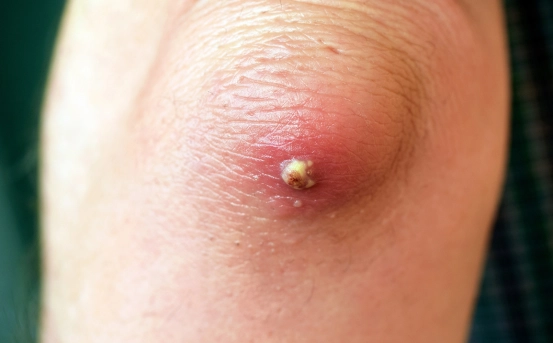
- Swelling and Redness :- The infected area becomes swollen, warm, and red due to inflammation. The skin around the abscess may appear stretched, shiny, or tender to touch. In some cases, you may see a visible bump that increases in size over time.
- Pus Formation :- An abscess is essentially a pocket of pus. As the infection progresses, you may notice yellow or white fluid under the skin. If the abscess ruptures, foul-smelling or thick discharge may leak out.
- Fever and Fatigue :- When the body attempts to fight a strong infection, you may develop fever, chills, or a general feeling of tiredness. These are signs that the infection may be spreading or becoming severe enough to need surgical drainage.
- Heat Over the Affected Area :- Abscesses often feel warm due to increased blood flow and inflammation. This is a sign that the body is working hard to fight the infection but may not be succeeding without medical help.
- Limited Movement :- If the abscess is near joints such as the armpit, groin, or diabetic, movement may become painful or restricted. Deep abscesses in the abdomen may cause difficulty walking, bending, or performing daily activities.
Symptoms That Indicate the Need for Abscess Surgery
While small abscesses sometimes respond to antibiotics or warm compresses, many require surgical drainage. Here are the warning signs that surgery may be necessary:
- Severe or Increasing Pain :- If the pain becomes unbearable or keeps worsening over time, it suggests the abscess is growing or spreading.
- Abscess Larger Than 1–2 cm :- Small abscesses are sometimes manageable at home, but larger ones almost always need professional drainage.
- High Fever or Chills :- These symptoms indicate that the infection may have entered the bloodstream (a condition called sepsis), requiring immediate surgical and medical intervention.
- No Improvement With Medication :- If antibiotics fail to reduce swelling, redness, or pain, surgery is the best option to remove the pus and stop the infection.
- Difficulty Eating, Breathing, or Moving :- Abscesses in the mouth, throat, chest, or abdomen can interfere with normal body functions. Such cases require urgent surgical drainage.
- Recurrent Abscess Formation :- If abscesses keep returning, a deeper infection or underlying medical condition may be present. Surgical removal or deeper drainage might be required to prevent recurrence.
How Abscess Surgery Helps
Abscess surgery, also called incision and drainage (I&D), is a simple yet highly effective procedure. A surgeon makes a small cut in the abscess to drain the accumulated pus, cleans the area, and may insert a small pack or drain to allow continuous drainage. This relieves pressure, reduces pain, and stops the infection from spreading to nearby tissues or organs. In deeper or internal abscesses, surgical methods may involve guided drainage using ultrasound or CT scan technology. Some complex abscesses may require hospitalization for intravenous antibiotics and close monitoring.
Why Early Diagnosis and Treatment Matter
Ignoring the symptoms of an abscess can lead to dangerous complications like:
- Spread of infection to surrounding tissues (cellulitis)
- Formation of multiple abscess pockets
- Sepsis (life-threatening bloodstream infection)
- Tissue damage or organ failure (in deep abscess cases)
- Chronic pain and long recovery time
Early detection not only prevents complications but also ensures faster healing with minimal discomfort.
When to See a Doctor
You should consult a healthcare professional immediately if:
- You notice a painful lump that grows or becomes warm and red
- Fever or chills accompany the swelling
- Pus begins to drain but the pain remains
- The abscess is near sensitive areas such as the face, groin, breast, or anus
- You have underlying conditions like diabetes or a weak immune system
Conclusion
Abscesses may look small on the surface, but ignoring the symptoms can lead to serious infections and complications. Understanding the signs early and knowing when surgery is required helps you seek timely treatment. Abscess surgery is safe, quick, and often the most effective way to eliminate infection and relieve pain. If you experience any symptoms discussed above, don’t delay—consult a medical professional to get proper diagnosis and treatment.