Introduction
Cryotherapy surgery, or cryosurgery, is a minimally invasive procedure that uses extreme cold to destroy abnormal or diseased tissue. It is commonly performed for skin lesions, warts, precancerous conditions, cervical abnormalities, and certain tumors. Although the procedure is generally safe and well tolerated, patients may experience some temporary symptoms as part of the normal healing process.
Understanding the common symptoms cryotherapy surgery helps patients know what to expect and recognize when medical attention may be needed
Symptoms of Cryotherapy Surgery
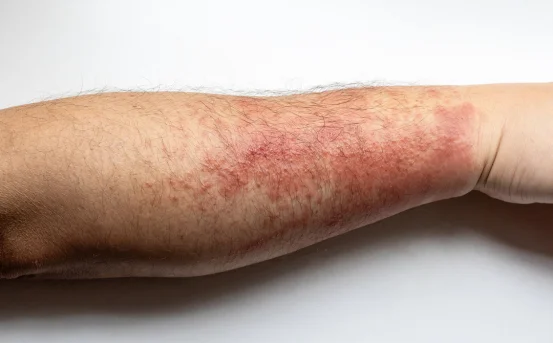
- Redness and Swelling :- One of the most common symptoms after cryotherapy is redness and mild swelling at the treated area. This occurs because the freezing process causes temporary inflammation as the body begins to heal. The swelling usually appears within a few hours and gradually reduces over a few days.
- Blister Formation :- After cryotherapy, the treated area may develop a fluid-filled blister. This is a normal response to tissue freezing and indicates that the damaged cells are separating from healthy tissue. The blister may contain clear fluid or sometimes a small amount of blood. It usually dries up on its own and should not be punctured unless advised by a doctor.
- Mild Pain or Burning Sensation :- Patients often experience mild pain, stinging, or a burning sensation after the procedure. This discomfort is usually temporary and subsides within a few hours to a couple of days. Over-the-counter pain relievers and cold compresses may help reduce discomfort if needed.
- Scab or Crust Formation :- As the treated tissue dies, the area typically forms a scab or crust. This is part of the natural healing process. Over time, the scab dries and falls off, allowing new healthy skin or tissue to develop underneath. The healing period may take from a few days to a few weeks, depending on the size and depth of the treatment.
- Skin Color Changes :- Temporary changes in skin color may occur after cryotherapy. The treated area may appear lighter (hypopigmentation) or darker (hyperpigmentation) than the surrounding skin. In most cases, the skin gradually returns to its normal color, although mild permanent color change can occur, especially in darker skin types.
- Numbness or Tingling :- Some patients may notice temporary numbness, tingling, or sensitivity in the treated area. This happens because the cold temperature affects nearby nerve endings. Sensation usually returns to normal as healing progresses.
- Mild Discharge or Moistness :- In certain cases, especially after larger treatments, there may be slight fluid discharge from the treated site. Keeping the area clean and covered, if advised, helps prevent infection and promotes proper healing.
Symptoms After Internal Cryotherapy
For internal cryotherapy procedures (such as cryoablation for tumors or cervical treatment), additional mild symptoms may include:
- Local soreness or tenderness
- Mild cramping (especially after cervical cryotherapy)
- Watery discharge for a few days or weeks
- Temporary fatigue
These symptoms are generally mild and improve gradually.
Warning Signs to Watch For
While most symptoms are normal and temporary, patients should seek medical attention if they experience:
- Severe or increasing pain
- Signs of infection such as pus, excessive redness, warmth, or fever
- Heavy bleeding
- Delayed healing or worsening swelling
Early medical care helps prevent complications and ensures proper recovery.
Conclusion
After cryotherapy surgery, patients may experience mild and temporary symptoms such as redness, swelling, blisters, scab formation, and slight discomfort. These reactions are a normal part of the healing process as the body removes damaged tissue and regenerates healthy cells. Most symptoms resolve within a short time with proper care. However, following post-procedure instructions and consulting a healthcare provider if unusual symptoms occur ensures safe recovery and the best treatment outcomes.