Introduction
Dermal fillers have become one of the most popular cosmetic treatments for restoring volume, softening lines, and enhancing facial features. They offer quick, minimally invasive results with little downtime. However, like any aesthetic procedure, dermal fillers can cause certain symptoms some completely normal, others requiring medical attention. Understanding these symptoms of dermal fillers helps ensure a safe, informed, and comfortable treatment experience.
What Are Dermal Fillers?
Dermal fillers are gel-like substances injected beneath the skin to add volume, contour the face, and reduce wrinkles. The most widely used fillers are hyaluronic acid (HA) fillers, which are safe, reversible, and naturally absorbed by the body over time. Other types include calcium hydroxylapatite, poly-L-lactic acid, and PMMA fillers. Because these fillers interact with facial tissues, certain symptoms may appear after treatment. Knowing what to expect can reduce anxiety and guide you toward the right aftercare.
Normal Symptoms of Dermal Fillers
Most symptoms after dermal filler injections are mild, temporary, and part of the body’s natural healing response. These usually subside within a few hours to a few days.
- Swelling :- Swelling is the most common symptom following dermal fillers. Areas like the lips and under-eyes swell more due to their delicate tissues. Swelling typically peaks within 24–48 hours and gradually improves. Applying a cold compress and staying hydrated can help ease the discomfort.
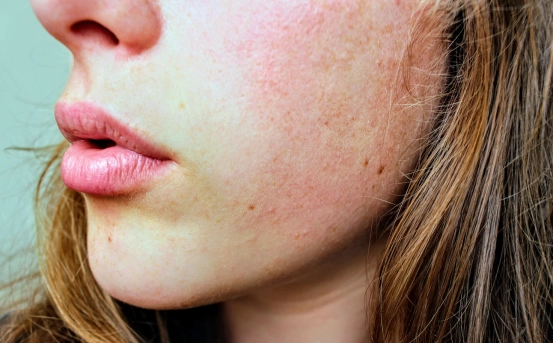
- Redness :- Mild redness at injection sites is expected immediately after the treatment. It is a sign of increased blood flow and skin irritation from the needle. Redness should resolve within a few hours. Avoid makeup for at least 24 hours to prevent irritation or infection.
- Bruising :- Bruising varies from person to person and is influenced by skin sensitivity, filler type, and injection technique. Light bruising is normal and may last 5–7 days. Using arnica gel or taking bromelain supplements may help reduce bruise duration.
- Tenderness or Mild Pain :- It’s common to feel slight tenderness, soreness, or pressure around treated areas. This typically fades within 48 hours and can be managed with cold compresses or mild pain relievers (avoid aspirin, ibuprofen, and other blood-thinners unless advised by your doctor).
- Lumps or Bumps :- Small lumps may appear because the filler hasn’t fully settled. Gentle massaging, if recommended by your provider, can help smooth out these bumps. If the lumps persist beyond a week, consult your practitioner for evaluation.
- Itching :- Mild itching indicates skin healing and is common, especially with hyaluronic acid fillers. However, severe itching may indicate an allergic reaction, which requires prompt medical attention.
Less Common but Concerning Symptoms
While dermal fillers are generally safe, certain symptoms may indicate complications. Recognizing these warning signs early can prevent serious issues.
- Prolonged Swelling or Hard Nodules :- Swelling that lasts more than a week or hard nodules under the skin may signal an inflammatory reaction or granuloma formation. These conditions are rare but require professional treatment.
- Intense Pain :- Sharp or escalating pain during or after the procedure may indicate improper injection placement or compression of a blood vessel. This is not normal and needs urgent medical evaluation.
- Skin Discoloration A bluish or pale appearance around the injection site can be a sign of vascular occlusion where filler blocks a blood vessel. This is a medical emergency and should be treated immediately to prevent tissue damage.
- Infection :- Although rare, infections can occur after dermal injections. Symptoms include
- Redness that worsens over time
- Warmth at the injection site
- Pus formation
- Fever
Seek medical help right away if these signs appear.
- Allergic Reactions :- Symptoms of an allergic reaction may include
- Severe itching
- Rash or hives
- Difficulty breathing
- Swelling of the lips or throat
- Autoimmune disorder
Immediate medical care is essential in such cases.
How to Reduce Symptoms After Dermal Fillers
Proper aftercare plays a major role in minimizing symptoms and ensuring the best results.
Follow These Tips
- Use cold compresses for swelling and bruising.
- Avoid strenuous exercise for 24–48 hours.
- Skip alcohol and salty foods, which can worsen swelling.
- Sleep with your head elevated on the first night.
- Avoid touching or massaging the treated areas unless advised.
- Stay hydrated and follow your expert’s post-treatment instructions.
Simple steps like these help promote healing and reduce discomfort.
When Should You Contact Your Practitioner?
Reach out to your dermatologist or aesthetic specialist if you notice
- Symptoms that worsen instead of improving
- Severe or sudden pain
- Abnormal skin color changes
- Persistent lumps lasting longer than a week
- Any sign of infection or allergic reaction
Early action ensures safe management and prevents complications.
Conclusion
Dermal fillers deliver beautiful, natural-looking enhancements with minimal downtime. Understanding the symptoms of dermal fillers both normal and concerning helps you stay prepared and confident throughout your aesthetic journey. Most symptoms are mild and temporary, but recognizing red flags ensures timely medical care when needed.