Introduction
Female urology focuses on diagnosing and treating urinary tract and pelvic floor disorders that commonly affect women across all age groups. Early identification of symptoms plays a crucial role in preventing complications, improving comfort, and ensuring better long-term health outcomes. Many women overlook urological symptoms because they may feel embarrassed to talk about them or assume they are a normal part of aging, pregnancy, or lifestyle changes. However, recognizing the early signs can lead to timely medical care, quicker diagnosis, and effective treatment.
Understanding the Female Urinary System
The female urinary system consists of the kidneys, ureters, bladder, and urethra. These organs work together to filter waste, produce urine, store it, and eliminate it from the body. When any part of this system is affected by infection, inflammation, muscle weakness, or structural changes, symptoms may appear.
Hormonal changes during pregnancy, childbirth, menopause, and aging can make women more prone to urological disorders. Lifestyle factors like inadequate hydration, sedentary habits, or chronic illnesses can further contribute to urinary tract problems.
Common Symptoms of Female Urology
- Frequent Urination :- One of the most common symptoms is needing to urinate more often than usual. If you feel the urge to visit the bathroom multiple times throughout the day or night, even when you produce little urine, it may indicate conditions like
- Overactive bladder (OAB)
- Urinary tract infection (UTI)
- Interstitial cystitis
- Bladder stones or inflammation
Frequent urination can disrupt sleep, daily activities, and overall quality of life.
- Urinary Leakage (Incontinence) :- Accidental leakage of urine can occur while laughing, coughing, sneezing, exercising, or even during regular daily movements. This is known as stress urinary incontinence. Urge incontinence, on the other hand, happens when a sudden, strong urge to urinate leads to leakage before reaching the bathroom.
Common causes include
- Weak pelvic floor muscles
- Childbirth trauma
- Menopause-related hormonal decline
- Nerve disorders
- Obesity
Urinary incontinence is treatable, and early diagnosis significantly improves outcomes.
- Pain or Burning While Urinating :- A burning sensation during urination is often associated with urinary tract infections, which are more common in women due to the shorter urethra. Other causes include
- Vaginal infections
- Kidney infections
- Urethritis
- Bladder inflammation
If the burning sensation is accompanied by fever, lower back pain, or cloudy urine, immediate medical attention is recommended.
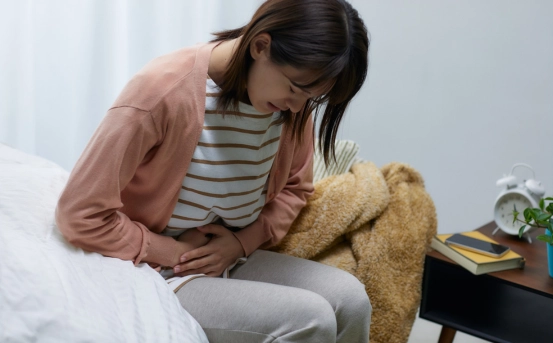
- Pelvic Pain or Pressure :- Persistent or recurring pelvic pain can indicate a variety of female urological conditions. Many women describe pelvic pressure as a heavy or dragging feeling in the lower abdomen. It may be caused by
- Pelvic organ prolapse
- Interstitial cystitis
- Chronic pelvic pain syndrome
- Urethral or bladder inflammation
Pelvic pain should not be ignored, especially if it interferes with daily activities or persists for several weeks.
- Blood in the Urine (Hematuria) :- Seeing pink, red, or brownish urine can be alarming. Blood in the urine may be visible to the naked eye or detected during a routine urine test. Potential causes include
- Urinary tract infections
- Kidney stones
- Bladder or kidney infections
- Urological cancers
While not all causes are serious, timely evaluation is essential to rule out severe conditions.
- Difficulty Emptying the Bladder :- Some women struggle to start urinating or fully empty their bladder. This may lead to a feeling of incomplete evacuation, urinary retention, or dribbling after urination. Causes include
- Pelvic organ prolapse
- Urethral strictures
- Nerve damage
- Weakened bladder muscle function
Left untreated, urinary retention can lead to infections and bladder damage.
- Cloudy or Foul-Smelling Urine :- Changes in urine color, appearance, or smell often indicate infection or dehydration. Cloudy urine may come from bacterial growth, while strong odors can result from metabolic changes or poor hydration. Conditions that cause these symptoms include UTIs, kidney infections, and dietary factors. Less Common but Important Symptoms
- Back or Side Pain :- Severe pain in the back or side, especially near the lower ribs, could signal kidney stones or kidney infection. Stones may cause sharp, cramping pain that comes and goes, while infections often bring fever and nausea along with discomfort.
- Recurrent UTIs :- Experiencing multiple UTIs within a year is a sign of an underlying problem. Recurrent infections may indicate anatomical abnormalities, bladder dysfunction, or hormonal changes. Managing recurrent UTIs often requires a deeper evaluation by a urologist.
- Pain During Intercourse :- Pain during sexual intercourse can be linked to pelvic floor dysfunction, bladder inflammation, or infections. When urological in nature, it often coexists with urinary urgency, frequency, or pelvic pain.
When Should You Consult a Urologist?
You should seek medical attention if you experience
- Persistent urinary symptoms lasting over a week
- Visible blood in the urine
- Severe pelvic or back pain
- Frequent urinary leakage affecting daily life
- Painful urination with fever or chills
- Recurrent urinary tract infections
Early consultation helps identify the cause, prevent complications, and start appropriate treatment.
How Female Urology Conditions Are Diagnosed
A urologist may perform or recommend
- Urine analysis and culture
- Pelvic ultrasound
- Urodynamic testing
- Cystoscopy
- Pelvic exam
- CT or MRI scans (if necessary)
These tests help pinpoint the exact cause of symptoms and guide personalized treatment.
Conclusion
Understanding the symptoms of female urological conditions is the first step toward better health and comfort. Since many women hesitate to discuss urinary issues, conditions often go untreated for years. By recognizing early warning signs such as urinary frequency, leakage, burning, pelvic pain, or blood in the urine you can take proactive steps toward diagnosis and treatment.