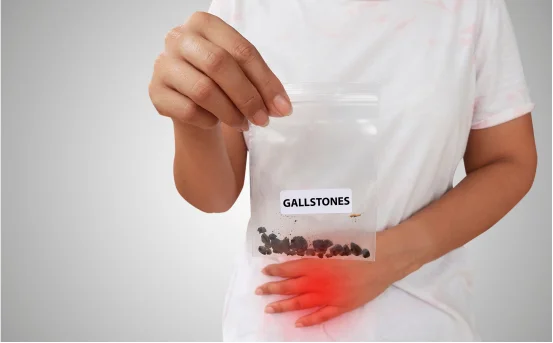
Gallstones are small, solid deposits that form in the gallbladder a small, pear-shaped organ located beneath the liver. Although many people live with gallstones without even realizing it, others experience severe symptoms that require immediate medical attention. Recognizing the early warning symptoms of gallstones can help prevent serious complications and guide timely treatment.
Understanding Symptoms of Gallstones
Before diving into the symptoms, it’s essential to understand what gallstones are and how they form. Gallstones develop when substances in bile, a digestive fluid produced by the liver, become imbalanced. The two main types of gallstones include:
- Cholesterol Gallstones :- These are yellow-green and made primarily of undissolved cholesterol.
- Pigment Gallstones :- These are smaller, darker, and made of excess bilirubin.
Gallstones can vary in size from a grain of sand to a golf ball and may occur singly or in clusters.
The Silent Nature of Gallstones
Interestingly, many people with gallstones experience no symptoms at all. This condition is referred to as “silent gallstones.” These are often discovered during imaging tests conducted for unrelated medical issues. However, when a gallstone obstructs a bile duct, it leads to what’s known as a “gallbladder attack” or biliary colic, which brings about a host of noticeable symptoms.
Primary Symptoms of Gallstones
- Abdominal Pain (Especially in the Upper Right Abdomen) :- The most common and classic symptom of gallstones is a sharp, cramping pain in the upper right portion of the abdomen, just below the ribcage. This pain:
- Can come on suddenly and intensify quickly.
- Often lasts from 15 minutes to several hours.
- May radiate to the right shoulder or back.
- Frequently occurs after eating a fatty or heavy meal.
This type of pain is typically due to a gallstone blocking the bile duct and can be extremely intense. It is sometimes mistaken for a heart attack, acid reflux, or a peptic ulcer.
- Nausea and Vomiting :- Gallstone attacks often lead to nausea and vomiting, particularly after meals. This is a response to the digestive disruption caused by a blocked bile flow. While nausea alone may not confirm gallstones, its presence alongside upper abdominal pain is a red flag that shouldn’t be ignored.
- Bloating and Indigestion :- Chronic indigestion, abdominal bloating, and a feeling of fullness especially after meals are common symptoms. These signs are often mistaken for general digestive discomfort or food intolerance. However, when they are frequent and paired with upper abdominal pain, they could indicate a gallbladder issue.
- Jaundice (Yellowing of the Skin and Eyes) :- If a gallstone moves into the common bile duct and becomes lodged, it can cause a backup of bile into the liver, resulting in jaundice. This leads to:
- Yellowing of the skin and eyes
- Dark-colored urine
- Pale or clay-colored stools
Jaundice is a sign of a more serious gallstone complication and may require immediate medical intervention.
- Fever and Chills :- A gallstone that causes a gallbladder infection (cholecystitis) can lead to fever, chills, and sweating. This is often accompanied by severe abdominal pain and tenderness. These symptoms suggest an active infection and should be treated as a medical emergency.
- Pain Between the Shoulder Blades :- Some patients experience radiating pain between the shoulder blades or in the right shoulder. This symptom can sometimes be misleading, as it may resemble muscle pain or a strain. However, it’s commonly linked to gallbladder distress caused by gallstones.
Changes in Stool and Urine Color
In addition to jaundice-related changes, some individuals with gallstones may notice:
- Dark amber urine
- Light-colored, greasy, or foul-smelling stools
These changes indicate problems with fat digestion due to bile duct blockage. Bile is essential for breaking down fats; its absence in the intestines alters stool appearance and texture.
How Long Do Symptoms Last?
Gallstone symptoms can be episodic or persistent. Some people may have sporadic attacks that resolve on their own, while others suffer from recurring episodes that grow in frequency and intensity. A single attack that lasts longer than 5 hours, or is accompanied by fever or jaundice, should prompt urgent medical evaluation.
Who Is at Risk of Symptomatic Gallstones?
Not everyone with gallstones develops symptoms. However, certain factors increase the likelihood:
- Women (especially those who are pregnant or on hormone therapy)
- Obesity or rapid weight loss
- Individuals over the age of 40
- Family history of gallstones
- High-fat, low-fiber diets
- People with diabetes or liver disease
For those at higher risk, understanding the symptoms and acting early is critical to avoiding complications like gallbladder infections, pancreatitis, or bile duct obstruction.
When to Seek Medical Attention
You should contact a healthcare provider if you experience:
- Severe or persistent abdominal pain
Pain that interferes with eating or daily activities - Jaundice
- Fever and chills
- Recurring episodes of nausea, vomiting, or indigestion
Even if the symptoms subside, the underlying issue may persist and lead to further complications. Early diagnosis and treatment including dietary changes, medication, or surgery can offer lasting relief.
Conclusion
Gallstones often go unnoticed until they cause a problem. While many people may never feel their presence, others face painful and potentially dangerous symptoms. Recognizing the signs of gallstones, especially sharp upper abdominal pain, nausea, jaundice, and fever is crucial for early diagnosis and proper treatment.
If you suspect gallstones, don’t ignore the signals your body is sending. Consult a healthcare provider to evaluate your condition and explore appropriate treatment options. A proactive approach can help you avoid complications and maintain a healthy digestive system.