Introduction
Neuro-ophthalmology is a specialized field that bridges the gap between neurology and ophthalmology, focusing on visual problems related to the nervous system. Neuro-ophthalmic disorders can significantly affect a patient’s vision, eye movements, and overall quality of life. While some conditions can be managed conservatively, surgical interventions are sometimes necessary to prevent further vision loss or to correct underlying neurological issues. Understanding the symptoms of neuro ophthalmic disorder surgery is crucial for timely treatment and optimal outcomes.
What Are Neuro Ophthalmic Disorders?
Neuro-ophthalmic disorders encompass a wide range of conditions that involve both the eyes and the nervous system. These include optic nerve diseases, eye movement disorders, visual field defects, and cranial nerve abnormalities. Common conditions include
- Optic neuritis inflammation of the optic nerve.
- Papilledema swelling of the optic nerve due to increased intracranial pressure.
- Third, fourth, and sixth cranial nerve palsies affecting eye movement.
- Pituitary tumors causing vision changes due to pressure on optic pathways.
- Myasthenia gravis a neuromuscular disorder affecting eyelid and eye muscle function.
While medications, lifestyle adjustments, or minimally invasive procedures can help in early stages, some patients may require neuro-ophthalmic surgery to restore function or prevent permanent damage.
Common Symptoms of Neuro Ophthalmic Disorder Surgery
Recognizing early symptoms is critical. If you experience any of the following, a neuro-ophthalmologist should evaluate you promptly:
- Sudden Vision Loss :- Sudden partial or complete vision loss in one or both eyes is a red flag. Conditions like optic neuritis or retinal artery occlusion may require urgent intervention to prevent permanent blindness.
- Double Vision (Diplopia) :- Persistent double vision, especially when associated with drooping eyelids or misaligned eyes, often indicates cranial nerve involvement. Surgical intervention may be necessary if conservative treatments fail.
- Drooping Eyelids (Ptosis) :- Ptosis can result from nerve dysfunction or muscular weakness. If left untreated, it may interfere with vision. Surgery may correct the droop and improve both functional vision and appearance.
- Eye Movement Abnormalities :- Difficulty moving the eyes, such as inability to look in certain directions or abnormal eye alignment, can indicate cranial nerve palsies. Neuro-ophthalmic surgery can sometimes restore normal eye movement.
- Headaches and Visual Disturbances :- Chronic headaches accompanied by blurred vision, transient vision loss, or flashes of light may signal increased intracranial pressure or other neurological disorders that affect vision. Surgery may be necessary in cases of structural anomalies or tumors.
- Visual Field Loss :- Loss of peripheral vision or “tunnel vision” often points to optic nerve or brain pathway involvement. Timely surgical intervention can prevent progression and preserve central vision.
- Swelling of the Optic Disc :- Papilledema, or optic disc swelling, often indicates increased pressure in the brain. If medication or other treatments do not relieve the pressure, surgery may be needed to prevent permanent optic nerve damage.
- Abnormal Pupil Reactions :- Pupils that respond sluggishly or asymmetrically to light can be a subtle sign of neurological issues affecting the eye. Neuro-ophthalmic evaluation is crucial to determine the underlying cause.
Surgical Interventions in Neuro Ophthalmology
Depending on the condition and severity, various surgical procedures may be recommended
- Optic nerve decompression surgery – Relieves pressure on the optic nerve caused by tumors, aneurysms, or bone abnormalities.
- Orbital surgery – Corrects structural problems in the eye socket that affect vision or eye alignment.
- Strabismus surgery – Aligns misaligned eyes, improving both vision and appearance.
- Eyelid surgery (Blepharoplasty/ptosis repair) – Restores normal eyelid position, improving vision and reducing eye strain.
- Tumor removal surgery – Pituitary or orbital tumors may require surgical excision to relieve optic nerve compression.
The choice of surgery depends on diagnostic imaging, the severity of symptoms, and overall patient health.
Risk Factors for Neuro Ophthalmic Disorders
Certain factors increase the likelihood of neuro-ophthalmic issues requiring surgery
- Diabetes and hypertension – Can affect blood vessels in the eyes and nerves.
- Previous neurological disorders – Stroke or multiple sclerosis may predispose patients to optic nerve issues.
- Genetic conditions – Some inherited diseases affect eye muscles or nerve function.
- Head trauma – Injuries can damage cranial nerves or the optic pathway.
Early detection and management can often prevent the need for surgery, but some conditions progress despite medication and therapy.
Diagnosing Neuro Ophthalmic Disorders
A thorough diagnostic evaluation is crucial. Common assessments include
- Visual acuity and visual field testing – Measures clarity and range of vision.
- Fundoscopy – Examines the optic disc and retina for swelling or damage.
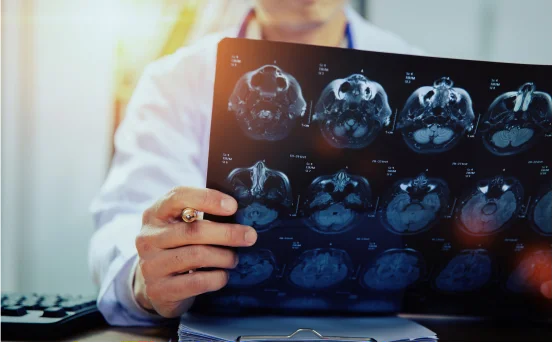
- MRI/CT scans – Detect tumors, vascular abnormalities, or nerve compression.
- Blood tests and neurological exams – Rule out systemic causes of optic nerve or cranial nerve dysfunction.
- Electrophysiology tests – Assess nerve function and conduction in the eyes and brain.
These tests help determine whether surgery is necessary or if conservative treatments may suffice.
Post-Surgical Symptoms and Recovery
Patients undergoing neuro-ophthalmic surgery may experience temporary symptoms as part of recovery
- Mild swelling or bruising around the eyes
- Temporary blurred vision
- Headache or discomfort
- Sensitivity to light
Most symptoms improve over a few weeks with proper care. Surgeons provide detailed post-operative instructions, including eye drops, activity restrictions, and follow-up appointments.
When to Seek Immediate Medical Attention
Some symptoms require urgent evaluation even after surgery
- Sudden loss of vision in one or both eyes
- Severe eye pain
- Persistent double vision or drooping eyelid
- Signs of infection (redness, swelling, discharge)
Early intervention can prevent complications and improve surgical outcomes.
Conclusion
Neuro-ophthalmic disorders are complex conditions that affect both the nervous system and visual function. Recognizing early warning signs such as vision loss, double vision, eyelid drooping, abnormal eye movements, and headaches is critical. While some disorders can be managed conservatively, surgery may be required to restore vision, correct eye alignment, or relieve nerve compression.