Introduction
Vascular malformations are abnormalities in the blood vessels that develop during fetal growth and persist throughout life. Unlike common birthmarks, they do not disappear over time and can affect veins, arteries, lymphatic vessels, or a combination of these. Understanding the symptoms of vascular malformations is crucial for early diagnosis and effective treatment, as delayed intervention can lead to complications.
Vascular malformations can occur anywhere in the body, including the skin, muscles, bones, and internal organs. These malformations are usually present at birth, although they might not become noticeable until later in life. The severity of symptoms depends on the type, location, and size of the malformation.
Types of Vascular Malformations
Before diving into the symptoms, it is essential to understand that vascular malformations are classified based on the type of blood vessel involved:
- Capillary Malformations (CM): These involve the smallest blood vessels and often appear as flat, red or pink patches on the skin.
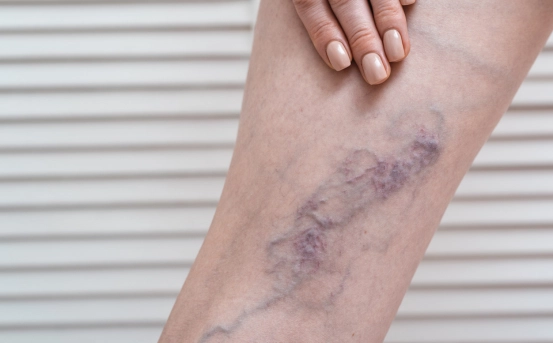
- Venous Malformations (VM): These involve veins and may cause swelling, pain, or a bluish discoloration.
- Arteriovenous Malformations (AVM): These are high-flow malformations where arteries connect directly to veins, often leading to warmth, pulsation, or bleeding.
- Lymphatic Malformations (LM): These involve lymph vessels and can lead to fluid-filled cysts or swelling.
- Combined Malformations: Sometimes, more than one type of vessel is involved, leading to mixed symptoms.
Early Signs and Symptoms
The initial signs of vascular malformations can be subtle and vary according to the type of malformation. Some common early symptoms include:
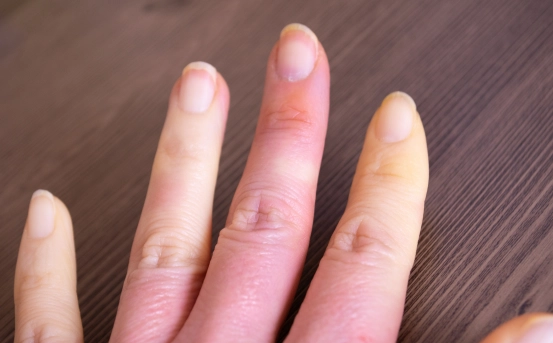
- Visible Skin Changes: Red, purple, or blue discolorations on the skin are often the first clue. Capillary malformations may appear as faint pink patches, while venous malformations may show a bluish tint.
- Swelling: Gradual swelling or enlargement of a limb, finger, or other body part may indicate an underlying vascular malformation.
- Soft Tissue Masses: Small, soft lumps under the skin may develop, particularly in venous or lymphatic malformations.
- Pain or Discomfort: Pain may occur intermittently, especially after physical activity or when the affected area is compressed.
- Temperature Changes: Arteriovenous malformations can create localized warmth due to increased blood flow.
Symptoms of Type of Malformation
Understanding symptoms specific to each type of vascular malformation can help in timely recognition and medical evaluation.
- Capillary Malformations
- Skin Discoloration: Often called “port-wine stains,” these patches are flat and pink at birth, potentially darkening over time.
- Progressive Growth: Although they grow slowly, these patches may thicken or develop small nodules during adulthood.
- Cosmetic Concerns: Most capillary malformations do not cause pain but may affect self-esteem due to their appearance.
- Venous Malformations
- Bluish Swelling: Veins that are abnormally large or irregular may appear bluish under the skin.
- Tenderness or Pain: Pain often occurs due to blood pooling or clot formation within the malformation.
- Functional Impairment: Depending on location, venous malformations can restrict movement or cause discomfort in daily activities.
- Arteriovenous Malformations
- Pulsating Mass: AVMs can create a noticeable pulsating lump under the skin.
- Bleeding or Bruising: High blood flow can cause spontaneous bleeding or easy bruising.
- Warmth and Redness: The affected area may feel warmer than surrounding tissue due to increased circulation.
- Fatigue: In severe cases, AVMs can affect the heart’s workload, leading to fatigue or shortness of breath.
- Lymphatic Malformations
- Soft, Cystic Swelling: Lymphatic malformations appear as fluid-filled sacs that can enlarge gradually.
- Infections: Recurrent infections may occur if lymph fluid becomes stagnant.
- Limited Mobility: Large malformations can restrict movement or compress surrounding structures.
- Systemic Symptoms
Some vascular malformations, particularly AVMs and extensive venous malformations, can affect the body systemically:
- Chronic Pain: Persistent discomfort is common in larger malformations.
- Bleeding Tendencies: Malformations near mucosal surfaces, such as inside the mouth or nose, can lead to frequent bleeding.
- Heart Strain: Large AVMs may overload the heart, causing palpitations, fatigue, or heart failure in severe cases.
When to Seek Medical Attention
Early diagnosis is essential to prevent complications. You should consult a specialist if you notice:
- Rapid swelling or enlargement of a previously stable malformation
- Pain, tenderness, or bleeding from the affected area
- Functional difficulties, such as limited movement or discomfort
- Sudden warmth, redness, or pulsation in a specific body part
- Any cosmetic or psychological concerns affecting quality of life
Diagnostic Evaluation
Doctors typically use imaging techniques to confirm the presence of vascular malformations and determine their type:
- Ultrasound :- Helps detect blood flow and cystic structures.
- MRI :- Provides detailed images of soft tissue involvement.
- CT Scan :- Useful for evaluating bone involvement or complex malformations.
- Angiography :- Especially for AVMs, to assess the blood vessels and plan treatment.
Treatment Approaches
Symptoms can often be managed effectively once a proper diagnosis is made. Treatment depends on the type and severity of the malformation:
- Observation :- Small, asymptomatic malformations may only require monitoring.
- Sclerotherapy :- Injecting a solution to shrink veins or lymphatic cysts.
- Laser Therapy :- Useful for surface capillary malformations and port-wine stains.
- Surgical Removal :- In selected cases, excision may be necessary for functional or cosmetic reasons.
- Medications :- Pain management or treatment for complications like infection may be required.
Living with Vascular Malformations
Although vascular malformations are lifelong conditions, most people can lead a normal life with proper management. Awareness of early symptoms is key to timely treatment, reducing complications, and improving quality of life. Support from healthcare providers, including vascular specialists, dermatologists, and physical therapists, can help manage symptoms effectively.
Lifestyle adjustments, regular check-ups, and early intervention are critical in preventing malformation-related complications. For children, early treatment may help avoid developmental issues, while adults may benefit from therapies targeting pain, swelling, or cosmetic concerns.
Conclusion
Recognizing the symptoms of vascular malformations is vital for early diagnosis and effective treatment. Red or blue discolorations, swelling, pain, pulsation, and cystic masses are common signs that should not be ignored. By understanding the symptoms specific to each type of malformation, patients and caregivers can seek timely medical advice and improve long-term outcomes.