Introduction
Venous tumours, also known as venous malformations, are abnormal growths that develop in the veins due to improper formation of vascular tissue. These tumours can appear anywhere in the body from the skin and soft tissues to internal organs. While most venous tumours are benign and slow-growing, they can cause significant discomfort, cosmetic concerns, and functional problems if not diagnosed early. Understanding the symptoms of venous tumours is crucial for timely medical care and effective treatment.
What Are Venous Tumours?
Venous tumours are masses created by clusters of abnormal veins. Unlike arterial tumours, venous tumours are usually low-pressure lesions and tend to grow slowly over time. They may be present at birth (congenital) but often become noticeable later in childhood or adulthood.
These tumours typically contain dilated veins that can fill with blood and expand. Depending on their size and location, venous tumours may cause mild cosmetic issues or serious health concerns such as pain, swelling, or functional impairment.
Key Symptoms of Venous Tumours
Recognizing the early symptoms of venous tumours can lead to quicker diagnosis and better outcomes. Below are the most common signs
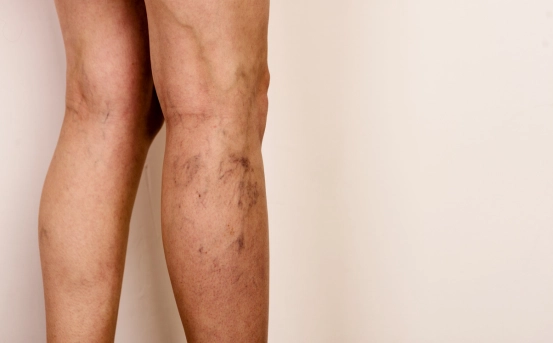
- Visible Blue or Purple Discolouration :- One of the hallmark features of venous tumours is a bluish or purplish mark on the skin. This happens because the tumour consists of veins close to the skin surface, filled with deoxygenated blood.
- The discolouration may be flat or raised
- It may become darker when the area is dependent (e.g., legs hanging down)
- Colour may intensify with physical activity, heat, or pressure
This visible sign often leads people to seek medical help.
- Soft, Compressible Lump :- The presence of a soft, compressible mass is another typical symptom. The tumour may
- Feel like a spongy lump under the skin
- Flatten when pressure is applied
- Reappear once pressure is released
This compressibility is a key diagnostic clue, helping differentiate venous tumours from other growths such as cysts or lipomas.
- Swelling in the Affected Area :- Venous tumours can restrict normal blood flow or collect blood, leading to swelling. Swelling may vary throughout the day
- Worsens during physical activity
- Increases with prolonged standing or sitting
- Improves with rest or elevation
In areas like the limbs, swelling may also cause tightness and discomfort.
- Pain or Tenderness :- Pain is one of the most concerning symptoms of venous tumours, especially when the tumour is large or located deep within the tissue.
Pain may be
- Dull or aching due to blood pooling
- Sharp if nerves are compressed
- Activity-related and worsens with movement
- More noticeable in cold weather or early in the morning
Some people experience chronic pain, which can affect daily activities and quality of life.
- Functional Impairment :- Venous tumours located near joints, muscles, or vital organs may limit function. Patients may experience
- Reduced joint mobility (e.g., elbow, knee, or finger involvement)
- Difficulty walking or lifting
- Muscle weakness
- Restricted range of motion
In severe cases, venous tumours can interfere with normal organ function, depending on their location.
- Bleeding or Ulceration (Rare but Serious) :- If the tumour lies close to the skin surface, minor trauma can cause
- Bleeding
- Skin breakdown
- Open sores (ulcers)
Ulcers are at high risk of infection and require urgent medical treatment.
- Clot Formation in the Tumour (Localized Thrombosis) :- Venous tumours may develop small blood clots within the malformed veins. Symptoms include
- Sudden increase in pain
- Hardening in part of the tumour
- Warmth or redness in the area
Although these clots are usually confined to the tumour itself, they can be painful and require medical evaluation.
- Cosmetic Concerns :- For many individuals, appearance changes are the first noticeable symptom. These may include
- Visible discoloration
- Asymmetry in facial or limb appearance
- Bulging or distorted contour
Cosmetic concerns alone are often enough reason to seek medical advice, especially when the tumour is on the face, neck, or another prominent area.
Symptoms Based on Location
Skin and Soft Tissue
- Blue patches
- Puffy swelling
- Tender lumps
Limbs
- Pain with walking
- Swelling after long standing
- Limited joint movement
Face or Neck
- Visible bulging
- Speech or swallowing difficulty (if deeper structures involved)
Internal Organs :- When venous tumours occur in organs like the liver or gastrointestinal tract, symptoms may be subtle and include
- Abdominal discomfort
- Digestive issues
- Functional interference
When Should You See a Doctor?
Seek medical evaluation if you notice
- A persistent blue or purple skin patch
- A compressible lump that changes size
- Unexplained swelling or pain
- Limited movement due to a lump
- Sudden changes such as bleeding or ulceration
Early diagnosis allows for effective treatment using methods such as sclerotherapy, laser therapy, surgery, or interventional radiology procedures.
How Are Venous Tumours Diagnosed?
Doctors may recommend
- Ultrasound (first-line imaging to assess blood flow)
- MRI (to understand depth and size)
- CT Scan (for complex cases)
- Doppler studies
These imaging tests help differentiate venous tumours from other vascular or soft-tissue abnormalities.
Conclusion
Venous tumours are typically benign but can cause significant symptoms ranging from cosmetic concerns to pain, swelling, and functional impairment. Early recognition of the symptoms of venous tumours ensures timely intervention and better outcomes. If you suspect a venous tumour, consult a vascular specialist or dermatologist for a proper evaluation.