Introduction
ZSR circumcision stapler surgery has rapidly become one of the most advanced and preferred techniques for male circumcision due to its precision, safety, and shorter recovery time. Along with the ZSR stapler, a surgery assist device is often used to ensure proper alignment, accurate cutting, and controlled tissue compression. While the procedure is known for its minimally invasive nature and excellent cosmetic outcomes, many patients still wonder about the symptoms they may experience after the surgery, and how the assist device affects healing.
What Is the ZSR Circumcision Stapler Surgery ?
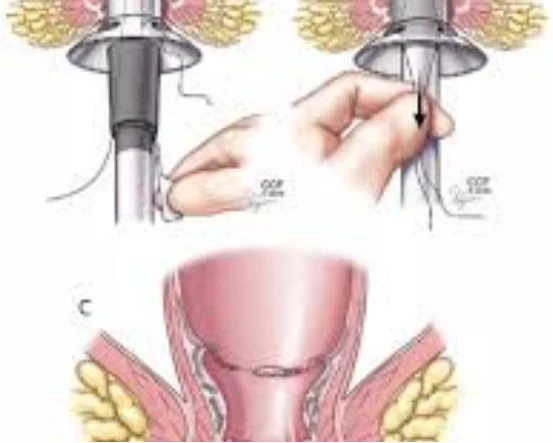
The ZSR circumcision stapler is a disposable surgical instrument that cuts the foreskin and seals the wound simultaneously using a circular stapling mechanism. To enhance accuracy, surgeons often use an assist device a supportive accessory that ensures proper placement of the stapler, reduces operative time, and minimizes complications.
The assist device helps in
- Stabilizing the foreskin during surgery
- Ensuring adequate tissue compression
- Providing accurate cutting lines
- Reducing bleeding
- Achieving precise wound closure
Though the device improves the overall safety profile, patients may still experience certain post-surgical symptoms, which are usually part of the natural healing process.
Normal Symptoms of ZSR Circumcision Stapler Surgery
- Mild to Moderate Pain or Discomfort :- Pain is one of the most common symptoms after surgery. Most patients experience mild swelling and tenderness around the incision site, especially during the first 24–48 hours. The assist device helps minimize trauma, but some discomfort is expected as the tissues adjust and begin healing.
- Swelling Around the Glans :- Post-operative swelling is completely normal. The ZSR stapler and assist device compress the tissue to reduce bleeding, which may temporarily restrict lymphatic drainage. Swelling usually peaks within two to three days and gradually reduces over the following week.
- Bruising or Skin Discoloration :- Some patients notice purple or bluish discoloration around the penis head or along the incision line. This minor bruising results from instrument pressure during surgery and typically fades within 7–10 days.
- Presence of Staple Rings or Crust Formation :- Since the ZSR device uses a circular stapling mechanism, a ring of staples may remain temporarily in place. As healing progresses, patients may also observe yellowish scabs or crusts, which are signs of normal wound healing.
- Minor Bleeding or Spotting :- A small amount of bleeding or spotting especially after movement, an erection, or cleaning is common during the early recovery phase. The assist device helps reduce major bleeding, but tiny blood vessels can still ooze slightly.
- Clear or Slightly Yellow Fluid Discharge :- A thin, clear, or pale-yellow fluid discharge can appear as the wound heals. This is not pus and is usually a sign of normal tissue recovery.
Symptoms Caused by the Assist Device’s Compression Effect
The surgical assist device applies controlled pressure to ensure clean cutting and proper sealing. This compression can lead to specific temporary symptoms, such as
- Ring-Shaped Indentations :- Some patients may notice circular marks or indentations where the assist device was placed. These marks gradually resolve within a few days.
- Temporary Numbness :- Mild numbness or reduced sensation in the surrounding skin may occur due to compression during surgery. Sensation typically returns to normal within 1–3 weeks.
- Feeling of Tightness :- Because the foreskin is removed and tissues are sealed using the stapler, tightness around the glans is common. This improves as swelling reduces and the wound heals.
Possible Warning Symptoms After ZSR Circumcision
While most symptoms are harmless and short-lived, some signs may indicate complications. Contact your healthcare provider if you notice:
- Increasing Redness or Spreading Swelling :- A gradual decrease in swelling is expected. However, increasing or spreading redness may be a sign of infection and requires medical attention.
- Thick, Foul-Smelling Discharge :- If the discharge becomes thick, greenish, or foul-smelling, this may indicate a bacterial infection.
- Persistent Bleeding :- Continuous bleeding, especially if soaking through dressings, is not normal and needs immediate evaluation.
- Severe Pain or Pain After Days of Improvement :- Pain that worsens after initially decreasing could be a sign of infection, tight wound closure, or other complications.
- Retention of the Staple Ring Beyond Two Weeks :- In many patients, the staple ring naturally falls off within 7–14 days. If it persists longer or seems stuck, a doctor should evaluate it.
- Fever or Systemic Symptoms :- Fever, chills, or fatigue combined with local symptoms can indicate infection.
How to Manage Symptoms and Speed Up Healing
To ensure smooth recovery, follow these tips
- Keep the surgical site clean and dry
- Wear loose-fitting underwear
- Avoid strenuous activities for a week
- Take prescribed antibiotics or pain medications
- Use antiseptic ointments only if recommended
- Avoid sexual activity or masturbation until fully healed
- Monitor for abnormal symptoms
Following your surgeon’s guidelines ensures quicker healing and reduces risks.
When to Consult a Surgeon?
If you notice any alarming symptoms or if swelling, pain, or bleeding worsens instead of improving, seek medical advice promptly. Early evaluation helps prevent complications and ensures optimal healing.
Conclusion
The ZSR circumcision stapler surgery assist device enhances the precision, speed, and safety of modern circumcision procedures. Most symptoms experienced after surgery including swelling, mild pain, discoloration, or temporary numbness are part of the normal healing cycle. However, staying aware of warning signs helps ensure timely intervention if complications arise. By understanding these symptoms and maintaining proper post-operative care, patients can expect smooth recovery and excellent cosmetic outcomes.