Bell’s Palsy is a sudden, temporary weakness or paralysis of the facial muscles, often affecting one side of the face. This neurological condition occurs when the facial nerve (cranial nerve VII) becomes inflamed or compressed, disrupting its function. The result can be alarming drooping of the face, difficulty closing the eye, and problems with speech or eating. Fortunately, with the right treatment, many individuals recover fully.
Understanding Bell’s Palsy Before Treatment
Before diving into treatment for Bell’s Palsy, it’s crucial to understand the condition’s nature. Bell’s Palsy is often idiopathic, meaning its exact cause is unknown, but it’s strongly linked to viral infections such as the herpes simplex virus. Other contributing factors may include diabetes, stress, immune disorders, and upper respiratory tract infections.
Symptoms usually appear suddenly and peak within 48 to 72 hours. While some patients may recover without any treatment, timely medical intervention significantly improves outcomes and prevents complications such as long-term facial weakness or abnormal nerve regeneration.
Immediate Medical Assessment
The first step in the treatment for Bell’s Palsy is a thorough medical evaluation. A neurologist or general physician typically diagnoses the condition based on symptoms and physical examination. In some cases, additional tests like MRI or CT scans may be recommended to rule out stroke or tumors.
Prompt diagnosis is essential because early intervention within the first 72 hours can drastically improve the effectiveness of treatment, especially with corticosteroid therapy.
Medication-Based Treatment for Bell’s Palsy
- Corticosteroids :- Corticosteroids are the cornerstone of Bell’s Palsy treatment. Prednisolone or prednisone is usually prescribed to reduce inflammation of the facial nerve. Studies show that if started within 72 hours of symptom onset, corticosteroids can significantly improve recovery chances.
- Dosage :- Typically, patients are given a high dose for the first few days, followed by a tapering schedule over 7–10 days.
- Benefits :- Reduces nerve swelling, speeds up facial function recovery, and minimizes nerve damage.
- Antiviral Medications :- Although the use of antiviral drugs like acyclovir or valacyclovir is somewhat controversial, they may be prescribed alongside corticosteroids if a viral cause (especially herpes simplex) is suspected.
- When used :- Usually administered within 3 days of symptom onset.
- Note :- Alone, antivirals are not as effective; they’re typically beneficial when combined with steroids.
- Pain Relievers :- Bell’s Palsy can sometimes cause pain behind the ear or jaw. Over-the-counter painkillers like ibuprofen or acetaminophen help manage discomfort during the acute phase
Non-Medical and Supportive Treatments
- Physical Therapy and Facial Exercises :- Physical therapy plays a critical role in the treatment for Bell’s Palsy. While medication addresses the underlying inflammation, physiotherapy promotes muscle coordination and prevents long-term stiffness or atrophy.
- Exercises include :- Blinking, eyebrow raising, smiling, frowning, and lip pursing.
- Massage :- Gentle facial massage improves circulation and nerve stimulation.
- Benefits :- Helps retrain facial muscles and promotes symmetrical movement.
- Protecting the Eye :- When the facial muscles weaken, patients often can’t fully close their eyes, increasing the risk of dryness, irritation, or corneal ulcers.Eye care includes:
- Lubricating eye drops (artificial tears) during the day.
- Protective eye ointment at night.
- Wearing an eye patch or taping the eye shut while sleeping.
This aspect of treatment is vital to prevent long-term damage to the eye and maintain vision health during recovery.
- Speech and Occupational Therapy :- In severe cases, where speech and eating are affected, a speech-language therapist can assist in restoring normal facial and oral functions. Occupational therapy may also be recommended for daily function training.
Surgical Options: A Last Resort
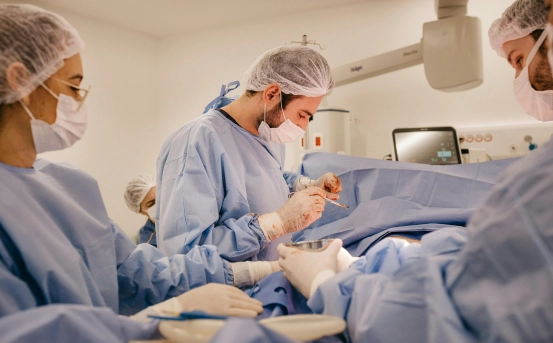
Surgery is rarely used in the treatment for Bell’s Palsy and is typically reserved for long-term cases where nerve compression persists or if there’s no recovery after several months.
- Decompression Surgery :- Relieves pressure on the facial nerve but carries risks.
- Nerve Grafting or Muscle Transfer :- Considered in permanent facial paralysis.
Surgical intervention is complex and only undertaken after careful evaluation by a facial nerve specialist or neurosurgeon.
Recovery Timeline and Prognosis
Most individuals with Bell’s Palsy begin to see improvement within two to three weeks, with full recovery often occurring within three to six months. However, recovery can vary depending on:
- The severity of nerve damage
- Age and overall health
- How early treatment began
About 70–85% of patients experience full recovery. However, 10–15% may have lingering effects, such as facial asymmetry, twitching, or tightness. Early and consistent treatment improves long-term outcomes dramatically.
Self-Care and Lifestyle Tips
Beyond clinical treatment for Bell’s Palsy, adopting a healthy lifestyle and self-care routine can aid in faster healing:
- Eat a balanced diet rich in vitamins B12, B6, and omega-3 fatty acids.
- Avoid stress, as it may exacerbate nerve inflammation.
- Stay hydrated and get enough rest to support nerve repair.
- Limit caffeine and alcohol, which may interfere with medications or nerve healing.
Patience is key. Staying positive and consistent with therapy leads to the best outcomes.
Conclusion
Bell’s Palsy, though frightening at first, is a treatable condition with a high recovery rate. Early medical intervention with corticosteroids, combined with supportive therapies like physical therapy, eye protection, and lifestyle modifications, forms the foundation of effective treatment for Bell’s Palsy.
By understanding the available treatment options and acting promptly, individuals can regain full facial function and return to their daily lives with confidence. If you or someone you know is experiencing symptoms, don’t delay consult a healthcare provider immediately to begin the path to recovery.