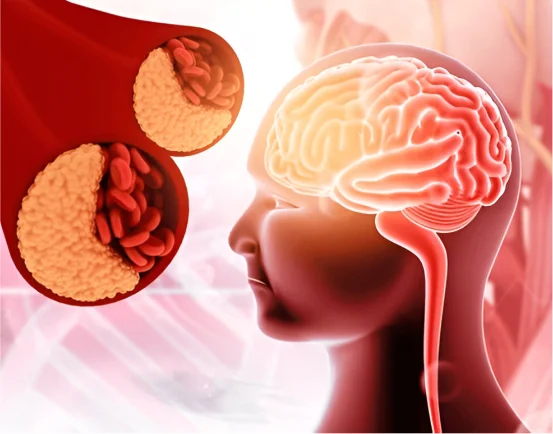
Deep Vein Thrombosis (DVT) is a serious medical condition that occurs when a blood clot (thrombus) forms in a deep vein, usually in the legs. If left untreated, DVT can lead to life-threatening complications like pulmonary embolism. Early diagnosis and appropriate treatment are critical to prevent complications and improve recovery outcomes.
Understanding Treatment for Deep Vein Thrombosis
Before exploring the treatments, it’s important to understand what DVT involves. Deep veins carry blood from the limbs back to the heart. When a clot forms in these veins, it can block normal blood flow, causing pain, swelling, redness, and warmth in the affected leg.
DVT most commonly occurs in the lower limbs, such as the thigh or calf. However, it can also develop in other parts of the body. Prompt treatment reduces the risk of the clot traveling to the lungs, a condition known as pulmonary embolism (PE) which is potentially fatal.
Goals Treatment for Deep Vein Thrombosis
The main objectives of DVT treatment include:
- Preventing clot growth
- Reducing the risk of pulmonary embolism
- Preventing new clots from forming
- Minimizing long-term complications like post-thrombotic syndrome
A multi-disciplinary approach is often required, involving vascular specialists, hematologists, and primary care physicians.
- Anticoagulant Medications (Blood Thinners)First-Line Treatment :- Anticoagulants are the cornerstone of DVT treatment. These medications prevent the clot from getting larger and reduce the risk of new clots forming. They do not dissolve existing clots but allow the body to reabsorb them naturally over time.Common anticoagulants include:
- Heparin :- Usually given intravenously or via injection. Fast-acting and often used in hospitals.
- Warfarin (Coumadin) :- An oral anticoagulant requiring regular blood tests to monitor INR levels.
- Direct Oral Anticoagulants (DOACs) :- Include rivaroxaban, apixaban, and dabigatran. These are more convenient than warfarin as they don’t usually require monitoring.
Treatment duration can range from 3 to 6 months or longer, depending on whether the DVT is provoked (by surgery or trauma) or unprovoked.
- Thrombolytic Therapy (Clot Busters) :- In cases of severe or life-threatening DVT, such as those involving phlegmasia cerulea dolens or when there’s a high risk of pulmonary embolism, thrombolytic therapy may be recommended.This involves the use of drugs like TPA (tissue plasminogen activator) to break down clots quickly. These are delivered intravenously or through a catheter placed directly into the clot.Key Considerations:
- Used only in high-risk patients due to increased bleeding risk
- Requires hospitalization and close monitoring
- Compression Therapy :- Compression stockings are an important non-invasive method to support recovery and prevent complications. These stockings apply graduated pressure to the leg, which helps:
- Reduce leg swelling and pain
- Improve blood flow
- Decrease risk of post-thrombotic syndrome (PTS) a condition marked by chronic pain, swelling, and discoloration
Patients are usually advised to wear these stockings daily for at least two years after diagnosis.
- Inferior Vena Cava (IVC) Filter :- In cases where anticoagulants cannot be used (e.g., due to high bleeding risk), a temporary IVC filter may be inserted into the inferior vena cava, the large vein that carries blood from the lower body to the heart. Purpose:
- Prevents clots from traveling to the lungs
- Does not treat the existing clot or prevent new clots
IVC filters are generally used as a short-term solution and are removed once the patient can safely start anticoagulation therapy again.
- Surgical Thrombectomy :- In rare cases where the clot is very large, causing severe symptoms or threatening limb loss, surgical removal of the clot (thrombectomy) might be performed. This is a more invasive option and is typically reserved for:
- Patients who cannot receive clot-dissolving drugs
- Those with massive DVT or failing other treatments
Modern techniques include mechanical thrombectomy using special catheters that physically break up and remove the clot with minimal invasiveness.
- Long-Term Management and Lifestyle Modifications :- Treating DVT doesn’t end after the clot is managed. Preventing recurrence and reducing long-term damage is critical.
- Continued Medication :- Some individuals may need long-term anticoagulation, especially if they have:
- A history of multiple DVTs
- Underlying blood clotting disorders
- Cancer-related DVT
- Lifestyle Recommendations
- Stay Active :- Prolonged immobility is a major risk factor. Regular movement helps prevent blood pooling in the legs.
- Weight Management :- Obesity increases DVT risk and recurrence.
- Stay Hydrated :- Dehydration thickens the blood and raises clot risk.
- Avoid Smoking :- Tobacco use negatively affects blood vessels and circulation.
- Travel Tips :- For those with a DVT history, long-distance travel poses a risk. It’s advised to:
- Move legs regularly during flights
- Wear compression stockings
- Stay well-hydrated
- Monitoring and Follow-Up
After the initial treatment phase, regular follow-up is essential. This includes:- Blood tests (especially if on warfarin)
- Ultrasound scans to monitor clot resolution
- Consultations with vascular specialists or hematologists
- Assessing for signs of post-thrombotic syndrome
Monitoring ensures therapy is effective and adjusts the plan based on how the patient responds.
Conclusion
Deep Vein Thrombosis is a potentially life-threatening condition, but with the right treatment approach, patients can recover well and lead a healthy life. Whether managed with medications, interventions, or lifestyle changes, the goal is always to prevent complications, improve blood flow, and avoid recurrence.
Early diagnosis and adherence to treatment protocols play a vital role in the successful treatment for deep vein thrombosis. If you suspect symptoms or have risk factors, don’t delay seek medical attention promptly.