Introduction
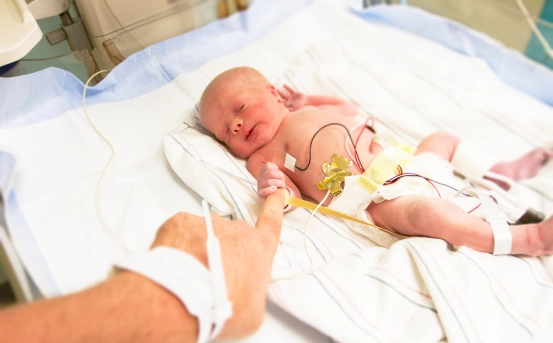
The Neonatal Intensive Care Unit (NICU) is a specialized unit designed to provide comprehensive care for critically ill newborns, especially premature infants or those with serious medical conditions. The Advanced NICU represents a higher level of neonatal care, incorporating state-of-the-art technology, highly trained staff, and advanced treatment protocols to ensure the best outcomes for vulnerable newborns. Treating newborns in an Advanced NICU requires a multi-faceted approach, combining medical expertise, innovative equipment, and personalized care.
What is an Advanced NICU?
An Advanced NICU is an upgraded version of a standard neonatal care unit that provides intensive monitoring and specialized treatment for newborns with critical health issues. These units are equipped with cutting-edge technologies like ventilators, incubators, infusion pumps, and advanced imaging systems. They cater to premature babies, those with congenital disorders, infections, respiratory distress, or low birth weight. Advanced NICUs are staffed by highly trained neonatologists, pediatric nurses, respiratory therapists, and other specialists who work round-the-clock to provide life-saving interventions.
Key Treatment of Advanced NICU
Treatment in an Advanced NICU is tailored to the specific condition of each newborn. Here are some of the most common interventions
- Respiratory Support :- Premature or critically ill babies often face respiratory distress due to underdeveloped lungs. Advanced NICUs provide respiratory support through
- Mechanical ventilation: Assists or fully controls the baby’s breathing.
- CPAP (Continuous Positive Airway Pressure): Keeps the lungs inflated and improves oxygenation.
- High-flow nasal cannula therapy: Delivers humidified oxygen to maintain stable breathing.
These interventions help prevent complications such as bronchopulmonary dysplasia and ensure the baby’s organs receive adequate oxygen.
- Nutritional Support :- Newborns in the NICU often cannot feed orally and require specialized nutritional support to promote growth and development. Treatments include
- Parenteral nutrition (IV feeding): Supplies essential nutrients directly into the bloodstream.
- Tube feeding (Gavage feeding): Delivers milk directly into the stomach for babies unable to suckle.
- Fortified breast milk: Provides additional calories and nutrients to meet the needs of premature infants.
Proper nutritional support ensures that babies gain weight, develop immunity, and strengthen organ systems while under intensive care.
- Infection Control :- Neonates have underdeveloped immune systems, making them highly susceptible to infections. Advanced NICUs implement strict infection control measures, including
- Sterile procedures during medical interventions.
- Regular monitoring of vital signs and lab tests to detect early signs of infection.
- Administration of antibiotics or antivirals based on culture reports and clinical assessment.
Preventing and managing infections is crucial to improving survival rates and reducing long-term complications.
- Cardiovascular Support :- Some newborns may have congenital heart defects or develop circulatory issues due to prematurity or illness. Treatments include
- Medications to regulate blood pressure and heart function.
- Cardiac monitoring to detect irregularities.
- Surgical interventions when necessary, performed in collaboration with pediatric cardiac specialists.
Advanced NICUs ensure that babies with heart issues receive timely and precise care to stabilize their condition.
- Neurological Care :- The developing brain is highly sensitive in newborns, especially in preterm infants. Advanced NICUs provide
- Continuous monitoring of neurological status.
- Treatment for seizures or hypoxic-ischemic encephalopathy (brain injury due to lack of oxygen).
- Early intervention therapies such as physiotherapy to support motor and cognitive development.
Early neurological care can significantly reduce the risk of developmental delays or long-term disabilities.
- Temperature and Environmental Control :- Premature infants have difficulty regulating body temperature. Advanced NICUs use
- Incubators to maintain optimal warmth.
- Controlled humidity systems to prevent dehydration.
- Light and noise regulation to mimic the natural womb environment and reduce stress.
Maintaining an optimal environment supports the baby’s growth, reduces complications, and improves overall comfort.
Advanced Technologies in NICU
Advanced NICUs integrate cutting-edge medical technologies to enhance care quality. Some examples include
- Neonatal ventilators for precise respiratory support.
- Infusion pumps for accurate administration of medications and fluids.
- Non-invasive monitoring systems to track oxygen saturation, heart rate, and blood pressure.
- Advanced imaging (ultrasound, MRI) for early diagnosis of congenital conditions.
These tools allow medical teams to intervene promptly and accurately, improving survival rates and long-term outcomes.
The Role of a Multidisciplinary Team
Effective treatment in an Advanced NICU relies on a collaborative approach involving
- Neonatologists: Lead the medical care plan and make critical treatment decisions.
- Pediatric nurses: Provide round-the-clock care, monitor vital signs, and administer treatments.
- Respiratory therapists: Manage ventilators and oxygen therapy.
- Dietitians: Ensure optimal nutrition for growth and development.
- Pharmacists and lab specialists: Support accurate medication dosing and diagnostic monitoring.
The combined expertise of this team ensures comprehensive care for each newborn, addressing all medical, nutritional, and developmental needs.
Family-Centered Care
An Advanced NICU also emphasizes family-centered care, recognizing the emotional and psychological needs of parents. Programs may include
- Parental involvement in care routines, like kangaroo care (skin-to-skin contact).
- Counseling and support groups to cope with stress and anxiety.
- Regular updates and education about the baby’s condition and treatment plan.
Involving families in the care process improves bonding, reduces parental stress, and positively impacts the baby’s recovery.
Conclusion
The treatment of newborns in an Advanced NICU is a delicate and highly specialized process. It combines advanced medical technologies, evidence-based treatment protocols, and a multidisciplinary care team to address the critical needs of fragile infants. Early intervention, meticulous monitoring, and personalized care can significantly improve survival rates and long-term health outcomes for these vulnerable patients.
Advanced NICUs are not just treatment centers, they are lifelines for newborns facing life-threatening conditions. Hospitals with such facilities play a pivotal role in saving lives, supporting families, and advancing neonatal medicine through research and innovation.