Introduction
Anal cancer is a relatively rare but serious condition that requires timely diagnosis and appropriate treatment for the best possible outcomes. With advancements in oncology, patients today have access to highly effective therapies that not only target the cancer cells but also help preserve normal anal function.
Understanding Anal Cancer
Anal cancer develops in the tissues of the anal canal the short passage at the end of the rectum through which stool leaves the body. Most anal cancers are linked to human papillomavirus (HPV) infection, though factors like smoking, weakened immunity, and age also increase risk. Early detection through physical exams, imaging, and biopsy significantly improves the chances of successful treatment.
Primary Treatment Of Anal Cancer
The treatment strategy for anal cancer depends on factors such as the cancer stage, size of the tumor, whether lymph nodes are affected, and the patient’s overall health. The most common treatment approaches include
- Chemoradiation Therapy (CRT) :- Chemoradiation, a combination of chemotherapy and radiation therapy is the primary and most successful treatment for anal cancer. It is considered the standard approach for most early and locally advanced cases.
How Chemoradiation Works
- Radiation therapy uses high-energy beams to destroy cancer cells.
- Chemotherapy, typically involving drugs like 5-fluorouracil (5-FU) and mitomycin C, enhances the effect of radiation and targets cancer cells throughout the body.
Benefits of Chemoradiation
- High success rate in eliminating the tumor
- Allows preservation of anal sphincter function
- Avoids immediate need for major surgery
Most patients see significant improvement within weeks of treatment, and complete tumor eradication often occurs within 8–12 weeks.
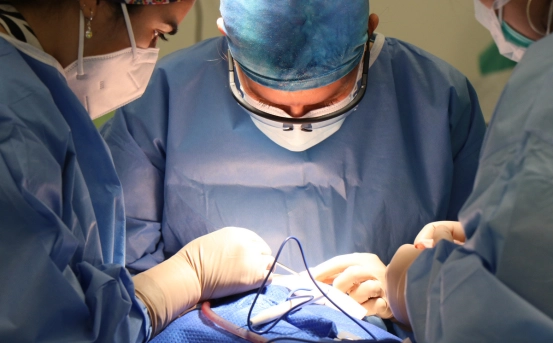
- Surgery for Anal Cancer :- Surgery is typically recommended only when chemoradiation is not successful or for small tumors located in specific areas.
- Local Excision :- This is suitable for very early-stage anal cancer, particularly small tumors that haven’t spread deeper. The surgeon removes the tumor with a small margin of healthy tissue while preserving anal function.
- Abdominoperineal Resection (APR) :- If the tumor does not respond to chemoradiation or if the cancer recurs, APR surgery may be necessary. It involves removal of the anus, rectum, and part of the sigmoid colon, followed by creation of a permanent colostomy.
Though extensive, APR is a life-saving procedure performed when other treatments fail.
- Immunotherapy and Targeted Therapy :- For advanced or metastatic anal cancer, newer treatment approaches like immunotherapy are emerging as promising options.
- Immunotherapy :- Drugs like nivolumab and pembrolizumab help the immune system identify and attack cancer cells. This is especially helpful for
- Patients where cancer has spread to distant organs
- Cases resistant to conventional chemoradiation
- Patients with specific genetic markers (PD-L1 expression or MSI-high tumors)
- Targeted Therapy :- Targeted drugs focus on specific molecular pathways involved in cancer growth. While research is ongoing, targeted therapy is sometimes used in combination with other treatments for advanced disease.
Treatment by Stage: What to Expect
- Stage I–III Anal Cancer :- Most patients undergo chemoradiation as first-line treatment. The goal is complete tumor removal without major surgery. Follow-up scans determine if further treatment is needed.
- Stage IV Anal Cancer :- If cancer has spread to distant organs (like liver or lungs), treatment focuses on
- Systemic chemotherapy
- Immunotherapy
- Local treatments like radiation for symptom control
The aim is to improve quality of life and extend survival.
Side Effects of Anal Cancer Treatment
While modern therapies are effective, they may cause temporary side effects
Side Effects of Radiation
- Skin irritation around the anus
- Fatigue
- Diarrhea
- Pain during bowel movements
- Temporary urinary issues
Side Effects of Chemotherapy
- Nausea
- Decreased appetite
- Lowered immunity
- Hair thinning
- Mouth sores
Most side effects subside after treatment ends. Doctors may prescribe medication or lifestyle modifications to help reduce discomfort.
Recovery After Treatment
Recovery varies based on the type of treatment received
- After Chemoradiation :- Patients usually resume normal daily activities within a few weeks. Regular follow-ups every 3–6 months help track healing and ensure the cancer does not return.
- After Surgery :- Recovery is longer and may require
- Pain management
- Wound care
- Adapting to a colostomy (if APR was performed)
Many patients find colostomy care easier than expected with proper training.
Success Rates of Anal Cancer Treatment
Anal cancer treatment today offers excellent outcomes
- Chemoradiation cures nearly 80–90% of early-stage cases.
- For locally advanced cancer, success rates range between 60–75%.
- Patients with metastatic disease may experience prolonged survival with immunotherapy and chemotherapy.
Early diagnosis dramatically increases the chances of successful treatment and long-term survival.
Living After Anal Cancer Treatment
Post-treatment care plays a crucial role in maintaining health
- Follow-up exams and imaging every 3–6 months
- HPV vaccination to reduce future cancer risk
- Healthy diet and exercise
- Avoiding smoking
- Managing emotional and psychological well-being
Support groups and counseling can be very helpful during the recovery journey.
Conclusion
Anal cancer, though uncommon, is highly treatable especially when detected early. Modern treatment options like chemoradiation, immunotherapy, and targeted therapy provide excellent chances of cure while preserving quality of life. If you or a loved one is facing anal cancer, consulting an experienced oncologist and starting treatment promptly can make all the difference.