Introduction
An aortic aneurysm is a dangerous condition characterized by a weakened and bulging section of the aorta, the largest artery in the body. If left untreated, an aortic aneurysm can rupture, leading to life-threatening internal bleeding. Understanding the causes, symptoms, and available treatments is critical to preventing severe complications and improving patient outcomes. With advancements in medical technology, timely diagnosis and intervention can save lives and restore normal vascular function.
Understanding Treatment of Aortic Aneurysms
An aortic aneurysm occurs when a portion of the aorta becomes abnormally enlarged due to weakening of the vessel wall. There are primarily two types: thoracic aortic aneurysms (occurring in the chest portion) and abdominal aortic aneurysms (occurring in the abdominal portion). While many aneurysms grow slowly and remain asymptomatic, some may progress rapidly, causing sudden and severe complications. Common risk factors include hypertension, atherosclerosis, genetic conditions, smoking, and age-related degeneration of the vessel wall.
Symptoms to Watch For
Aortic aneurysms often remain silent until they reach a critical size or rupture. Some warning signs include:
- Sudden severe chest, back, or abdominal pain
- Shortness of breath or difficulty swallowing (thoracic aneurysms)
- Pulsating sensation in the abdomen (abdominal aneurysms)
- Low blood pressure and dizziness in case of rupture
Regular checkups and imaging tests like CT scans, MRIs, or ultrasounds are essential for early detection, especially in high-risk individuals.
Diagnostic Approaches
Early detection of an aortic aneurysm significantly improves treatment success. Doctors use a combination of imaging techniques and physical examinations to evaluate the aneurysm’s size, location, and risk of rupture. Key diagnostic methods include:
- Ultrasound: A non-invasive and cost-effective method, often used for abdominal aneurysms.
- Computed Tomography (CT) Scan: Provides detailed images of the aorta to determine aneurysm size and shape.
- Magnetic Resonance Imaging (MRI): Useful for patients who cannot undergo CT scans, offering precise vascular imaging.
- Echocardiography: Primarily used for thoracic aortic aneurysms, assessing the aortic valve and surrounding structures.
Accurate diagnosis is the foundation for deciding the best treatment approach, whether medical management or surgical intervention.
Treatment Options for Aortic Aneurysms
The treatment of aortic aneurysms depends on factors such as aneurysm size, location, growth rate, and the patient’s overall health. There are two primary approaches: medical management and surgical repair.
- Medical Management :- For small aneurysms that are less likely to rupture, doctors may recommend careful monitoring combined with lifestyle modifications and medications. Key strategies include:
- Blood Pressure Control: Medications such as beta-blockers or ACE inhibitors reduce stress on the weakened aorta.
- Cholesterol Management: Statins help prevent further atherosclerotic damage.
- Smoking Cessation: Eliminating tobacco reduces the risk of aneurysm growth and rupture.
- Regular Imaging: Periodic scans track aneurysm size and detect any progression early.
Medical management focuses on slowing aneurysm growth and reducing rupture risk, making it suitable for patients with small or asymptomatic aneurysms.
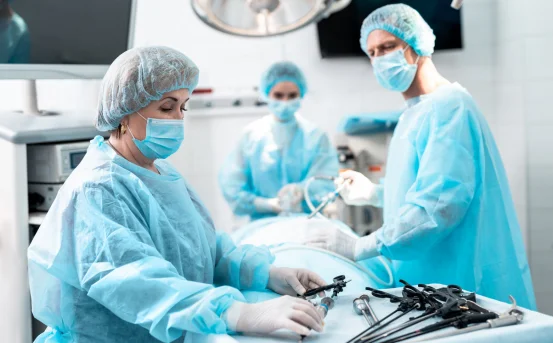
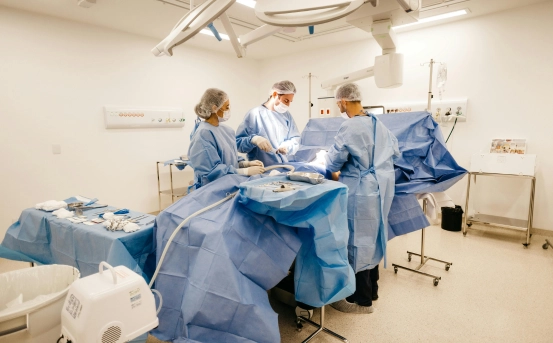
- Surgical Intervention :- Surgery becomes necessary for larger aneurysms, rapid growth, or when the aneurysm is at high risk of rupture. Two main surgical procedures are used:
- Open Surgical Repair :- Open repair involves removing the weakened section of the aorta and replacing it with a synthetic graft. This method has been used for decades and provides durable results. Key points:
- Requires general anesthesia and hospital stay of 7–10 days.
- Recovery may take several weeks to months, depending on overall health.
- Best suited for patients with aneurysms in accessible locations and good surgical fitness.
- Endovascular Aneurysm Repair (EVAR) :- EVAR is a minimally invasive technique involving the insertion of a stent-graft through the femoral artery to reinforce the aorta internally. Benefits include:
- Reduced recovery time and shorter hospital stay.
- Lower risk of immediate postoperative complications compared to open surgery.
- Suitable for patients at higher surgical risk due to age or comorbidities.
The choice between open repair and EVAR depends on aneurysm location, size, and patient-specific factors. In some cases, a hybrid approach combining open and endovascular techniques may be considered.
Lifestyle and Post-Treatment Care :- Post-treatment care is vital to ensure long-term success and prevent complications. Patients are advised to:
- Maintain healthy blood pressure and cholesterol levels.
- Engage in moderate exercise, avoiding heavy lifting that can stress the aorta.
- Follow up regularly with imaging scans to monitor graft integrity or residual aneurysms.
- Adopt a heart-healthy diet rich in fruits, vegetables, and lean proteins.
Adherence to lifestyle modifications and medical advice can significantly enhance recovery and reduce the risk of recurrent aneurysms.
Innovations in Aortic Aneurysm Treatment :- Advances in vascular medicine have transformed aortic aneurysm treatment. Some innovations include:
- Customized 3D-Printed Grafts: Tailored to patient-specific aortic anatomy for optimal outcomes.
- Minimally Invasive Techniques: Reducing recovery time and surgical trauma.
- Genetic Screening: Identifying high-risk individuals for preventive monitoring.
- Advanced Imaging Technology: Enhanced precision in diagnosis and treatment planning.
These developments have improved survival rates and quality of life for patients undergoing aneurysm repair.
When to Seek Immediate Medical Attention
A ruptured aortic aneurysm is a medical emergency. Symptoms may include sudden severe pain, rapid heart rate, loss of consciousness, and low blood pressure. Immediate hospitalization and surgical intervention are critical, as survival rates drop significantly without prompt treatment.
Conclusion
Aortic aneurysms are serious vascular conditions that require timely diagnosis and appropriate management. While small aneurysms can often be managed medically, larger or high-risk aneurysms necessitate surgical intervention, either through traditional open repair or minimally invasive EVAR. Early detection, proper monitoring, and adherence to lifestyle and medical recommendations are essential for optimal outcomes.
With the support of advanced diagnostics, expert surgical techniques, and post-treatment care, patients with aortic aneurysms can lead healthy lives while minimizing the risk of rupture. Regular checkups, awareness of symptoms, and immediate medical attention when needed remain the cornerstone of effective aortic aneurysm management.