Introduction
Heart diseases remain one of the leading causes of mortality worldwide. Over the years, advancements in medical science have made it possible to treat cardiac conditions with minimal risk and improved outcomes. One such revolutionary procedure is Beating Heart Surgery, also known as Off-Pump Coronary Artery Bypass Surgery (OPCAB). Unlike traditional heart surgeries, this technique allows surgeons to operate on the heart while it continues to beat, reducing complications and enhancing recovery.
Understanding Beating Heart Surgery
Beating Heart Surgery is a procedure designed to treat coronary artery blockages without stopping the heart or using a heart-lung machine. Traditional coronary artery bypass grafting (CABG) involves temporarily halting the heart and relying on cardiopulmonary bypass to circulate blood. While effective, this method can lead to complications such as inflammation, neurological issues, and prolonged recovery. Beating heart surgery minimizes these risks by allowing the heart to continue pumping naturally throughout the procedure. Surgeons use specialized stabilizing devices to immobilize small areas of the heart where they are working, ensuring precision while maintaining overall cardiac function.
Who Can Benefit from Beating Heart Surgery?
Beating heart surgery is particularly suitable for
- Patients with coronary artery disease who require bypass surgery.
- High-risk individuals, including those with diabetes, kidney problems, or lung conditions.
- Elderly patients, who may face complications from prolonged heart-lung machine use.
- Patients with multiple comorbidities, for whom traditional surgery carries a higher risk.
The decision depends on individual medical evaluations, heart condition, and overall health profile. Cardiologists and cardiac surgeons assess the severity of artery blockages and determine whether a beating heart approach is the safest option.
Advantages of Beating Heart Surgery
Beating heart surgery offers several benefits over traditional CABG procedures
- Reduced Risk of Complications :- By avoiding the heart-lung machine, patients face a lower risk of stroke, kidney dysfunction, and cognitive decline.
- Shorter Recovery Time :- Patients typically experience less postoperative pain and can return to daily activities more quickly.
- Minimized Blood Loss :- Since the heart continues to function naturally, blood transfusion requirements are often reduced.
- Less Inflammation :- Avoiding cardiopulmonary bypass prevents the body’s inflammatory response, reducing tissue damage.
- Better Outcomes for High-Risk Patients :- Elderly and comorbid patients tolerate the procedure better compared to conventional CABG.
Treatment of Beating Heart Surgery
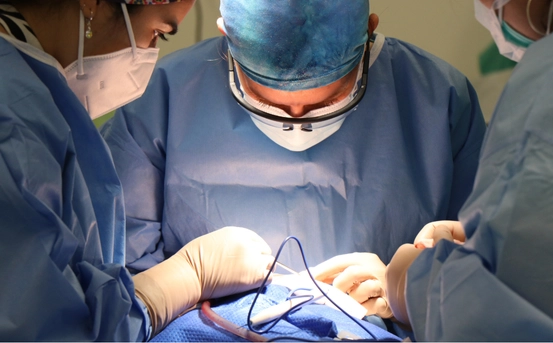
The procedure begins with general anesthesia, ensuring the patient is comfortable throughout. Surgeons make a small incision in the chest to access the heart. Using stabilizing equipment, they immobilize the specific area of the heart where the bypass is needed.
A graft, often taken from the patient’s leg, arm, or chest, is then attached to bypass the blocked coronary artery. This restores normal blood flow to the heart muscle while the heart continues to beat naturally.
Advanced imaging techniques guide surgeons during the operation, ensuring accurate placement of grafts and reducing the risk of complications. The procedure may take a similar amount of time as traditional CABG, but the overall impact on the patient’s body is gentler.
Recovery and Postoperative Care
Recovery from beating heart surgery is generally faster and smoother than traditional heart surgery. Most patients can expect
- Hospital stay :- 4–6 days on average.
- Pain management :- Mild discomfort compared to conventional CABG.
- Physical activity :- Gradual resumption, starting with short walks and light activity.
- Follow-up care :- Regular monitoring by cardiologists to ensure proper healing and heart function.
Patients are encouraged to adopt a heart-healthy lifestyle post-surgery, including a balanced diet, regular exercise, stress management, and adherence to prescribed medications. Lifestyle modifications are crucial for long-term success and prevention of future cardiac events.
Risks and Considerations
While beating heart surgery is considered safer for many patients, it is still major surgery and carries potential risks, including
- Bleeding or infection at the incision site.
- Irregular heart rhythms during or after the procedure.
- Graft failure or incomplete revascularization.
- Rare complications like stroke or heart attack.
It is important for patients to discuss all possible risks and benefits with their cardiac surgeon before proceeding. Proper patient selection is key to maximizing the advantages of this technique.
Innovations in Beating Heart Surgery
The field of cardiac surgery continues to evolve. Innovations in technology, such as robotic-assisted surgery and advanced imaging tools, have enhanced the precision of beating heart procedures.
Robotic systems allow surgeons to perform minimally invasive bypasses through small incisions, reducing trauma and speeding recovery. Meanwhile, intraoperative imaging and navigation systems provide real-time visualization, improving accuracy and safety.
These advancements are making beating heart surgery increasingly accessible and safe for patients who were previously considered high-risk for traditional CABG.
Patient Experiences
Many patients report positive experiences with beating heart surgery, citing shorter recovery times, less postoperative pain, and faster return to normal life. Testimonials often highlight the psychological benefits of avoiding prolonged hospitalization and intensive care recovery associated with conventional heart surgery.
For example, patients in India and globally have shared stories of returning to work, family activities, and daily routines within weeks after surgery, which was previously expected to take months.
Choosing the Right Cardiac Center
Selecting a cardiac center with experienced surgeons is crucial for the success of beating heart surgery. Look for centers that offer
- A dedicated cardiac surgery team.
- Access to advanced surgical equipment and imaging technology.
- Comprehensive preoperative assessment and postoperative care.
- Proven track record of successful beating heart surgeries.
Centers of excellence often provide multidisciplinary care, including cardiologists, anesthesiologists, physiotherapists, and nutritionists, ensuring holistic recovery and long-term heart health.
Conclusion
Beating Heart Surgery represents a significant advancement in cardiac care. By operating on the heart while it continues to beat, this procedure reduces risks, minimizes complications, and accelerates recovery compared to traditional bypass surgery.
For patients with coronary artery disease, particularly those at higher risk or with comorbidities, beating heart surgery provides a safer, effective, and life-changing solution.