Introduction
Bipolar Hemiarthroplasty Surgery is a highly effective orthopedic procedure performed mainly to treat severe hip fractures, especially in elderly patients. It helps restore mobility, reduce pain, and improve the quality of life when other treatments are no longer enough. Over the years, this procedure has become one of the most reliable solutions for hip joint damage, offering long-term comfort and stability.
What Is Bipolar Hemiarthroplasty Surgery?
Bipolar Hemiarthroplasty is a partial hip replacement procedure where the head of the femur (thigh bone) is replaced with an artificial implant. Unlike total hip replacement, this surgery replaces only the damaged femoral head, while the natural socket (acetabulum) is preserved. The implant has two articulating surfaces one inside the artificial head and the other between the artificial head and the natural socket allowing smooth movement with reduced wear. This procedure is commonly used for femoral neck fractures, avascular necrosis, and severe joint damage where bone preservation is possible. It is especially recommended for older patients because it allows early mobilization and faster recovery.
Who Needs Bipolar Hemiarthroplasty?
The surgery is usually recommended when
- A patient has sustained a displaced femoral neck fracture
- Hip bones are damaged due to trauma or osteoporosis
- Non-surgical treatment cannot provide stability or healing
- Pain and mobility restrictions affect day-to-day functioning
- There is a need for a durable and long-term hip solution
Older adults, particularly those above 60, benefit the most from this procedure due to its lower complication rate and quicker rehabilitation.
Treatment of Bipolar Hemiarthroplasty Surgery
- Diagnosis and Pre-Surgical Evaluation :- The treatment begins with clinical evaluation, X-rays, CT scans, and medical history review. Doctors assess the fracture severity, bone quality, and patient health condition to decide whether Bipolar Hemiarthroplasty is the most suitable option.
Before the surgery, patients undergo
- Blood tests
- Cardiac evaluation
- Anesthesia fitness assessment
- Medication review
The goal is to ensure that the patient is medically stable for surgery and anesthesia.
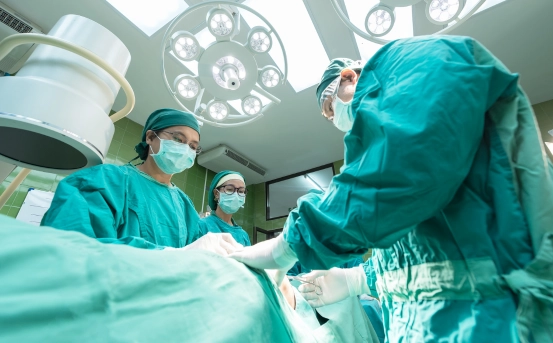
- The Surgical Procedure :- Bipolar Hemiarthroplasty is usually performed under spinal or general anesthesia. The steps include
- Incision: A surgical incision is made near the hip to access the joint.
- Removal of the damaged femoral head: The fractured femoral head is removed carefully.
- Preparation of the femoral canal: The canal is shaped to fit the implant securely.
- Insertion of Bipolar implant: A metallic stem with a bipolar head is inserted into the femur.
- Adjustment and fixation: The implant is aligned to match the natural hip mechanics.
- Closure of the incision: Sutures or staples are applied to seal the wound.
The procedure usually takes 1–2 hours, depending on the patient’s condition.
Post-Surgery Care and Monitoring
After the surgery, monitoring is done in a recovery room or ICU. Pain management, antibiotics, and blood thinners are provided to prevent infections and clots. Early physiotherapy starts within 24 to 48 hours to enhance mobility.
Patients are encouraged to:
- Sit or stand with assistance
- Begin gentle leg movements
- Use a walker for safe walking
- Follow dietary and hydration guidelines
This early movement helps reduce the risk of stiffness and related complications.
Benefits of Bipolar Hemiarthroplasty Surgery
- Faster Mobility and Recover :- Patients can begin walking within days after the surgery, significantly improving their independence.
- Reduced Pain and Discomfort :- The artificial implant eliminates friction between damaged bones, providing long-term pain relief.
- Lower Dislocation Risk :- The bipolar head design allows smooth dual articulation, decreasing the chances of hip dislocation.
- Lesser Wear on Natural Socket :- Unlike unipolar implants, the bipolar design reduces wear on the acetabulum, making it ideal for aging patients.
- Better Long-Term Stability :- The implant is stable and durable, ensuring that patients can resume everyday activities with confidence.
Expected Recovery Timeline
Recovery varies based on age, overall health, and rehabilitation progress. Here’s what most patients experience
- Week 1–2
- Walking with walker support
- Reduced pain with medications
- Beginning physiotherapy sessions
- Week 3–6
- Improved strength and joint movement
- Ability to walk short distances independently
- Gradual return to routine tasks
- Month 3 and Beyond
- Increased mobility and flexibility
- Resuming low-impact activities
- Full weight-bearing on the operated leg
A complete recovery may take 3–6 months depending on individual progress.
Possible Risks and Complications
Although the surgery is safe, some risks may include
- Infection near the incision
- Blood clots
- Implant loosening
- Leg length difference
- Pain or stiffness
- Rare nerve injury
These risks can be minimized by following the surgeon’s advice and regular follow-ups.
Physiotherapy and Rehabilitation
Rehabilitation is one of the most essential parts of the treatment. Physiotherapists provide exercises to
- Strengthen hip and thigh muscles
- Improve flexibility
- Restore normal walking patterns
- Prevent stiffness and contractures
Patients must avoid crossing legs, twisting the hip, or sitting on low chairs during early healing.
Life After Bipolar Hemiarthroplasty
Most patients return to an active lifestyle with improved comfort and mobility. Activities such as walking, light household work, mild exercises, and supervised stretching are encouraged. High-impact activities, excessive bending, and heavy lifting should be avoided to protect the implant.
Regular annual check-ups help monitor implant stability and ensure long-term success.
When to Contact the Doctor
Seek medical help immediately if you notice
- Fever or chills
- Severe hip pain
- Redness, swelling, or discharge at the incision
- Difficulty walking
- Sudden leg shortening or deformity
Early intervention prevents complications.
Conclusion
Bipolar Hemiarthroplasty Surgery is a reliable and effective treatment for severe hip fractures, especially in elderly patients who need fast mobility and lasting comfort. With proper surgical care, rehabilitation, and follow-up, patients can enjoy a pain-free and independent life. Whether it is due to trauma, age-related bone loss, or degenerative conditions, this procedure remains one of the most successful orthopedic treatments available today.