Introduction
Bone and soft tissue cancers, though relatively rare, present unique challenges in diagnosis and treatment. Early detection and a multidisciplinary approach are crucial for effective management, improved survival rates, and enhanced quality of life for patients. Here we will explores the types, symptoms, and advanced option for the treatment of bone and soft tissue cancer, helping patients and families make informed decisions.
Understanding Bone and Soft Tissue Cancer
Bone cancer originates in the bones and is most common in the long bones of the arms and legs. The most frequently diagnosed types include osteosarcoma, chondrosarcoma, and Ewing sarcoma. These cancers can occur at any age, though some, like osteosarcoma, are more common in teenagers and young adults.
Soft tissue sarcomas develop in the connective tissues such as muscles, fat, nerves, blood vessels, or tendons. Examples include liposarcoma, leiomyosarcoma, and synovial sarcoma. Soft tissue sarcomas can appear anywhere in the body, often making early detection challenging.
Common Symptoms
Symptoms often depend on the tumor’s location and size. Key signs to watch for include
- Persistent or unexplained pain in bones or joints
- Swelling or lumps that grow over time
- Fractures with minor injuries (for bone cancers)
- Limited range of motion or stiffness in affected areas
- Fatigue, unexplained weight loss, or fever in advanced cases
Early consultation with a specialist is essential if any of these symptoms persist.
Diagnosis: The First Step Towards Treatment
Accurate diagnosis is the cornerstone of effective treatment. The diagnostic process usually includes
- Medical History and Physical Examination: Understanding symptoms, family history, and risk factors.
- Imaging Tests: X-rays, MRI, CT scans, and PET scans help identify the tumor’s size, location, and possible spread.
- Biopsy: A small tissue sample is examined under a microscope to determine cancer type and grade.
- Molecular Testing: Identifying genetic markers can guide personalized treatment options.
Once diagnosed, treatment planning is typically done by a multidisciplinary team including oncologists, orthopedic surgeons, radiologists, and physiotherapists.
Treatment Options for Bone and Soft Tissue Cancer
Treatment varies based on cancer type, stage, patient age, and overall health. The main approaches include surgery, chemotherapy, radiation therapy, targeted therapy, and immunotherapy.
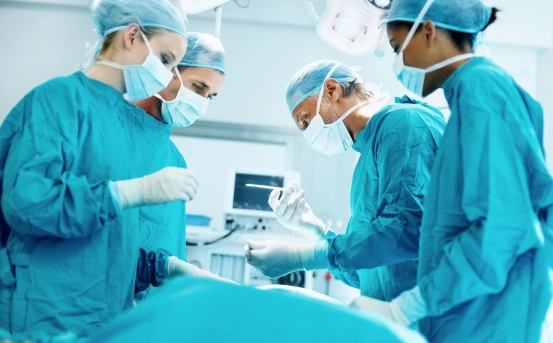
- Surgery :- Surgery is the primary treatment for localized bone and soft tissue tumors. The goal is complete removal of the tumor while preserving as much function as possible.
- Limb-sparing surgery: Preferred for bone cancers in limbs, this approach removes the tumor while maintaining limb functionality.
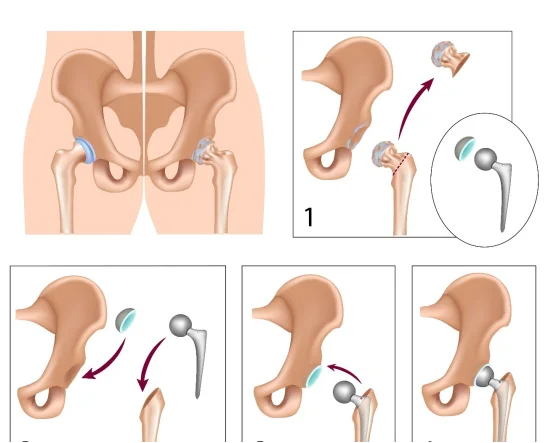
- Reconstructive surgery: After tumor removal, reconstruction using bone grafts, metal implants, or tissue transfers may restore appearance and mobility.
- Amputation: In rare cases where the tumor is extensive, amputation may be necessary, followed by rehabilitation and prosthetics support.
- Chemotherapy :- Chemotherapy uses powerful drugs to kill cancer cells or prevent their growth. It is commonly used
- Before surgery (neoadjuvant chemotherapy) to shrink tumors and facilitate removal
- After surgery (adjuvant chemotherapy) to target residual cancer cells
- In advanced stages to control spread and alleviate symptoms
Chemotherapy protocols differ based on cancer type. Osteosarcoma and Ewing sarcoma, for instance, are highly responsive to multi-drug regimens, improving survival rates significantly.
- Radiation Therapy :- Radiation therapy uses high-energy rays to destroy cancer cells. It is particularly effective for soft tissue sarcomas and bone tumors that are hard to remove surgically.
- External beam radiation: Directs radiation precisely to the tumor site
- Brachytherapy: Internal radiation placed near or inside the tumor
- Preoperative radiation: Shrinks tumors for easier surgical removal
- Postoperative radiation: Reduces recurrence risk after surgery
- Targeted Therapy :- Targeted therapy focuses on specific molecular changes in cancer cells, reducing harm to healthy cells. Drugs like tyrosine kinase inhibitors (TKIs) have shown promise in treating certain sarcomas. This approach is especially valuable for metastatic or recurrent tumors, providing patients with effective options when conventional therapies are limited.
- Immunotherapy :- Immunotherapy harnesses the body’s immune system to fight cancer. While still emerging for bone and soft tissue cancers, it has shown encouraging results in clinical trials. Checkpoint inhibitors, cancer vaccines, and adoptive T-cell therapies are some examples being explored to improve patient outcomes.
Rehabilitation and Supportive Care
Treatment can be physically and emotionally taxing. Comprehensive care includes
- Physical therapy: Helps regain strength, mobility, and daily function after surgery
- Pain management: Medications, nerve blocks, or integrative therapies ease discomfort
- Nutritional support: Ensures adequate nourishment during chemotherapy and recovery
- Psychological counseling: Helps patients and families cope with emotional stress
Rehabilitation is integral to improving long-term quality of life and ensuring that patients regain independence and confidence post-treatment.
Advances in Research and Personalized Medicine
Modern oncology has shifted towards personalized medicine, where treatment is tailored to the patient’s genetic profile and tumor characteristics. Innovations include
- Liquid biopsies for non-invasive monitoring of tumor progression
- Genetic testing to predict treatment response
- 3D surgical planning and robotics for precise tumor removal
- Clinical trials exploring novel drugs and immunotherapies
Patients are encouraged to discuss these options with their oncologists to access cutting-edge treatments.
Prevention and Early Detection
While there are no guaranteed ways to prevent bone and soft tissue cancers, early detection significantly improves outcomes. Strategies include
- Regular check-ups and prompt evaluation of persistent bone or soft tissue pain
- Awareness of family history or genetic predisposition
- Maintaining a healthy lifestyle with balanced diet, exercise, and avoiding carcinogenic exposures
Conclusion
Bone and soft tissue cancers are complex conditions, but advances in surgery, chemotherapy, radiation, targeted therapy, and immunotherapy offer hope. Early detection, personalized treatment plans, and supportive care are key to successful outcomes. Patients should work closely with a multidisciplinary team to navigate treatment and recovery confidently.
By staying informed, seeking timely care, and embracing modern treatment strategies, individuals affected by bone and soft tissue cancers can improve their chances of recovery and lead fulfilling lives.