





Introduction
Colorectal cancer is one of the most common cancers worldwide, but the good news is that it is also one of the most treatable when detected early. With advancements in medical technology, multidisciplinary care, and personalized treatment plans, patients today have more effective options than ever before. Understanding the treatment of colorectal cancer, how they work, and what to expect can empower patients and families to make confident healthcare decisions.
What Is Colorectal Cancer?
Colorectal cancer develops in the colon or rectum, both of which form the final section of the digestive tract. It usually begins as small benign growths known as polyps, which can turn cancerous over time. Risk factors include age, genetics, diet, lifestyle habits, and certain medical conditions such as inflammatory bowel disease. Early stages often show minimal or no symptoms, but signs like blood in stool, persistent abdominal pain, weight loss, or changes in bowel habits should not be ignored. Early diagnosis dramatically improves treatment outcomes.
Treatment Options for Colorectal Cancer
Treatment depends on various factors such as the cancer stage, tumor location, patient health, and spread to other organs. Specialists often use a combination of therapies to ensure maximum effectiveness.
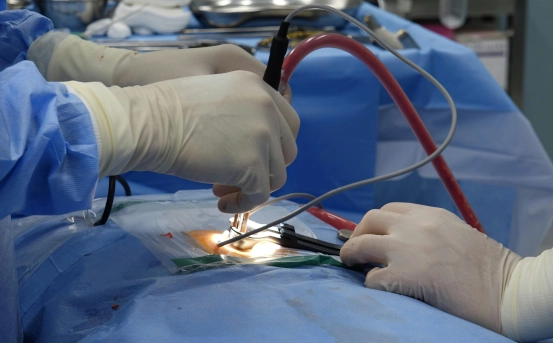
- Surgery :- Surgery is the most common and often the primary treatment for colorectal cancer, especially in the early stages. It involves removing the tumor and the surrounding margins of healthy tissue.
Types of Surgeries Used
- Polypectomy & Local Excision :- Performed during colonoscopy to remove small, localized polyps or early-stage tumors.
- Colectomy (Partial or Total) :- The surgeon removes part or all of the colon containing the cancer. The remaining sections are then reconnected.
- Colostomy :- In rare situations where reconnection isn’t possible immediately, waste is diverted through an opening in the abdomen. This may be temporary or permanent.
- Laparoscopic / Robotic Surgery :- Minimally invasive techniques with faster recovery, less pain, and smaller incisions.
Surgery offers high cure rates for early-stage colorectal cancer and can significantly relieve symptoms in advanced cases.
- Chemotherapy :- Chemotherapy uses drugs to kill cancer cells or prevent them from multiplying. It is used either before surgery (neoadjuvant therapy) to shrink the tumor or after surgery (adjuvant therapy) to eliminate remaining cancer cells.
Common Chemotherapy Regimens Include:
- FOLFOX (5-FU, leucovorin, oxaliplatin)
- CAPOX (capecitabine, oxaliplatin)
- FOLFIRI (5-FU, leucovorin, irinotecan)
Chemotherapy is especially useful for cancers that have spread to lymph nodes or distant organs.
- Radiation Therapy :- Radiation therapy uses high-energy beams to destroy cancer cells. While radiation is used less commonly for colon cancer, it is a crucial treatment for rectal cancer.
Benefits of Radiation Therapy:
- Shrinks tumors before surgery
- Reduces risk of recurrence
- Provides pain relief in advanced cases
Modern radiation techniques like IMRT (Intensity-Modulated Radiation Therapy) target tumors precisely, minimizing damage to healthy tissues.
- Targeted Therapy :- Targeted therapy focuses on specific proteins or genes that fuel cancer growth. These advanced drugs block pathways that cancer cells use to survive.
Popular Targeted Drugs Include:
- Bevacizumab: Blocks blood vessel growth to starve tumors
- Cetuximab & Panitumumab: Target EGFR, slowing cancer progression
- Regorafenib: Used for metastatic or treatment-resistant cancers
Targeted therapy is typically given alongside chemotherapy to increase effectiveness.
- Immunotherapy :- Immunotherapy boosts the patient’s immune system to identify and destroy cancer cells. It is particularly effective for patients with MSI-H (Microsatellite Instability-High) or dMMR (Mismatch Repair Deficient) tumors.
Common Immunotherapy Drugs:
- Pembrolizumab
- Nivolumab
- Ipilimumab
These treatments offer long-term benefits, especially for metastatic colorectal cancer.
- Palliative Care for Advanced Colorectal Cancer :- For cancers that have significantly spread, palliative care helps improve quality of life. This includes pain management, nutritional support, and procedures to ease bowel obstruction. It works alongside curative treatments or as the primary approach when cure is not possible.
How Doctors Decide the Right Treatment Plan
A personalized treatment approach offers the best outcomes. Doctors consider the following:
- Stage of cancer
- Size and location of the tumor
- Genetic test results
- Patient’s overall health
- Chances of cure versus risks
Multidisciplinary teams involving surgeons, oncologists, radiologists, and nutritionists work together to design the best plan.
Can Colorectal Cancer Be Prevented?
Yes. While not all cases are preventable, lifestyle changes can significantly reduce risk:
- Eat a fiber-rich diet
- Maintain a healthy weight
- Quit smoking
- Limit alcohol
- Get regular screenings after age 45
- Stay physically active
Screenings like colonoscopy detect polyps early before they turn cancerous.
Conclusion
The treatment of colorectal cancer has advanced remarkably in recent years, offering patients safe, effective, and personalized care. Early detection remains the key to successful outcomes. Whether through surgery, chemotherapy, targeted drugs, or immunotherapy, patients today have more hope and options than ever before. If you or a loved one is facing colorectal cancer, connecting with a specialist early can make a life-changing difference.



