Introduction
Endovenous Laser Therapy (EVLT), also known as Endovenous Laser Ablation, is a modern, minimally invasive treatment used to manage varicose veins and chronic venous insufficiency. Varicose veins occur when vein valves fail to function properly, causing blood to pool and veins to become enlarged, twisted, and painful. If left untreated, this condition can lead to complications such as leg swelling, skin discoloration, ulcers, and persistent discomfort.
Endovenous Laser Therapy has emerged as a preferred alternative to traditional vein stripping surgery due to its high success rate, minimal discomfort, faster recovery, and excellent cosmetic results. The treatment uses laser energy to close off the damaged vein, allowing blood to reroute through healthier veins and restore proper circulation.
Understanding Endovenous Laser Therapy
The primary goal of Endovenous Laser Therapy is to eliminate faulty veins that cause blood reflux. The procedure targets the affected vein from within using controlled laser heat. This heat damages the vein wall, causing it to collapse, seal shut, and eventually be absorbed by the body over time.
EVLT is commonly used to treat conditions such as:
- Varicose veins
- Spider veins associated with venous reflux
- Chronic venous insufficiency
- Leg pain, heaviness, or fatigue caused by vein disease
- Venous ulcers related to poor circulation
Because EVLT is minimally invasive, it is usually performed as an outpatient procedure under local anesthesia.
Treatment of Endovenous Laser Therapy
Before undergoing Endovenous Laser Therapy, a thorough evaluation is essential to ensure the procedure is appropriate and safe. This includes:
- Clinical Examination: The doctor assesses visible veins, skin changes, swelling, and symptoms.
- Doppler Ultrasound: A detailed ultrasound mapping of the veins helps identify reflux, vein diameter, and flow direction.
- Medical History Review: Existing conditions such as blood clotting disorders, pregnancy, or vascular disease are considered.
- Patient Counseling: The procedure, benefits, risks, and expected outcomes are explained in detail.
Once confirmed as a suitable candidate, the treatment plan is customized based on vein size, severity, and patient health.
Procedure of Endovenous Laser Therapy
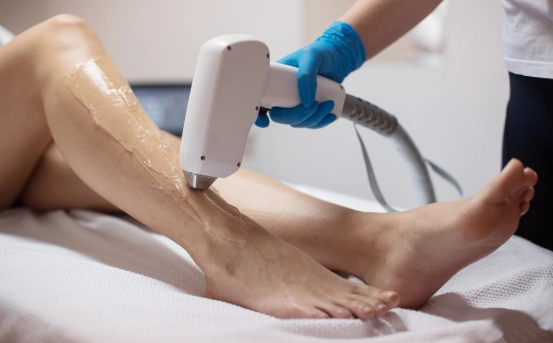
Endovenous Laser Therapy is performed in a sterile setting and usually takes 30 to 60 minutes. The steps involved include:
- Local Anesthesia: The treatment area is numbed to ensure patient comfort.
- Vein Access: A small needle puncture is made to insert a thin catheter into the affected vein under ultrasound guidance.
- Laser Fiber Insertion: A laser fiber is passed through the catheter and positioned along the length of the diseased vein.
- Tumescent Anesthesia: A diluted anesthetic solution is injected around the vein to protect surrounding tissues and enhance effectiveness.
- Laser Activation: Laser energy is delivered as the fiber is slowly withdrawn, sealing the vein from the inside.
- Completion: Once treated, the catheter is removed, and a compression bandage or stocking is applied.
No stitches are required, and patients are typically able to walk immediately after the procedure.
Post-Treatment Care and Recovery
Proper post-treatment care plays a crucial role in ensuring successful outcomes after Endovenous Laser Therapy.
- Compression Stockings: Patients are advised to wear compression stockings for one to two weeks to support healing and circulation.
- Walking: Light walking is encouraged immediately to promote blood flow and reduce clot risk.
- Activity Restrictions: Strenuous exercise, heavy lifting, and prolonged standing should be avoided for a few days.
- Pain Management: Mild discomfort, tightness, or bruising may occur and is usually managed with over-the-counter pain relievers.
- Follow-Up Ultrasound: A post-procedure ultrasound ensures the treated vein is successfully closed and checks for complications.
Most patients return to work and daily activities within 24 to 48 hours.
Benefits of Endovenous Laser Therapy
Endovenous Laser Therapy offers several advantages over traditional surgical treatments:
- Minimally invasive with no large incisions
- High success rate in closing affected veins
- Minimal pain and scarring
- Faster recovery and return to normal activities
- Reduced risk of infection and complications
- Improved leg appearance and symptom relief
These benefits make EVLT a preferred option for both patients and vascular specialists.
Possible Risks and Side Effects
Although Endovenous Laser Therapy is considered safe, like any medical procedure, it carries some risks:
- Temporary bruising or swelling
- Mild skin discoloration
- Sensation of tightness along the treated vein
- Rare risk of blood clots or nerve irritation
- Very rare risk of skin burns
Choosing an experienced vascular surgeon and adhering to post-treatment instructions significantly reduces these risks.
Long-Term Outcomes
Over time, the treated vein is absorbed by the body, and blood flow is naturally redirected to healthy veins. Most patients experience significant improvement in pain, swelling, heaviness, and cosmetic appearance. While EVLT treats existing problematic veins, it does not prevent new veins from developing, making lifestyle changes and follow-up care important. Maintaining a healthy weight, regular exercise, leg elevation, and continued use of compression stockings when advised can help preserve results.
Conclusion
Endovenous Laser Therapy is an advanced and effective treatment for varicose veins and chronic venous insufficiency. By using targeted laser energy to close damaged veins, the procedure restores healthy circulation, relieves symptoms, and improves leg appearance with minimal discomfort and downtime. Its high success rate, safety profile, and quick recovery make it a preferred alternative to traditional surgical methods.
For individuals suffering from persistent leg pain, swelling, or visible varicose veins, Endovenous Laser Therapy offers a safe, modern, and long-lasting solution. Consulting a qualified vascular specialist is essential to determine suitability, ensure optimal results, and receive personalized post-treatment care that enhances overall vein health and quality of life.