Introduction
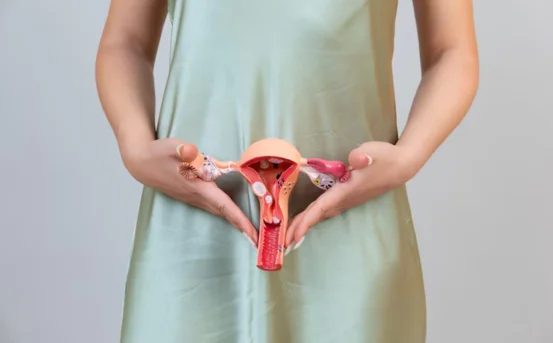
Female urology is a specialized branch of medicine that focuses on diagnosing and treating urinary and pelvic floor disorders unique to women. These concerns often impact daily routine, confidence, and overall quality of life. Thankfully, with advancements in urological care, women today have access to safe, effective, and personalized treatment options.
Understanding Female Urology
Female urology deals with urinary tract problems that are more common in women due to anatomical and hormonal factors. These conditions can affect the bladder, urethra, kidneys, and pelvic floor muscles. Some of the most frequently encountered issues include
- Urinary incontinence
- Overactive bladder
- Frequent urinary infections
- Pelvic organ prolapse
- Interstitial cystitis (painful bladder syndrome)
- Neurogenic bladder
- Urethral abnormalities
Early diagnosis and timely intervention are essential for preventing complications and maintaining optimal urinary health.
Common Female Urology Conditions and Their Symptoms
- Urinary Incontinence :- Urinary incontinence (UI) refers to the unintentional leakage of urine. It affects millions of women, especially after childbirth, menopause, or pelvic surgeries.
Types of UI include
- Stress incontinence – leakage during coughing, sneezing, or exercise
- Urge incontinence – a sudden, strong urge to urinate
- Mixed incontinence – combination of stress and urge incontinence
Symptoms range from occasional leakage to complete loss of bladder control.
- Overactive Bladder (OAB) :- OAB is characterized by sudden and frequent urges to urinate, even if the bladder is not full. Women may experience urgency, frequency, and nighttime urination.
- Recurrent Urinary Tract Infections (UTIs) :- Women are more prone to UTIs due to a shorter urethra. Recurrent infections may cause burning, pelvic discomfort, and frequent urination.
- Pelvic Organ Prolapse :- Weak pelvic floor muscles can cause bladder, uterus, or rectum to drop into the vaginal canal. This leads to pressure, discomfort, and urinary problems.
- Interstitial Cystitis :- Also known as painful bladder syndrome, this chronic condition causes pressure, pain, and frequent urination without infection.
Causes and Risk Factors for Female Urological Problems
Multiple factors contribute to urological issues in women, including
- Pregnancy and childbirth
- Menopause and hormonal changes
- Aging
- Obesity
- Pelvic surgeries
- Chronic constipation
- Genetics
- Repeated infections
- Neurological disorders
Identifying the underlying cause is crucial for effective treatment.
Diagnosis in Female Urology
A thorough evaluation helps urologists determine the nature and severity of the problem. Diagnostic tests may include
- Urine analysis and culture
- Urodynamic testing
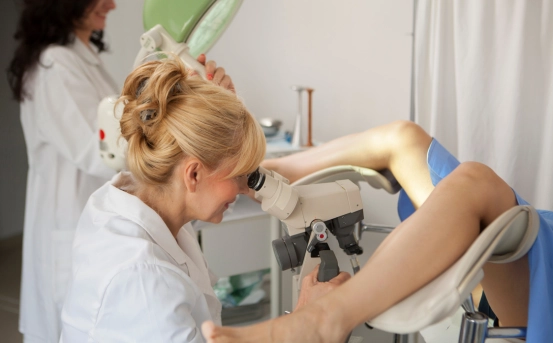
- Pelvic exam
- Ultrasound or MRI
- Cystoscopy
- Post-void residual measurement
These tests help create a personalized treatment plan tailored to each woman’s symptoms and lifestyle.
Effective Treatments for Female Urology
Modern female urology combines lifestyle modifications, therapeutic procedures, and advanced surgical interventions to provide long-lasting results. Treatment options include
- Lifestyle & Behavioral Therapy :- Many mild to moderate urinary issues improve significantly with lifestyle changes.
- Timed voiding
- Bladder training
- Pelvic floor (Kegel) exercises
- Weight management
- Reduced caffeine and alcohol intake
These non-invasive methods are often the first line of treatment.
- Pelvic Floor Physical Therapy :- Specialized physiotherapists help strengthen and relax pelvic muscles through
- Biofeedback
- Pelvic floor exercises
- Electrical stimulatio
This therapy is especially effective for urinary incontinence and pelvic pain.
- Medications :- Drugs are commonly prescribed for conditions like OAB, infections, and bladder inflammation.
- Anticholinergics and beta-agonists for OAB
- Antibiotics for UTIs
- Pain management for interstitial cystitis
- Minimally Invasive Treatments :- Modern urology offers several non-surgical solutions, including
- Botox injections in the bladder to reduce muscle overactivity
- Urethral bulking agents for stress incontinence
- Nerve stimulation (PTNS or sacral neuromodulation) to regulate bladder function
These procedures are safe and require minimal downtime.
- Surgical Treatments :- When conservative treatment fails, surgical options offer lasting relief. Common surgeries include
- Mid-urethral sling surgery for stress incontinence
- Pelvic organ prolapse repair using native tissue or mesh
- Bladder augmentation in severe bladder dysfunction
- Urethral reconstruction for strictures
Modern techniques ensure better outcomes, faster recovery, and reduced complications.
Treatment of Female Urology in India: Why It’s Becoming a Preferred Choice
India has become a global hub for advanced female urology treatments due to
- Experienced urologists and urogynecologists
- Cutting-edge technology
- Affordable treatment costs
- Good hospital infrastructure
- Excellent postoperative care
From simple treatments to complex pelvic reconstructive surgeries, India offers world-class care tailored to women’s needs.
Tips to Maintain Urinary and Pelvic Health
Women can significantly reduce the risk of urinary problems by following simple daily habits
- Stay hydrated
- Practice regular pelvic floor exercises
- Maintain a healthy weight
- Avoid holding urine for long periods
- Ensure proper hygiene
- Seek timely treatment for infections
- Follow a balanced diet rich in fibre
Healthy lifestyle choices play a key role in preventing long-term complications.
Conclusion
Female urology has advanced tremendously, offering women effective and personalized solutions to conditions that once affected their daily lives and confidence. Whether it’s urinary incontinence, pelvic organ prolapse, recurrent UTIs, or bladder pain, timely diagnosis and modern treatment options can bring remarkable improvement.