Introduction
Joint pain is a common condition that affects people of all ages. It can range from mild discomfort to severe pain, limiting mobility and affecting the quality of life. The causes of joint pain are numerous, including aging, injury, inflammation, or underlying medical conditions like arthritis. Understanding the causes, symptoms, and treatment options is crucial for managing joint pain effectively and improving overall well-being.
Understanding Joint Pain
Joint pain, also known as arthralgia, can occur in any joint in the body, such as the knees, hips, shoulders, or fingers. It may result from mechanical problems, injury, inflammation, or systemic diseases. While occasional joint pain may not be a major concern, persistent or severe pain requires medical evaluation.
Common Causes of Joint Pain
- Arthritis: Osteoarthritis and rheumatoid arthritis are leading causes of joint pain. Osteoarthritis is due to the wear and tear of cartilage, while rheumatoid arthritis is an autoimmune condition that inflames joints.
- Injuries: Sprains, strains, and fractures can cause temporary or chronic joint pain. Sports injuries are a common contributor, especially in knees and shoulders.
- Bursitis and Tendinitis: Inflammation of the bursae (fluid-filled sacs) or tendons around a joint can lead to pain and stiffness.
- Infections: Certain bacterial or viral infections can cause joint inflammation, known as septic arthritis.
- Gout: A form of arthritis caused by excess uric acid in the blood, leading to sudden, intense pain, often in the big toe.
- Age-related wear and tear: As people age, cartilage deteriorates, leading to pain, stiffness, and reduced joint flexibility.
Symptoms to Watch For
Joint pain may present with various symptoms depending on the cause. Common signs include
- Persistent discomfort in the joint
- Swelling or tenderness
- Stiffness, especially in the morning or after inactivity
- Redness or warmth around the joint
- Reduced range of motion
- Occasional joint locking or instability
Recognizing these symptoms early can help prevent further damage and improve treatment outcomes.
Treatment of Joint Pain
The treatment of joint pain depends on its cause, severity, and the patient’s overall health. Management can involve a combination of self-care measures, medications, physical therapy, and sometimes surgery.
- Lifestyle Modifications :- Lifestyle changes play a significant role in alleviating joint pain and preventing further damage.
- Exercise: Regular low-impact exercises such as swimming, walking, or yoga can strengthen muscles around the joints, improve flexibility, and reduce pain.
- Weight Management: Maintaining a healthy weight reduces stress on weight-bearing joints, particularly knees and hips.
- Healthy Diet: Consuming anti-inflammatory foods like fish, nuts, fruits, and vegetables can help manage inflammation. Avoiding processed foods and excessive sugar may reduce joint pain.
- Posture and Ergonomics: Proper posture and ergonomic support at work or home can prevent unnecessary strain on joints.
- Medications :- Medications may be necessary to manage pain, inflammation, or the underlying cause of joint discomfort. Common options include
- Nonsteroidal Anti-inflammatory Drugs (NSAIDs): These reduce inflammation and relieve pain. Examples include ibuprofen and naproxen.
- Acetaminophen: Effective for pain relief without significant anti-inflammatory effects.
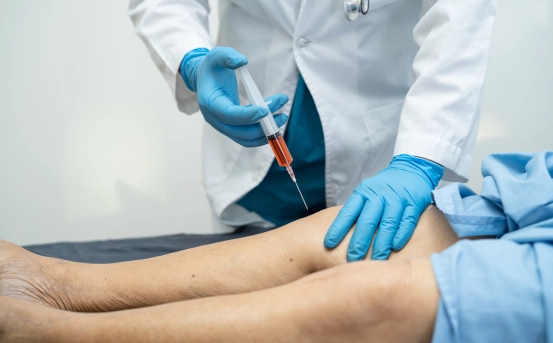
- Corticosteroids: Oral or injectable steroids reduce inflammation in severe cases.
- Disease-modifying antirheumatic drugs (DMARDs): Used in autoimmune conditions like rheumatoid arthritis to slow disease progression.
- Topical creams and gels: These provide localized relief for mild to moderate joint pain.
- Physical Therapy :- Physical therapy is essential for joint pain management, especially in chronic conditions like arthritis. A physiotherapist can design exercises to
- Improve joint mobility and flexibility
- Strengthen muscles around affected joints
- Reduce pain and swelling
- Enhance balance and prevent falls
Regular therapy sessions combined with home exercises can lead to long-term improvement in joint function.
- Alternative and Complementary Therapies :- Some patients benefit from alternative therapies alongside conventional treatment
- Acupuncture: Can help relieve pain by stimulating specific points in the body.
- Massage Therapy: Reduces muscle tension and improves joint mobility.
- Supplements: Glucosamine, chondroitin, omega-3 fatty acids, and turmeric have shown potential in reducing joint pain and inflammation.
- Surgical Interventions :- For severe joint pain that doesn’t respond to conservative measures, surgery may be considered. Common surgical options include
- Arthroscopy: Minimally invasive surgery to repair joint damage.
- Joint Replacement: Replacing severely damaged joints, such as hips or knees, with prosthetic implants.
- Osteotomy: Realignment of bones to relieve joint pressure and pain.
Surgical treatments are usually followed by rehabilitation to restore joint function.
Preventing Joint Pain
Prevention is always better than cure. Simple habits can significantly reduce the risk of joint pain
- Stay physically active with regular exercise
- Maintain a healthy weight
- Avoid repetitive stress on joints
- Use supportive footwear
- Practice proper posture and body mechanics
- Include anti-inflammatory foods in your diet
Early intervention and adopting a proactive approach can help preserve joint health and prevent chronic pain.
When to Consult a Doctor
While mild joint pain may be managed at home, it’s important to seek medical advice if
- Pain persists for more than a few weeks
- Swelling, redness, or warmth is present
- You experience fever with joint pain
- Pain limits daily activities or mobility
- There is sudden or severe pain after injury
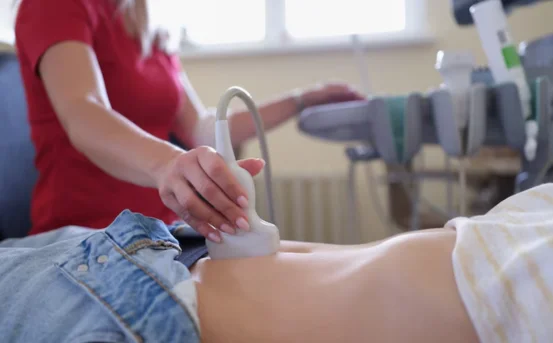
A healthcare professional can perform diagnostic tests such as X-rays, MRI, or blood tests to determine the cause and recommend appropriate treatment.
Conclusion
Joint pain is a common yet manageable condition. With timely diagnosis, lifestyle modifications, proper medications, physical therapy, and in some cases, surgical intervention, individuals can regain mobility and improve their quality of life. Maintaining joint health through regular exercise, a balanced diet, and preventive care is essential for long-term wellness. Remember, joint pain should never be ignored. Early attention and consistent management can prevent further damage and help you lead an active, pain-free life.