Introduction
Musculoskeletal injuries are one of the most common health concerns affecting people of all ages. These injuries involve muscles, bones, ligaments, tendons, and joints, and can occur due to sports activities, accidents, repetitive motion, or age-related degeneration. Prompt and effective treatment is essential to restore function, reduce pain, and prevent long-term complications. In this article, we explore the causes, symptoms, and advanced treatment options available for musculoskeletal injuries.
Understanding Musculoskeletal Injuries
Musculoskeletal injuries can vary widely in severity, ranging from minor strains and sprains to complex fractures and ligament tears. Common examples include
- Sprains and Strains: Stretching or tearing of ligaments or muscles.
- Fractures: Breaks in bones due to trauma.
- Tendon Injuries: Tendonitis or ruptures caused by overuse or sudden injury.
- Joint Injuries: Dislocations or cartilage damage, such as in the knee or shoulder.
- Soft Tissue Injuries: Bruises, contusions, or overuse injuries.
These injuries often result in pain, swelling, limited mobility, and sometimes visible deformities. Early diagnosis is critical to prevent further damage and promote faster healing.
Causes of Musculoskeletal Injuries
Several factors contribute to musculoskeletal injuries, including
- Trauma and Accidents: Car accidents, falls, or sports collisions can cause fractures, dislocations, or ligament injuries.
- Overuse and Repetitive Strain: Activities like running, lifting, or typing for extended periods can lead to tendonitis, bursitis, or stress fractures.
- Poor Posture and Ergonomics: Sitting or standing improperly for long durations can stress muscles and joints, causing chronic pain.
- Age-related Degeneration: Osteoarthritis and osteoporosis weaken bones and joints, increasing the risk of injury.
- Lifestyle Factors: Sedentary lifestyle, obesity, and poor nutrition can contribute to weaker musculoskeletal structures.
Symptoms of Musculoskeletal Injuries
Recognizing the symptoms early is crucial for timely treatment. Common signs include
- Pain and tenderness at the injury site
- Swelling or inflammation
- Bruising or discoloration
- Reduced range of motion
- Weakness or instability in the affected area
- Audible snapping or popping in severe cases
Persistent or worsening symptoms require immediate medical evaluation to prevent permanent damage.
Diagnosis of Musculoskeletal Injuries
Accurate diagnosis is the cornerstone of effective treatment. Physicians use a combination of
- Physical Examination: Evaluating mobility, strength, and tenderness.
- Imaging Tests: X-rays, MRI, or CT scans to detect fractures, ligament tears, or soft tissue damage.
- Laboratory Tests: Rarely, blood tests to rule out infections or inflammatory conditions.
- Functional Assessment: Measuring the range of motion and evaluating muscle strength to plan rehabilitation.
A thorough diagnosis helps determine whether the injury requires conservative management or surgical intervention.
Treatment of Musculoskeletal Injury
Most musculoskeletal injuries can be managed without surgery, especially minor sprains, strains, and tendon injuries. Common non-surgical treatments include
- Rest, Ice, Compression, and Elevation (RICE) :- The RICE method is a first-line approach for acute injuries
- Rest: Avoid activities that strain the injured area.
- Ice: Apply cold packs to reduce swelling and inflammation.
- Compression: Use elastic bandages to control swelling.
- Elevation: Raise the affected limb above heart level to decrease fluid accumulation.
- Medications
- Pain Relievers: NSAIDs (like ibuprofen) reduce pain and inflammation.
- Muscle Relaxants: Prescribed for muscle spasms.
- Topical Analgesics: Creams or gels applied to reduce localized pain.
- Physical Therapy :- Physical therapy plays a crucial role in restoring function
- Strengthening Exercises: Rebuild muscle support around joints.
- Stretching: Improves flexibility and prevents stiffness.
- Manual Therapy: Hands-on techniques to relieve pain and improve mobility.
- Modalities: Ultrasound, heat, and electrical stimulation can aid healing.
- Bracing and Supports
- Splints, Casts, or Orthotics stabilize injured areas and prevent further damage.
- Knee braces, ankle supports, or back belts may assist recovery during daily activities.
Surgical Treatment for Musculoskeletal Injuries
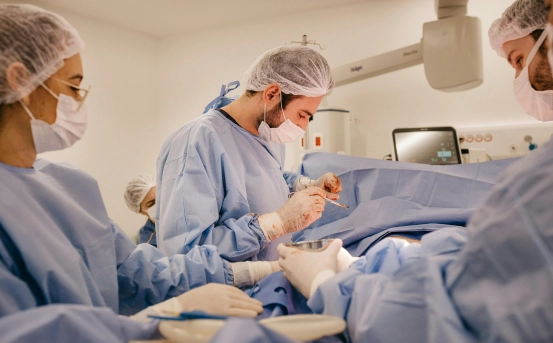
When non-surgical methods are insufficient or the injury is severe, surgical intervention may be necessary. Common procedures include
- Arthroscopy: Minimally invasive surgery to repair joints and ligaments.
- Fracture Fixation: Using screws, plates, or rods to stabilize broken bones.
- Tendon and Ligament Repair: Reconstructing torn tendons or ligaments.
- Joint Replacement Surgery: In advanced arthritis or joint damage cases.
Advances in surgical techniques, including robotic-assisted surgery and minimally invasive procedures, have improved recovery time and reduced post-operative complications.
Rehabilitation and Recovery
Recovery from musculoskeletal injuries is a gradual process. A personalized rehabilitation plan may include
- Progressive Exercise Programs: Gradually increasing strength and flexibility.
- Functional Training: Relearning movements for daily activities or sports.
- Pain Management: Continued use of medications or modalities as needed.
- Lifestyle Modifications: Weight management, posture correction, and ergonomics to prevent re-injury.
Consistency in rehabilitation is key to regaining full function and preventing long-term disability.
Preventing Musculoskeletal Injuries
Prevention is always better than treatment. Strategies include
- Regular Exercise: Strengthens muscles and improves joint stability.
- Proper Warm-up and Cool-down: Reduces the risk of sports injuries.
- Ergonomic Practices: Correct posture and workstation setup.
- Protective Gear: Helmets, knee pads, and braces during high-risk activities.
- Balanced Nutrition: Adequate calcium, vitamin D, and protein support bone and muscle health.
When to Seek Immediate Medical Help
Certain symptoms require urgent attention
- Severe pain unrelieved by rest or medications
- Visible deformity or bone protrusion
- Numbness, tingling, or loss of function
- Persistent swelling or inability to bear weight
- Signs of infection (redness, warmth, fever)
Prompt medical evaluation can prevent permanent damage and ensure a smoother recovery.
Choosing the Right Treatment Center
Selecting a trusted healthcare provider or orthopedic specialist is essential for optimal outcomes. Look for
- Experienced orthopedic surgeons and physiotherapists
- Advanced diagnostic and surgical facilities
- Comprehensive rehabilitation services
- Positive patient testimonials and reviews
Many hospitals and clinics now offer integrated musculoskeletal care, combining medical, surgical, and physiotherapy services under one roof for better recovery outcomes.
Conclusion
Musculoskeletal injuries can disrupt daily life, but with timely diagnosis and proper treatment, most patients recover fully. From conservative management like RICE therapy and physical rehabilitation to advanced surgical interventions, modern medicine provides effective solutions to restore mobility, reduce pain, and prevent recurrence. Prioritizing prevention, maintaining physical fitness, and seeking expert care when needed are the keys to a healthy musculoskeletal system.