Introduction
Neonatal care is a crucial aspect of healthcare that focuses on the health and well-being of newborns, especially those who are born prematurely, have low birth weight, or suffer from medical complications at birth. Proper neonatal care is essential for reducing infant mortality rates, preventing long-term health issues, and ensuring the overall growth and development of a child. Hospitals and specialized neonatal care units play a pivotal role in providing this specialized care.
Understanding Neonatal Care
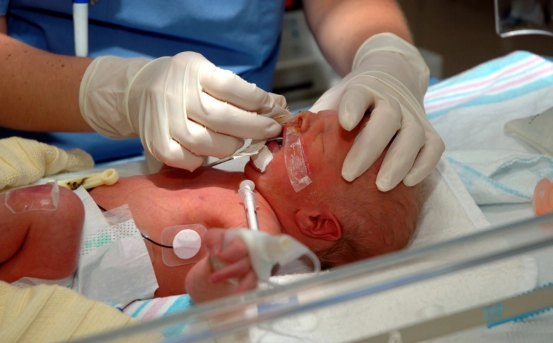
Neonatal care refers to the specialized medical attention provided to newborns during the first 28 days of life. This period is often referred to as the neonatal period and is critical for a baby’s survival and long-term health. Newborns are extremely vulnerable to infections, respiratory issues, and other medical complications. Neonatal care involves close monitoring of vital signs, nutritional support, treatment of infections, and advanced medical interventions to address specific health challenges.
The goal of neonatal care is not only to treat immediate health issues but also to ensure the baby develops properly and avoids long-term complications. This care is often provided in Neonatal Intensive Care Units (NICUs) for infants requiring intensive monitoring and treatment.
Common Neonatal Conditions Requiring Treatment
Several conditions in newborns necessitate specialized treatment. Some of the most common issues include
- Premature Birth: Babies born before 37 weeks of gestation may face respiratory, digestive, and immune system challenges.
- Low Birth Weight: Infants weighing less than 2,500 grams require nutritional support and careful monitoring.
- Respiratory Distress Syndrome (RDS): A condition commonly seen in premature babies due to underdeveloped lungs.
- Jaundice: Excess bilirubin in the blood causing yellowing of the skin and eyes.
- Infections: Newborns are prone to bacterial, viral, or fungal infections, which can become life-threatening if untreated.
Each of these conditions requires specific treatments and continuous monitoring to ensure the baby’s health and development.
Treatments and Interventions in Neonatal Care
Modern neonatal care involves a combination of medical interventions, supportive therapies, and preventive measures. Here’s an overview of the common treatments
- Respiratory Support :- Many newborns, especially premature infants, face breathing difficulties due to underdeveloped lungs. Respiratory support includes
- Oxygen Therapy: Helps maintain adequate oxygen levels in the blood.
- Mechanical Ventilation: Assists babies with severe breathing difficulties.
- Continuous Positive Airway Pressure (CPAP): Keeps the lungs inflated for better oxygen absorption. These interventions are crucial for preventing complications such as hypoxia and respiratory failure.
- Nutritional Support :- Nutrition plays a vital role in the growth and development of neonates. Treatment involves
- Breastfeeding Assistance: Encouraging mothers to provide colostrum, which is rich in antibodies.
- Formula Feeding: Used when breast milk is insufficient or unavailable.
- Parenteral Nutrition: Intravenous feeding for infants who cannot take food orally. Proper nutrition ensures healthy weight gain and strengthens the baby’s immune system.
- Management of Jaundice :- Neonatal jaundice is treated using
- Phototherapy: Special lights help break down excess bilirubin in the baby’s body.
- Exchange Transfusion: In severe cases, the baby’s blood may be replaced to reduce bilirubin levels. Timely treatment prevents neurological complications such as kernicterus.
- Infection Control :- Newborns are highly susceptible to infections. Neonatal care emphasizes
- Antibiotic Therapy: Used to treat bacterial infections effectively.
- Sterile Environment: NICUs maintain strict hygiene to prevent infection.
- Regular Monitoring: Early detection of infections is critical for successful treatment.
- Temperature Regulation :- Premature and low birth weight babies often struggle to maintain body temperature. Treatments include
- Incubators: Provide a controlled warm environment.
- Skin-to-Skin Contact (Kangaroo Care): Helps regulate body temperature and improves bonding with the mother. Maintaining optimal body temperature reduces energy expenditure and supports growth.
- Advanced Medical Interventions :- Some critical neonatal conditions require specialized procedures, including:
- Surgery: For congenital anomalies like heart defects or gastrointestinal issues.
- Photodynamic Therapy: For specific jaundice or skin-related conditions.
- Respiratory Surfactant Therapy: Helps premature lungs function properly. Modern NICUs are equipped with advanced technology to monitor and treat critical cases effectively.
Role of Parents and Family in Neonatal Care
While medical interventions are essential, parental involvement is equally crucial. Parents are encouraged to
- Participate in feeding and bonding activities.
- Monitor for early signs of illness or discomfort.
- Maintain hygiene and minimize the baby’s exposure to infections.
- Follow medical advice for home care after discharge from the hospital.
Support from family ensures emotional stability for both the baby and the parents, promoting faster recovery and development.
Preventive Measures in Neonatal Care
Prevention is a key aspect of neonatal care. Measures include
- Prenatal Care: Regular check-ups during pregnancy reduce the risk of complications at birth.
- Vaccinations: Immunizations help protect newborns from preventable diseases.
- Healthy Delivery Practices: Ensuring a clean and safe birth environment minimizes infections.
Early intervention and preventive strategies significantly improve the outcomes for newborns.
The Future of Neonatal Care
Neonatal care continues to evolve with technological advancements. Innovations such as telemedicine, artificial intelligence in monitoring, and improved neonatal nutrition solutions are transforming the field. These developments promise better survival rates, reduced complications, and enhanced overall care for newborns worldwide.
Conclusion
Treatment of neonatal care is a delicate and critical process that requires a combination of medical expertise, advanced technology, and parental support. From addressing respiratory distress to providing optimal nutrition and infection control, neonatal care ensures that every newborn has the best possible chance to thrive. Hospitals, NICUs, and trained healthcare professionals play a pivotal role in this process.