Introduction
Nose correction, medically known as rhinoplasty, is one of the most popular cosmetic and functional procedures performed worldwide. Whether someone is looking to enhance facial harmony, correct breathing issues, or restore the nose after an injury, nose correction treatment offers safe and effective solutions. With advanced surgical techniques and minimally invasive options available today, patients can achieve natural-looking results tailored to their aesthetic and medical needs.
What Is Nose Correction (Rhinoplasty)?
Nose correction is a procedure performed to reshape, resize, or correct nasal deformities. It can be done for two main purposes
- Cosmetic Rhinoplasty: Enhances the appearance of the nose by improving shape, size, symmetry, or projection.
- Functional Rhinoplasty: Improves nasal breathing by correcting internal structural issues such as deviated septum or nasal valve collapse.
Many patients today choose a combination of both, achieving improved appearance and better breathing with a single treatment.
Who Needs for Treatment of Nose Correction Surgery?
Nose correction may be suited for individuals with
- A crooked or deviated nose
- Hump or bump on the nasal bridge
- Wide or flared nostrils
- Bulbous nasal tip
- Breathing difficulty due to internal blockage
- Congenital deformity or nasal trauma
- Unsatisfactory results from a previous surgery (requiring revision rhinoplasty)
A detailed consultation with an ENT specialist or plastic surgeon helps determine the ideal treatment.
Types of Nose Correction Treatments
- Surgical Rhinoplasty :- This is the most common and effective method for reshaping the nose.
Techniques include
- Open Rhinoplasty :- Involves a small incision across the columella. Offers greater precision for major corrections such as major deformities, tip reshaping, and asymmetries.
- Closed Rhinoplasty :- All incisions are inside the nostrils. Suitable for minor to moderate corrections with faster recovery.
- Septoplasty :- This is performed when a deviated septum obstructs breathing. It straightens the septum and improves airway function. Often combined with rhinoplasty for both cosmetic and functional benefits.
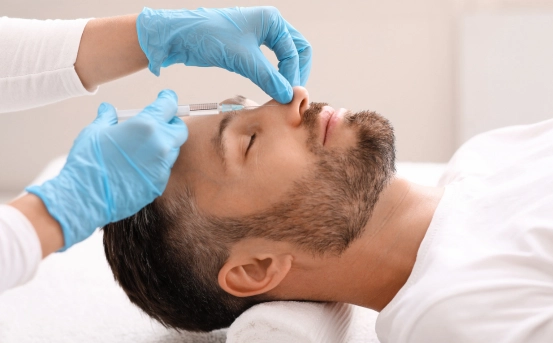
- Non-Surgical Nose Correction (Liquid Rhinoplasty) :- An increasingly popular option, this involves using dermal fillers to smooth humps, lift the nasal tip, and improve symmetry.
Advantages
- No surgery
- Minimal downtime
- Immediate results
However, it does not reduce nose size and is not suitable for major corrections. Results are temporary, lasting 12–18 months.
- Revision Rhinoplasty :- Performed for patients unhappy with previous results or facing functional issues after earlier surgery. This is more complex and requires highly experienced surgeons.
How Is Nose Correction Performed?
Consultation & Planning :- The surgeon performs a detailed evaluation that includes
- Nasal examination
- Photographs and computer imaging
- Breathing assessment
- Discussion of goals and expectations
A personalized treatment plan is then created.
During the Procedure
- Rhinoplasty is usually performed under general anesthesia.
- The surgeon carefully reshapes bone, cartilage, and soft tissues.
- Incisions are closed with fine sutures.
- A splint or nasal packing may be placed to support healing.
Duration :- Surgical rhinoplasty typically takes 1.5 to 3 hours, while non-surgical procedures take 10–20 minutes.
Benefits of Nose Correction
- Enhances facial symmetry and aesthetics
- Corrects breathing issues
- Boosts self-confidence
- Treats congenital or trauma-related deformities
- Long-lasting and natural-looking results
Non-surgical treatments offer instant enhancement with minimal downtime.
Risks & Possible Side Effects
Like any medical procedure, nose correction may involve certain risks such as
- Swelling and bruising
- Mild pain or discomfort
- Temporary breathing difficulty
- Infection (rare)
- Over or under-correction
- Revision surgery in rare cases
Choosing a skilled and experienced surgeon can significantly reduce these risks.
Recovery & Aftercare Tips
Recovery varies depending on the type of procedure.
For Surgical Rhinoplasty
- Splint removal occurs after 5–7 days
- Swelling reduces significantly within 2–3 weeks
- Full results may take 6–12 months to appear
- Avoid wearing glasses for a few weeks
- Protect the nose from accidental trauma
- Sleep with your head elevated
- Avoid heavy workouts for at least 3–4 weeks
For Non-Surgical Rhinoplasty
- Minor swelling resolves in 1–2 days
- Avoid pressure on the nose
- Results appear immediately
Following surgeon instructions ensures smooth healing and the best results.
When to See a Specialist?
Consult a specialist if you
- Are unhappy with the shape or size of your nose
- Experience breathing difficulties
- Suffer from a nasal injury
- Want a safe and effective cosmetic enhancement
An expert evaluation helps identify the right treatment option for you.
Conclusion
Nose correction treatment is a highly customizable and safe procedure that can transform both facial appearance and breathing comfort. With modern techniques and improved surgical precision, patients can achieve natural, balanced, and aesthetically pleasing results. Whether you want subtle refinement or major structural correction, consulting an experienced rhinoplasty surgeon is the first step toward achieving your ideal look.