Introduction
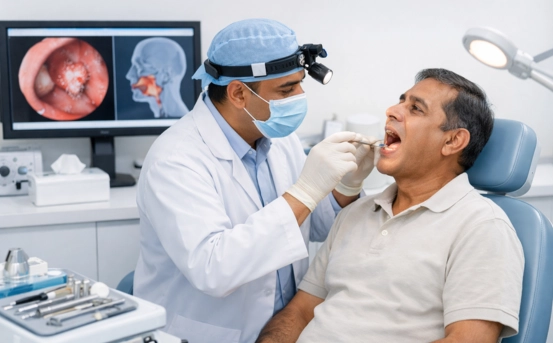
Oral cancer is a serious health condition that affects the mouth, tongue, lips, and throat. Early diagnosis and timely treatment can significantly improve survival rates and quality of life. If you or a loved one is searching for reliable, detailed, and information on treatment of oral cancer .
Understanding Treatment of Oral Cancer
Treatment for oral cancer depends on the stage of the disease, its exact location, and the overall health of the patient. The goal of therapy is to remove cancerous tissue, prevent spread, and help patients regain normal functions like speaking, chewing, and swallowing. Modern medical advancements have made treatment safer, more precise, and more effective, leading to higher recovery rates. Below are the most commonly used treatment methods for oral cancer, along with how they work and when doctors recommend them.
- Surgery for Oral Cancer :- Surgery is often the first line of treatment for early-stage and even some advanced oral cancers. The primary purpose is to remove tumors and nearby affected tissues.
Types of Surgical Procedures
- Tumor Removal :- Removes the cancerous lump along with a small margin of healthy tissue to prevent recurrence.
- Neck Dissection :- Performed when cancer spreads to nearby lymph nodes.
- Reconstructive Surgery :- Helps restore appearance and oral functions using grafts or flaps.
- Jaw/Tongue Reconstruction :- In advanced cases, doctors may reconstruct parts of the jaw or tongue.
Benefits of Surgery
- High success rate in early detection
- Immediate removal of cancerous tissue
- Helps prevent further spread
- Can be combined with radiation or chemotherapy for better results
Patients may experience temporary discomfort, swelling, or speech changes, but rehabilitation support usually helps recovery.
- Radiation Therapy :- Radiation therapy uses high-energy rays to destroy cancer cells. It is often recommended when
- Surgery is not possible
- Cancer is in early stages
- Tumor remains after surgery
- Doctors aim to reduce pain in advanced conditions
Types of Radiation Used
- External Beam Radiation: Most common and non-invasive
- Brachytherapy: Places radioactive seeds close to the tumor
- Intensity-Modulated Radiation Therapy (IMRT): Highly advanced and precise
Benefits
- Effective for small tumors
- Helps shrink cancer before surgery
- Reduces recurrence risk after surgery
Side effects may include dry mouth, sore throat, skin irritation, and fatigue most of which gradually improve.
- Chemotherapy :- Chemotherapy uses strong medicines to kill or shrink cancer cells. It is often combined with radiation and used in more advanced stages.
When Chemotherapy is Recommended
- Cancer has spread beyond the mouth
- Tumor is large and needs shrinking
- Cancer returns after treatment
- Palliative care to improve quality of life
Common Chemotherapy Drugs
- Cisplatin
- Carboplatin
- Fluorouracil (5-FU)
- Paclitaxel
Benefits
- Helps control cancer spread
- Makes radiation more effective
- Improves symptoms in advanced patients
Temporary side effects include nausea, hair thinning, low immunity, and fatigue, which doctors help manage with medicines and supportive care.
- Targeted Therapy :- Targeted therapy focuses on specific proteins or genes in cancer cells, giving precise treatment with fewer side effects than chemotherapy.
Who Benefits From Targeted Therapy?
- Patients whose cancer has not responded to standard treatments
- People with specific genetic markers in tumor cells
Cetuximab is one of the most widely used targeted therapy drugs for oral cancer.
Advantages
- Better tolerance than chemo
- Focuses only on cancer-specific pathways
- Suitable for advanced stages
- Immunotherapy :- This modern treatment strengthens the body’s immune system to attack cancer cells. It is especially useful for recurrent or metastatic oral cancer.
Common Immunotherapy Drugs
- Pembrolizumab
- Nivolumab
Benefits
- Works even when other treatments fail
- Improves long-term survival in selected patients
- Fewer side effects than chemotherapy
Recovery and Supportive Care
Treatment of oral cancer doesn’t end in the hospital. Rehabilitation is essential for long-term recovery and includes:
- Speech therapy for voice and communication
- Dietary counseling to help patients eat and swallow comfortably
- Pain management to maintain comfort during recovery
- Dental care to protect oral health after radiation
- Lifestyle changes (avoiding tobacco, alcohol, processed foods) to prevent recurrence
Early follow-ups and regular screening help ensure cancer does not return.
How to Choose the Right Treatment?
The ideal treatment plan depends on
- Stage and type of oral cancer
- Patient’s age and overall health
- Whether cancer has spread
- Presence of symptoms like difficulty swallowing or voice changes
Always consult a qualified oncologist, head-and-neck surgeon, or cancer specialist to get a personalized treatment plan.
Conclusion
Oral cancer is treatable, especially when detected early. With modern techniques like surgery, radiation therapy, chemotherapy, targeted therapy, and immunotherapy, patients can achieve excellent recovery outcomes. Timely diagnosis, the right treatment plan, and ongoing care are key to beating oral cancer and returning to normal life.