Introduction
Orchidopexy surgery is one of the most common and essential pediatric procedures performed to correct undescended testicles (cryptorchidism). While hearing the term “surgery” can be worrying for parents, the reality is that orchidopexy is a safe, effective, and time-tested treatment that helps protect a child’s long-term reproductive health and development. Understanding why the surgery is needed, how it is performed, and what recovery looks like can help parents make confident, informed decisions for their child’s well-being. This comprehensive guide explains everything you need to know about the treatment of orchidopexy surgery its purpose, benefits, procedure, recovery, risks, and long-term care.
Understanding Undescended Testicles
In most male infants, both testicles are fully descended into the scrotum by birth. However, in about 3% of full-term babies and 30% of premature infants, one or both testicles fail to descend properly. This condition is known as cryptorchidism.
An undescended testis may be located in:
- The abdomen
- The groin canal
- A high scrotal position
If it does not descend naturally within the first few months, surgery becomes necessary to prevent complications like infertility, testicular cancer risk, hernias, and cosmetic concerns. Early diagnosis and timely treatment help ensure the best outcomes.
What Is Orchidopexy Surgery?
Orchidopexy is a surgical procedure that brings an undescended testicle into the scrotum and stitches it in place to prevent it from moving upward again. It is typically performed between 6–18 months of age, as earlier correction reduces future health risks. In older children and adults, orchidopexy may also be recommended, especially if the undescended testicle was diagnosed late or retracted later in life.
Why Is Orchidopexy Surgery Necessary?
Leaving an undescended testicle untreated can lead to several complications as the child grows. Orchidopexy is recommended to:
- Improve Fertility Potential :- Testicles require a cooler temperature than the abdomen for normal sperm development. Bringing the testicle into the scrotum helps ensure proper reproductive growth.
- Reduce Risk of Testicular Cancer :- Study data shows untreated cryptorchidism increases cancer risk. Early orchidopexy significantly lowers this risk and makes self-examination easier later in life.
- Prevent Inguinal Hernia :- An undescended testis is often associated with an open inguinal hernia canal, increasing the chance of hernia formation.
- Enhance Hormonal and Testicular Function :- Proper positioning supports healthy hormone production and puberty development in the future.
- Improve Appearance and Boost Confidence :- A well-positioned testicle enhances scrotal symmetry, which is important for psychological and physical comfort.
Treatment of Orchidopexy Surgery
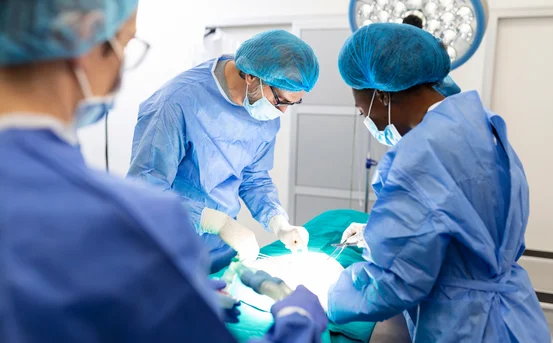
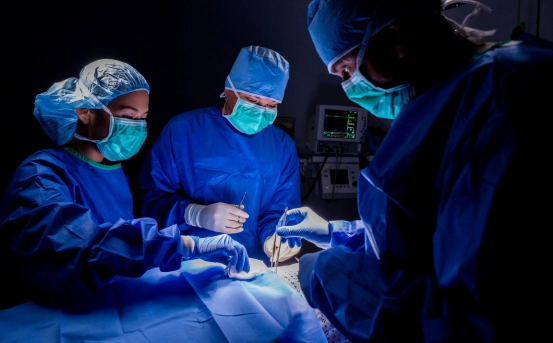
Orchidopexy is a short, safe procedure typically completed within 45 minutes to 1 hour under general anesthesia. The steps may vary slightly based on the testicle’s position.
- Pre-Surgery Evaluation :- The surgeon examines the child to locate the testicle. If the testicle cannot be felt, an ultrasound or diagnostic laparoscopy may be done.
- Anesthesia :- General anesthesia ensures the child sleeps comfortably throughout the procedure.
- Surgical Technique :- There are two main surgical approaches:
- Open Orchidopexy :- A small incision is made in the groin to gently bring the testicle into the scrotum and secure it.
- Laparoscopic Orchidopexy :- Used when the testicle lies inside the abdomen. Tiny incisions and a camera help the surgeon guide the testicle into place safely.
- Fixation of Testicle :- The surgeon creates a pouch in the scrotum and anchors the testicle using sutures to prevent upward movement.
- Closure :- Stitches are used to close the incision, usually dissolving on their own.
Most children go home the same day and recover quickly.
Recovery After Orchidopexy Surgery
Healing time is usually fast. Most children resume normal activities within a few days.
What Parents Can Expect After Surgery
- Mild swelling or bruising for 3–5 days
- Minor discomfort, easily managed with prescribed pain medicine
- Dressing or bandage that may fall off on its own
- Small incision marks that fade with time
Post-Operative Care
- Keep the area clean and dry for the first 48 hours
- Avoid bathing in tubs for one week
- Encourage loose-fitting clothes to avoid pressure
- Prevent activities like cycling or rough play for at least 2 weeks
- Attend all follow-up visits to check testicle position and healing
Risks and Complications of Orchidopexy
While orchidopexy is generally very safe, no surgery is completely risk-free. Complications are rare but may include:
- Bleeding or infection
- Testicular atrophy (very rare)
- Re-ascent of the testicle
- Reaction to anesthesia
- Fluid collection (hydrocele)
Early detection and follow-up care help manage these issues effectively.
Long-Term Benefits of Orchidopexy
Children who undergo orchidopexy early in life generally have excellent outcomes. Long-term benefits include:
- Normal testicular function
- Higher fertility potential
- Easier testicular self-examination during adolescence
- Improved psychological well-being
- Reduced lifetime risk of testicular cancer
Regular check-ups during childhood and teenage years ensure that the testicle remains healthy and properly positioned.
When Should Parents Seek Medical Attention?
You should consult your pediatric surgeon if your child has:
- Persistent swelling or redness
- Fever above 100.4°F
- Excessive pain or crying
- Pus or discharge from the incision
- Difficulty urinating
- Swelling that seems to worsen
Early medical attention ensures the best possible outcome.
Conclusion
Orchidopexy is a safe, reliable, and effective treatment for undescended testicles, ensuring your child’s reproductive and hormonal health as they grow. Early correction not only protects fertility but also reduces long-term risks like cancer and hernias. With modern surgical techniques, most children recover quickly and enjoy a healthy future with normal testicular function.