Introduction
Pilonidal disease is a painful and recurring condition that affects the skin near the tailbone, causing discomfort, swelling, and sometimes infection. When conservative treatments fail, pilonidal surgery becomes the most effective and long-term solution. In this comprehensive guide, we explore the causes, symptoms, surgical options, recovery tips, and why timely treatment is essential for preventing complications.
Understanding Treatment of Pilonidal Disease
A pilonidal sinus is a small cyst or tunnel under the skin, usually located near the top of the buttocks. It often forms when hair and dead skin get trapped beneath the surface, leading to inflammation or infection. While anyone can develop this condition, it is most common in young adults, people who sit for long hours, and those with thick or coarse body hair.
When a pilonidal sinus becomes infected, it may form a painful abscess filled with pus. This is typically what prompts the need for medical attention, and in many cases, surgery becomes necessary to treat the problem at its root.
When is Pilonidal Surgery Required?
Doctors may recommend pilonidal surgery when:
- The cyst keeps coming back
- There is persistent pain and swelling
- An abscess forms repeatedly
- Home treatments (warm compresses, antibiotics, shaving) fail
- The sinus becomes complex with multiple openings
Surgery offers a permanent and reliable solution by removing the infected tissue and preventing future flare-ups.
Types of Pilonidal Surgery
There are several surgical techniques used based on the severity of the condition. Your doctor will determine which is best for you.
- Incision and Drainage (I&D) :- This is the simplest procedure, usually done when there is an active abscess. The surgeon opens the cyst and drains the pus to reduce pain and infection. Although I&D provides quick relief, it may not prevent recurrence.
- Cyst Removal (Excision) :- In this procedure, the surgeon removes the entire sinus tract and infected tissue. The wound may be left open to heal naturally or closed with stitches.
- Open method :- Lower recurrence rate, but longer healing time
- Closed method :- Faster healing but slightly higher chance of recurrence
- Flap Surgery (Advanced Cases) :- In complex or recurrent cases, flap procedures like the Limberg flap or Karydakis flap may be used. These involve reshaping and repositioning the skin to reduce friction and chances of recurrence. Flap surgeries offer excellent long-term results and faster recovery for people who have struggled with repeated infections.
How to Prepare for Pilonidal Surgery
Proper preparation enhances the success of the procedure and smoothens the recovery process:
- Avoid shaving the area yourself let medical staff handle it
- Follow fasting instructions before anesthesia
- Inform your surgeon about medications or allergies
- Keep the area clean before the procedure
- Arrange someone to accompany you after surgery
A good pre-surgery plan ensures minimal complications and better healing.
What to Expect During the Procedure
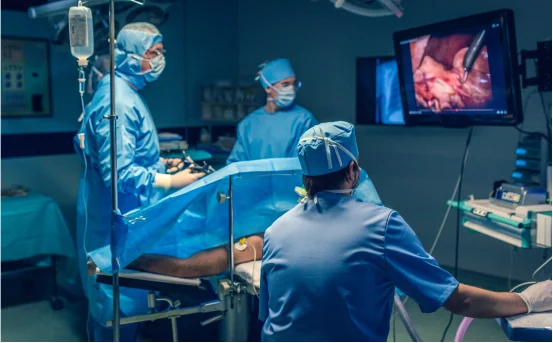
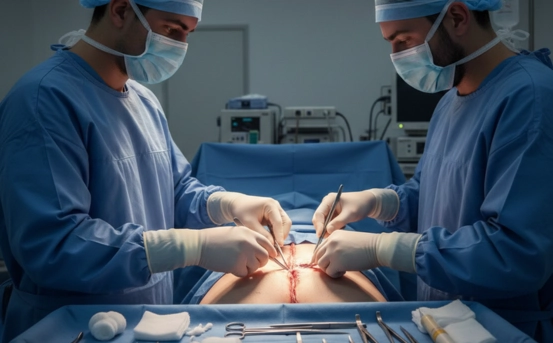
Pilonidal surgery typically takes 30–60 minutes, depending on the complexity. It can be performed under local or general anesthesia. Most patients return home the same day unless complications require observation. The surgeon removes the infected tissue, cleans the area thoroughly, and either leaves the wound open or closes it with sutures. Dressing is applied, and detailed aftercare instructions are provided.
Post-Surgery Recovery and Care
Recovery depends on the type of surgery performed. Here are essential aftercare steps:
- Keep the Area Clean and Dry :- Hygiene is the most important factor in preventing recurrence. Clean the wound gently and replace dressings as instructed.
- Avoid Strain and Long Sitting :- Long hours of sitting can put pressure on the wound. Use a soft cushion and change positions frequently.
- Follow Medication Guidelines :- Painkillers, antibiotics, and anti-inflammatory medicines help reduce discomfort and prevent infection.
- Hair Removal :- Regular hair removal around the surgical area (shaving or laser) reduces the risk of the sinus reforming.
- Monitor for Signs of Infection:- Redness, increased pain, or foul-smelling discharge may indicate infection contact your doctor immediately.
With proper aftercare, most patients recover within 2–4 weeks, depending on the surgical method.
Benefits of Pilonidal Surgery
Choosing surgery offers several clear advantages:
- Long-term relief from recurrent infections
- Eliminates the root cause of symptoms
- Faster healing with modern surgical techniques
- Reduces pain, swelling, and discomfort
- Improves quality of life and daily functioning
- Advanced procedures ensure minimal scarring and a lower chance of recurrence.
Preventing Recurrence After Surgery
Even after successful surgery, certain habits help prevent future problems:
- Maintain hygiene in the tailbone area
- Avoid sitting for long hours on hard surfaces
- Keep the area trim and hair-free
- Wear loose, breathable clothing
- Manage body weight to reduce friction
Prevention is the key to ensuring the sinus does not come back.
Conclusion
Pilonidal disease can be painful, recurrent, and disruptive, but modern pilonidal surgery offers a reliable, long-lasting solution. Early treatment not only reduces discomfort but also prevents complications like chronic infection and scarring. If you’re experiencing symptoms of a pilonidal sinus, consulting a specialist is the best first step toward relief and recovery.