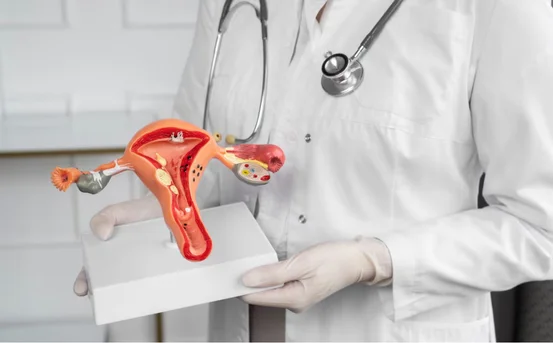
Polycystic Ovary Syndrome (PCOS) is a well-known hormonal disorder that affects women who are of reproductive age. PCOS can disrupt the menstrual cycle, but it can cause serious health problems if left untreated. Fortunately, with the proper treatment and lifestyle modifications, PCOS can be effectively controlled. Understanding of the treatment of polycystic ovary syndrome.
What is Polycystic Ovary Syndrome (PCOS)?
Polycystic Ovary Syndrome (PCOS) is a hormonal imbalance in which the ovaries produce a high amount of orogens (male hormones). Women suffering from PCOS typically have irregular menstrual cycles, weight gain, infertility skin problems, as well as the formation of small cysts that are located on the ovaries.
Why is Treatment Important?
The early diagnosis and treatment for PCOS are crucial to avoid complications, such as:
- Infertility
- Type 2 diabetes
- Heart disease
- Sleep Apnea
- Endometrial cancer
- Mental health problems like depression and anxiety
Controlling PCOS is not only about treating symptoms – it’s about enhancing the long-term health outcomes.
Common Symptoms of PCOS
Recognizing what is causing your discomfort can be the initial step towards an effective treatment. The most common symptoms are:
- Periods that are missed or not properly scheduled
- Hair growth that is excessive (hirsutism)
- Acne, oily skin and acne
- Hair loss or thin hair
- The weight gain is most noticeable around the abdomen.
- The difficulty of getting pregnant
- The skin has dark patches (acanthosis nigricans)
How is PCOS Diagnosed?
A doctor may employ a combination of following diagnostic methods:
- Physical and medical history
- Ultrasound to locate cysts that are present on the Ovaries
- Tests of blood to determine the levels of hormones, insulin, and cholesterol
Treatment of Polycystic Ovary Syndrome (PCOS)
The cure isn’t available for PCOS however, the condition is manageable through changes in lifestyle as well as medications and occasionally surgical procedures. The treatment is customized depending on the severity of your symptoms as well as whether you would like to have children.
- Lifestyle Changes
- The First Line of Treatment :- A great methods to treat PCOS is through exercise and diet.
- Weight Management :- A mere 5-10% loss of your body weight will dramatically increase the levels of hormones, insulin resistance and the ovulation.
- Healthy Diet :- Make a decision to adopt an GI-low (glycemic index) diet that is high in lean proteins, fiber fruit and vegetables. Avoid trans fats, refined sugars, trans-fats and processed foods.
- Regular Exercise :- It is recommended to aim for 30 to 45 minutes of moderate exercise for example, vigorous walking, yoga, or swimming at least 5 times a week.
- Medications for PCOS :- Doctors can prescribe different medicines according to your health conditions and goals for fertility.
- Hormonal Birth Control :- Birth Control pills, patches or vaginal rings control menstrual cycles, decrease androgen levels, as well as clear acne.
- Anti-Androgen Medications :- Spironolactone helps to control the growth of hair and acne by blocking male hormones.
- Metformin :- The medication for diabetes helps improve insulin resistance and aids in restoring normal menstrual cycles.
- Clomiphene Citrate (Clomid) :- A fertility medication that induces ovulation in women who are trying to have a baby.
- Letrozole :- It was originally a drug for breast cancer that is now used to treat the induction of ovulation for women suffering from PCOS.
- Treatment for Insulin Resistance :- Women who suffer from PCOS typically suffer from insulin resistance. This can result in an increase in levels of insulin as well as weight gain and increased risk of developing diabetes.
Recommended Strategies:
- Metformin to increase insulin sensitivity
- Low-carbohydrate diets
- Regular meals that provide balanced nutrition
- Natural and Alternative Therapies :- Many women are looking for natural solutions to manage PCOS symptoms. Always consult with a physician prior to beginning any supplement.
- Supplements
- Inositol (myo-inositol and D-chiro-inositol) may help improve insulin function and assist in Ovulation.
- Vitamin D is often lower in women who suffer from PCOS and can help improve menstrual frequency.
- Omega-3 Fatty acids May lower androgen levels and enhance the lipid profile.
- Herbal Remedies
- Spearmint tea has been shown to decrease levels of androgens as well as unwanted facial hair.
- Cinnamon It can increase the sensitivity of insulin and regulate menstrual cycles.
- Surgical Options:- Surgery is typically considered after other treatment options have not worked.
- Laparoscopic Ovarian Drilling (LOD) :- A procedure that is minimally invasive in which small holes are cut into the ovaries with either a laser or heat. It can trigger ovulation in certain women.
PCOS and Fertility: Special Considerations
In the case of women who are trying to conceive, treatment is focused on triggering an ovulation.
- Ovulation-stimulating medications (like Clomid or Letrozole)
- Hormone therapy
- Technology for assisted reproduction (ART) such as IVF
A close monitoring by a fertility specialist is typically suggested.
Conclusion
PCOS is an ongoing illness and its management is a lifelong process. Regular check-ups, healthy lifestyles and support for mental health are vital.
Mental Health and PCOS
Women who suffer from PCOS are more likely to:
- Depression
- Anxiety
- Self-esteem is low.
Therapies such as cognitive behavioral therapy (CBT) and counseling and mindfulness exercises are a great way to enhance emotional wellbeing.