Introduction
Pterygium, commonly referred to as “surfer’s eye,” is a non-cancerous growth of the conjunctiva the thin, clear tissue covering the white part of the eye that extends onto the cornea. While pterygium often appears as a small, benign growth, it can sometimes cause irritation, redness, and even vision impairment if it progresses over the cornea. Understanding the causes, symptoms, and treatment of pterygium is crucial for maintaining optimal eye health and preventing complications.
Understanding Pterygium
Pterygium typically appears as a wedge-shaped growth on the eyelid, most commonly on the side closest to the nose, though it can develop on the outer side as well. The exact cause of pterygium is not entirely understood, but several factors contribute to its development
- Prolonged UV Exposure: Ultraviolet light from the sun is a primary risk factor. Individuals who spend significant time outdoors, such as fishermen, farmers, and surfers, are more prone.
- Environmental Irritants: Wind, dust, and smoke can irritate the eyes, triggering pterygium growth.
- Genetic Factors: Some studies suggest a hereditary component, making certain individuals more susceptible.
Pterygium can affect one or both eyes and is more common in adults aged 20 to 50, though younger individuals may also develop it due to excessive sun exposure.
Common Symptoms of Pterygium
While small pterygium growths may not cause noticeable discomfort, larger growths can lead to various symptoms, including
- Redness and inflammation in the eye
- Irritation or a gritty, burning sensation
- Dryness or excessive tearing
- Blurred vision if the growth encroaches on the cornea
- Cosmetic concerns due to visible growth
Early detection is key to preventing pterygium from affecting vision. Regular eye check-ups are recommended, especially for individuals at higher risk.
Non-Surgical Treatment of Pterygium
Not all cases of pterygium require surgery. Mild pterygium can often be managed with non-invasive treatments aimed at relieving symptoms and preventing progression
- Lubricating Eye Drops :- Artificial tears can help reduce dryness, irritation, and redness associated with pterygium. Using preservative-free lubricating drops multiple times a day can provide symptomatic relief.
- Anti-Inflammatory Medications :- For pterygium causing inflammation, topical corticosteroid or non-steroidal anti-inflammatory eye drops may be prescribed for short-term use to reduce swelling and discomfort.
- Protective Measures
- Sunglasses: UV-blocking sunglasses protect the eyes from harmful ultraviolet rays.
- Hats and Caps: Wearing wide-brimmed hats can further minimize sun exposure.
- Avoiding Irritants: Reducing exposure to wind, dust, and smoke can prevent pterygium from worsening.
While these measures help manage symptoms, they do not eliminate the pterygium or prevent it from growing over the cornea.
Surgical Treatment for Pterygium
Surgery is recommended when pterygium
- Causes significant irritation or discomfort
- Interferes with vision by covering the cornea
- Continues to grow despite conservative treatments
- Presents cosmetic concerns
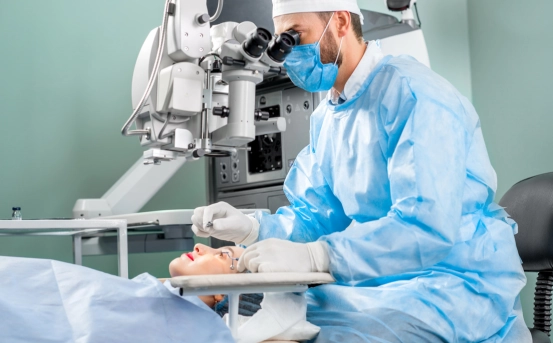
- Pterygium Excision :- The primary surgical procedure involves removing the abnormal tissue from the eye. Surgeons typically use one of two methods
- Bare Sclera Technique: The pterygium is excised, leaving the sclera (white part of the eye) exposed. While effective, this method has a higher recurrence rate.
- Conjunctival Autografting: A piece of the patient’s own conjunctiva is transplanted to cover the excised area. This method reduces the likelihood of recurrence and promotes faster healing.
- Amniotic Membrane Transplantation :- For larger or recurrent pterygium, surgeons may use amniotic membrane tissue to cover the excised area. The membrane has anti-inflammatory and anti-scarring properties, which help improve outcomes and minimize recurrence.
- Adjunctive Therapy
- Mitomycin C: A topical chemotherapy agent applied during surgery to inhibit regrowth.
- Postoperative Eye Drops: Anti-inflammatory and antibiotic drops are used to prevent infection and reduce inflammation.
Recovery After Surgery
Most patients experience mild discomfort and redness for a few days post-surgery. Complete healing usually occurs within 2–4 weeks. Follow-up appointments are essential to monitor healing and detect any signs of recurrence early.
Prevention of Pterygium
Prevention strategies focus on reducing exposure to risk factors
- Wear UV-protective sunglasses and broad-brimmed hats outdoors
- Use artificial tears to prevent dryness in windy or dusty conditions
- Avoid smoking and reduce exposure to irritants
- Schedule regular eye examinations, particularly if you have a family history of pterygium
When to Consult an Eye Specialist
Immediate consultation is advised if you notice
- Sudden vision changes
- Rapid growth of the pterygium
- Persistent irritation or redness unresponsive to artificial tears
- Discomfort affecting daily activities
Early intervention can prevent complications and improve surgical outcomes if required.
Conclusion
Pterygium is a common ocular condition, particularly among individuals with significant sun exposure. While mild cases may only require symptomatic treatment, progressive or vision-threatening pterygium necessitates surgical intervention. Modern techniques such as conjunctival autografting and amniotic membrane transplantation have significantly improved surgical success rates and reduced recurrence.
Protecting your eyes from UV light and environmental irritants, coupled with regular eye check-ups, is the best approach to preventing pterygium. If you experience any signs of this condition, timely consultation with an ophthalmologist can preserve both your vision and eye health.