Introduction
Spider veins are small, visible blood vessels that appear close to the surface of the skin, most commonly on the legs and face. They often look like thin red, blue, or purple lines forming web-like patterns. While spider veins are usually not a serious medical condition, they can cause discomfort, burning sensations, itching, or a feeling of heaviness in the legs. For many individuals, spider veins are also a cosmetic concern that affects confidence and quality of life.
The treatment of spider veins focuses on improving blood circulation, reducing symptoms, and enhancing the appearance of the skin. With advances in medical technology, there are now several effective and minimally invasive treatment options available. The choice of treatment depends on the severity of the condition, symptoms, skin type, and individual health factors.
Treatment of Spider Veins
- Initial Evaluation Before Treatment :- Before starting treatment for spider veins, a proper medical evaluation is essential. A healthcare provider examines the affected area and reviews the patient’s medical history to rule out underlying vein disorders. In some cases, imaging studies such as ultrasound may be recommended to assess blood flow and ensure that deeper veins are functioning normally. This evaluation helps determine the most appropriate treatment plan and ensures safe and effective results. Patients are also advised about expectations, possible side effects, and post-treatment care.
- Non-Invasive and Conservative Treatments :- For mild cases or early stages, conservative management may be recommended. These measures help reduce symptoms and prevent the progression of spider veins. Lifestyle modifications play an important role in treatment. Regular physical activity improves blood circulation and reduces pressure in the veins. Avoiding prolonged standing or sitting, maintaining a healthy weight, and elevating the legs periodically can significantly reduce discomfort. Compression therapy is another common approach. Medical-grade compression stockings help support the veins, improve circulation, and reduce swelling and pain. While compression therapy does not eliminate spider veins, it can prevent worsening and relieve symptoms.
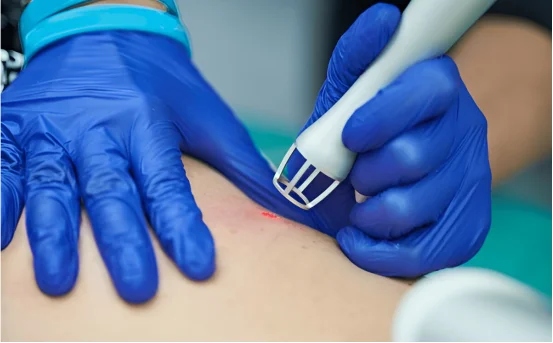
- Medical Treatment Approaches :- When conservative methods are not sufficient, medical treatments are used to address spider veins more directly. These treatments aim to close or reduce the appearance of visible veins by targeting the affected blood vessels. Injection-based treatment is widely used and involves administering a solution into the affected vein. This solution irritates the vein lining, causing it to collapse and eventually fade from view. Over time, the body naturally absorbs the treated vein, and blood is rerouted through healthier vessels. This procedure is performed in an outpatient setting and does not require anesthesia. Energy-based treatments use focused light or heat to target spider veins. The energy damages the vein walls, causing them to close and gradually disappear. These treatments are particularly useful for veins located close to the skin surface and are often chosen for facial areas or sensitive skin. Both approaches are safe and effective when performed by trained medical professionals. Multiple sessions may be required depending on the extent of the spider veins.
- Minimally Invasive Procedures :- Modern treatments for spider veins are minimally invasive and require little to no downtime. These procedures are usually performed in a clinic setting and allow patients to resume normal activities shortly after treatment. During the procedure, patients may experience mild discomfort such as a stinging or warming sensation, but this is generally well tolerated. The duration of treatment depends on the number and size of spider veins being addressed. Results typically become noticeable within a few weeks, with continued improvement over time. Patients often report relief from symptoms such as aching, heaviness, and swelling, along with improved skin appearance.
- Post-Treatment Care and Recovery :- Proper aftercare is essential for successful treatment outcomes. Patients are usually advised to wear compression stockings for a specified period to support healing and improve circulation. Walking regularly after treatment helps prevent blood clots and promotes healthy blood flow. It is recommended to avoid strenuous exercise, prolonged standing, and excessive heat exposure, such as hot baths or saunas, for a short period after treatment. Protecting the treated area from direct sun exposure also helps prevent skin discoloration. Follow-up appointments allow the healthcare provider to monitor progress and determine if additional sessions are necessary. Most patients achieve optimal results with a personalized treatment plan and proper adherence to aftercare instructions.
Benefits of Spider Vein Treatment
The treatment of spider veins offers both medical and cosmetic benefits. Improved circulation can significantly reduce discomfort, swelling, and fatigue in the legs. Many patients experience enhanced mobility and comfort during daily activities. From a cosmetic standpoint, treatment restores a smoother and more even skin appearance. This improvement often boosts self-confidence and allows individuals to wear clothing they previously avoided due to visible veins. Early treatment can also prevent spider veins from worsening or leading to more extensive vein issues in the future.
Possible Risks and Side Effects
Although spider vein treatments are generally safe, some temporary side effects may occur. These can include mild bruising, redness, swelling, or skin discoloration at the treatment site. These effects usually resolve within a few days or weeks. Serious complications are rare when treatment is performed by a qualified healthcare provider. Following pre- and post-treatment instructions carefully helps minimize risks and ensures the best possible outcome.
Conclusion
The treatment of spider veins has advanced significantly, offering safe, effective, and minimally invasive solutions for individuals seeking relief from symptoms and improved skin appearance. From conservative measures to medical and procedural treatments, a wide range of options are available to address spider veins based on individual needs. A proper medical evaluation, personalized treatment plan, and attentive post-treatment care are key to achieving lasting results. While spider veins are not always a medical concern, treating them can greatly enhance comfort, circulation, and confidence.