Introduction
Subarachnoid hemorrhage (SAH) is a life-threatening medical emergency that occurs when bleeding happens in the subarachnoid space, the area between the brain and the tissues covering it. This condition is most commonly caused by a ruptured brain aneurysm or head injury. Immediate treatment is crucial to prevent brain damage, stroke, or death. Among the most effective treatment of subarachnoid hemorrhage surgery, which focuses on stopping the bleeding, stabilizing the brain, and preventing further complications.
What Is Subarachnoid Hemorrhage?
A subarachnoid hemorrhage happens when blood leaks into the space around the brain, increasing pressure inside the skull. This can cause sudden symptoms such as
- Severe, “worst-ever” headache
- Nausea and vomiting
- Loss of consciousness
- Blurred or double vision
- Seizures
- Neck stiffness
- Sensitivity to light
Aneurysmal SAH is the most dangerous form, often requiring immediate surgical intervention to stop re-bleeding and stabilize the patient.
Why Is Surgery Needed for Subarachnoid Hemorrhage?
Surgery for SAH is performed mainly to
- Secure the ruptured aneurysm
- Prevent re-bleeding, which is common within the first 24–48 hours
- Reduce intracranial pressure
- Preserve brain function
- Remove accumulated blood, if necessary
Surgical treatment dramatically improves survival rates and long-term neurological outcomes.
Types of Surgeries for Subarachnoid Hemorrhage
There are two major surgical treatment options for SAH
- Surgical Clipping :- This is a traditional but highly effective open surgical technique that involves
- Making an opening in the skull (craniotomy)
- Locating the ruptured aneurysm
- Placing a small metal clip at its base to stop blood flow
Clipping is suitable for
- Patients with accessible aneurysms
- Complex or wide-neck aneurysms
- Younger patients who can tolerate open surgery
The metal clip remains permanently in the brain to prevent future bleeding.
- Endovascular Coiling :- This is a minimally invasive alternative performed using a catheter inserted through the groin or wrist.
Procedure steps include
- Navigating a catheter to the aneurysm site using imaging
- Inserting platinum coils to block blood flow
- Encouraging clot formation to seal the aneurysm
Coiling is ideal for
- Elderly patients
- Difficult-to-access aneurysms
- Patients needing a quicker recovery
Coiling significantly reduces surgical trauma and offers fast postoperative healing.
Additional Surgical Procedures for SAH Management
- External Ventricular Drainage (EVD) :- A drain is placed to reduce intracranial pressure caused by hydrocephalus, a common SAH complication.
- Decompressive Craniectomy :- A skull flap is temporarily removed to relieve pressure where the brain is severely swollen.
- Clot Removal :- In cases where a large blood clot is compressing the brain, neurosurgeons may remove pooled blood during surgery.
How Is Subarachnoid Hemorrhage Surgery Performed?
Step-by-Step Overview
- Emergency Stabilization :- Patients first undergo
- Airway support
- Blood pressure management
- CT scan and CT angiography to locate the bleed
- Surgery Planning :- Neurosurgeons choose between coiling or clipping depending on
- Aneurysm size and shape
- Patient condition
- Location of the bleed
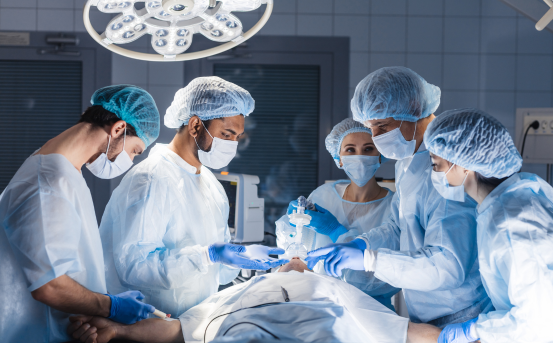
- The Procedure
- Clipping: Requires general anesthesia, skull opening, and aneurysm exposure.
- Coiling: Performed under anesthesia using image-guided catheter technology.
- Securing the Aneurysm :- The surgeon seals the aneurysm using the clip or coil to prevent re-bleeding.
- Postoperative Monitoring :- Patients are moved to the ICU for continuous monitoring of
- Blood pressure
- Neurological function
- Cerebral vasospasm
- Fluid balance
Recovery After Subarachnoid Hemorrhage Surgery
Recovery varies depending on the severity of the hemorrhage and the type of surgery performed.
- ICU Recovery :- Patients typically remain in the ICU for 10–14 days for
- Monitoring for vasospasm (narrowing of blood vessels)
- Neurological assessments
- Pain control
- Managing hydrocephalus
- Rehabilitation Phase :- Once stable, rehabilitation begins, which may include
- Physical therapy
- Occupational therapy
- Speech therapy
Rehabilitation plays a crucial role in regaining lost functions and improving quality of life.
- Full Recovery Timeline
- 2–6 weeks for minimally invasive coiling
- 6–12 weeks for surgical clipping
- Several months if complications like vasospasm occur
Risks and Complications of Subarachnoid Hemorrhage Surgery
Although surgery significantly improves survival, certain risks may occur
- Re-bleeding
- Stroke
- Infection
- Reaction to anesthesia
- Vasospasm
- Hydrocephalus
- Cognitive difficulties
- Weakness or speech problems
Close monitoring and timely treatment reduce the severity of these risks.
Long-Term Outlook After SAH Surgery
With early diagnosis and skilled neurosurgical care, many patients lead healthy lives after recovery. Factors influencing long-term outcomes include
- Patient’s age
- Severity of the initial bleed
- Time taken to receive treatment
- Presence of complications
- Rehabilitation involvement
Most patients return to daily activities within 3–6 months, depending on their neurological recovery.
Tips for Improving Recovery After SAH Surgery
Patients can support their recovery by following these recommendations
- Maintain healthy blood pressure
- Avoid smoking and alcohol
- Take prescribed medications regularly
- Attend follow-up appointments
- Follow a heart- and brain-healthy diet
- Avoid heavy lifting or strenuous activity initially
Support from family members plays an essential role in emotional and physical recovery.
Conclusion
Subarachnoid hemorrhage is a critical condition that requires rapid medical and surgical intervention. Treatments such as surgical clipping and endovascular coiling are highly effective in preventing re-bleeding and improving long-term outcomes. With advanced neurosurgical techniques and early diagnosis, survival rates and recovery success continue to improve significantly.