Introduction
Urological cancers, which affect the urinary system and male reproductive organs, are among the most common types of cancer worldwide. These cancers include kidney cancer, bladder cancer, prostate cancer, testicular cancer, and urethral cancer. Early diagnosis and timely treatment are critical for improving outcomes and enhancing the quality of life for patients. In this blog, we explore the latest treatment options, diagnosis strategies, and preventive measures for urological cancers.
Understanding Urological Cancer
Urological cancers originate in the organs of the urinary tract, including the kidneys, bladder, ureters, and urethra, as well as male reproductive organs such as the prostate and testes. The symptoms of urological cancers often vary depending on the organ affected
- Kidney cancer may present with blood in the urine, back pain, or unexplained weight loss.
- Bladder cancer often causes frequent urination, painful urination, or hematuria (blood in urine).
- Prostate cancer may remain asymptomatic in early stages, but advanced cases can cause urinary obstruction or bone pain.
- Testicular cancer usually manifests as a lump, swelling, or discomfort in the testicles.
Early detection through regular screenings, imaging tests, and blood tests significantly improves treatment outcomes.
Diagnosis of Urological Cancer
Accurate diagnosis is the first step toward effective treatment. Common diagnostic methods include
- Imaging Tests: Ultrasound, CT scans, MRI, and PET scans help detect tumors and assess their size and spread.
- Blood and Urine Tests: Tests like PSA (Prostate-Specific Antigen) for prostate cancer or urine cytology for bladder cancer help detect abnormalities.
- Biopsy: A tissue sample from the suspected cancer site confirms the presence of malignant cells.
- Cystoscopy: For bladder and urethral cancers, a cystoscopy allows direct visualization of the urinary tract.
Early and precise diagnosis ensures that treatment is tailored to the patient’s specific condition.
Treatment of Urological Cancer
The treatment plan for urological cancer depends on the type of cancer, its stage, patient’s age, overall health, and personal preferences. The primary treatment approaches include
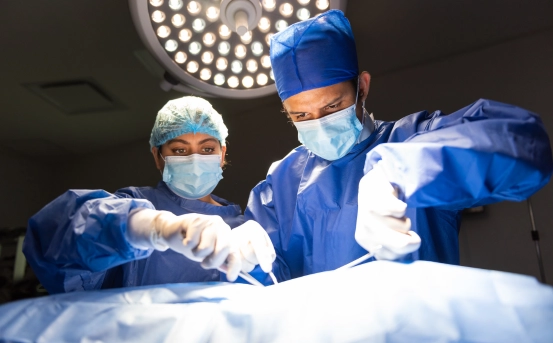
- Surgery :- Surgery remains a cornerstone for treating most urological cancers. The type of surgery varies by cancer type
- Radical Nephrectomy: Removal of the affected kidney for kidney cancer.
- Partial Nephrectomy: Preserves kidney function by removing only the tumor.
- Cystectomy: Partial or complete removal of the bladder for bladder cancer.
- Prostatectomy: Surgical removal of the prostate gland, often recommended for localized prostate cancer.
- Orchiectomy: Removal of one or both testicles in cases of testicular cancer.
Advancements in minimally invasive surgeries such as laparoscopic and robotic-assisted procedures have improved recovery times and reduced complications.
- Radiation Therapy :- Radiation therapy uses high-energy rays to destroy cancer cells. It is commonly used for
- Prostate cancer, especially in older patients or those who are not candidates for surgery.
- Bladder cancer, often in combination with chemotherapy.
- Palliative care to relieve symptoms and improve quality of life in advanced cases.
Modern radiation techniques, including intensity-modulated radiation therapy (IMRT), allow precise targeting of tumors, minimizing damage to surrounding healthy tissues.
- Chemotherapy :- Chemotherapy involves the use of drugs to kill rapidly dividing cancer cells. It is commonly used for
- Advanced or metastatic bladder cancer.
- Testicular cancer, where chemotherapy has a high cure rate even in metastatic disease.
- Kidney cancer in cases where surgery is not feasible or as adjuvant therapy.
Chemotherapy may be administered orally, intravenously, or in combination with other treatments.
- Immunotherapy :- Immunotherapy is a cutting-edge treatment that stimulates the body’s immune system to attack cancer cells. It has shown promising results in bladder cancer and kidney cancer, particularly in patients with advanced disease. Checkpoint inhibitors are a common form of immunotherapy used to enhance the immune response against tumor cells.
- Targeted Therapy :- Targeted therapy involves drugs that specifically target cancer cell pathways, reducing growth and proliferation. It is especially effective in renal cell carcinoma (kidney cancer) and may be combined with other treatments for improved outcomes.
Examples include tyrosine kinase inhibitors (TKIs) and VEGF inhibitors.
- Hormonal Therapy :- Hormonal therapy is primarily used for prostate cancer, as the growth of prostate cancer cells often depends on male hormones (androgens). Treatments may include
- Androgen deprivation therapy (ADT)
- Anti-androgen medications
Hormonal therapy can slow cancer growth, relieve symptoms, and enhance the effectiveness of other treatments.
Personalized Treatment Approach
Every patient’s journey with urological cancer is unique. Personalized treatment plans are developed based on tumor type, stage, genetic profile, and patient preferences. Multidisciplinary care involving urologists, oncologists, radiologists, and supportive care teams ensures comprehensive management and optimal outcomes.
Preventive Measures and Early Detection
While not all urological cancers are preventable, adopting a healthy lifestyle and undergoing regular screenings can reduce risk
- Quit smoking: Smoking increases the risk of bladder and kidney cancers.
- Healthy diet and exercise: Reduces obesity-related cancer risks.
- Routine screenings: PSA tests, ultrasound, and urine cytology can detect cancers early.
- Avoid prolonged exposure to harmful chemicals: Particularly in workplaces.
Early detection through proactive screening can significantly increase the chances of successful treatment.
Conclusion
Urological cancers, while complex, are increasingly treatable thanks to advanced surgical techniques, targeted therapies, immunotherapy, and personalized treatment plans. Early diagnosis and timely intervention remain the most crucial factors in achieving favorable outcomes. Patients are encouraged to seek care from experienced specialists who can offer the latest treatment options and a multidisciplinary approach for comprehensive cancer management.