Introduction
Venous tumours, also known as venous malformations or venous vascular anomalies, are abnormal clusters of veins that can appear anywhere in the body. Although usually benign, these growths can cause discomfort, pain, swelling, cosmetic concerns, and functional limitations depending on their size and location. With advancements in medical technology, the treatment of venous tumours has become more precise, minimally invasive, and highly effective.
What Are Venous Tumours?
Venous tumours are congenital abnormalities in the veins that develop due to improper formation of the vascular system. Unlike cancers, venous tumours are non-cancerous and typically grow slowly. They can occur in the skin, muscles, bones, or internal organs. While some remain small and asymptomatic, others expand over time and may cause significant discomfort or functional issues.
Common locations for venous tumours include
- Face and neck
- Limbs
- Chest and abdomen
- Internal organs (rare cases)
Understanding the nature of these malformations is essential for choosing the right treatment plan.
Causes and Risk Factors
Venous tumours are generally congenital, meaning they are present at birth even if they appear later in life. They are caused by genetic mutations regulating vascular development. Most cases occur sporadically and are not inherited. Factors that may cause symptoms to worsen include
- Hormonal changes during puberty or pregnancy
- Trauma or injury to the affected area
- Infections or inflammation
- Increased physical activity involving the area
While these triggers do not cause venous tumours directly, they can accelerate their growth or worsen the symptoms.
Common Symptoms of Venous Tumours
Symptoms vary depending on the location and size of the venous tumour. Some individuals may experience only cosmetic concerns, while others deal with significant pain and swelling.
Key symptoms include
- Bluish or purple skin discoloration
- Soft, compressible mass that enlarges with physical activity
- Persistent pain or aching, especially after movement
- Swelling and inflammation
- Limited mobility if the tumour affects joints or muscles
- Blood clot formation (phleboliths) inside the malformation
- Functional impairment in severe cases
If a venous tumour is located near the face, mouth, or airway, it may affect speech, breathing, or swallowing and requires prompt medical attention.
Diagnosis: How Venous Tumours Are Identified
Accurate diagnosis is crucial for determining the most effective treatment. Physicians may use a combination of clinical evaluation and imaging tests.
Diagnostic Tools Include
- Doppler Ultrasound :- A non-invasive imaging test that assesses blood flow patterns within the tumour.
- MRI (Magnetic Resonance Imaging) :- MRI provides detailed images that reveal the size, depth, and extent of the malformation, making it the most commonly used tool.
- CT Scan :- Useful for tumours involving bone structures.
- Venography :- A specialized imaging technique where dye is injected into the veins to map the malformation structure.
- X-rays :- Sometimes used to detect calcified blood clots inside venous tumours.
These tests help specialists determine whether the tumour is isolated or part of a more complex vascular syndrome.
Treatment of Venous Tumours
Treatment depends on the location, severity, symptoms, and the patient’s age. Modern therapies focus on symptom relief, cosmetic improvement, and preventing complications such as thrombosis or bleeding.
Below are the most common and effective treatment methods
- Sclerotherapy (Minimally Invasive Treatment) :- Sclerotherapy is the gold standard treatment for venous tumours. A sclerosant (medication) is injected directly into the tumour, causing the vein walls to collapse and shrink over time.
Benefits of sclerotherapy
- Minimally invasive
- Performed as an outpatient procedure
- Quick recovery
- Highly effective for small and medium-sized lesions
Multiple sessions may be required depending on the extent of the tumour.
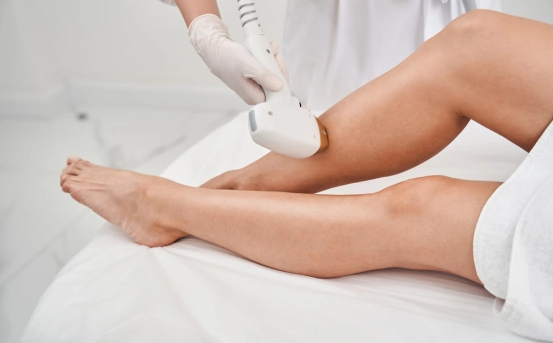
- Laser Therapy :- Laser therapy is particularly effective for superficial venous tumours, especially those on the face or skin surface. The laser targets abnormal veins and causes them to fade gradually.
Advantages include
- No incisions
- Minimal downtime
- Precise targeting of visible veins
- Surgery for Venous Tumours :- Surgical removal may be recommended for
- Very large venous tumours
- Tumours causing functional problems
- Deep lesions resistant to sclerotherapy
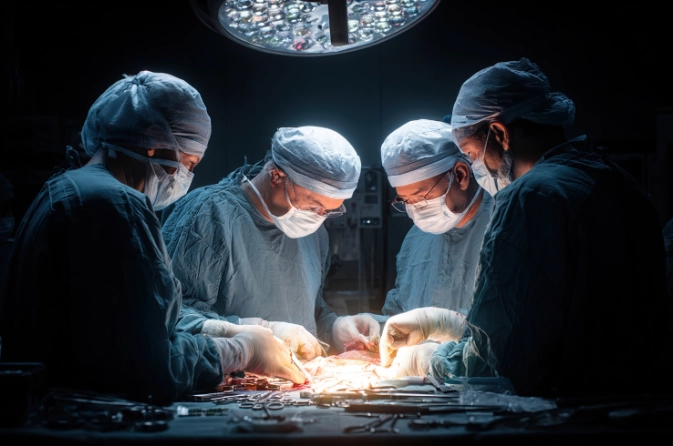
Surgery is often combined with sclerotherapy to reduce bleeding and shrink the tumour before removal.
- Radiofrequency Ablation :- This technique uses heat energy to destroy abnormal venous tissue. It is minimally invasive and useful for deeper venous malformations that cannot be treated with lasers.
- Compression Therapy :- Compression garments or bandages are often prescribed to manage pain and swelling associated with venous tumours. They help improve blood flow and prevent blood pooling.
- Medication for Symptom Relief :- While medications cannot eliminate venous tumours, they can help control symptoms such as inflammation, clot formation, or pain.
Recovery and Long-Term Outlook
Most patients experience significant improvement after treatment, especially with modern therapies like sclerotherapy and laser therapy. However, venous tumours may require ongoing management because they are congenital and can reappear or grow due to hormonal or physical triggers.
Key long-term care recommendations
- Regular follow-up with a vascular specialist
- Maintaining healthy weight and physical activity
- Wearing compression garments if advised
- Avoiding trauma to the affected area
With timely diagnosis and appropriate treatment, patients can enjoy an improved quality of life with reduced symptoms and enhanced cosmetic outcomes.
Conclusion
The treatment of venous tumours has advanced significantly, offering patients a wide range of safe and effective options. Whether through sclerotherapy, laser therapy, surgery, or supportive care, modern medicine provides highly successful outcomes with minimal complications. If you or a loved one is experiencing symptoms of a venous tumour, early medical evaluation can ensure the best possible treatment approach and long-lasting relief.