





Introduction
Cryotherapy is a medical and therapeutic treatment that uses extremely cold temperatures to treat various health conditions and improve overall wellness. The word “cryo” means cold, and this therapy works by exposing the body or specific areas to low temperatures for a short period. Cryotherapy is widely used in dermatology, pain management, sports medicine, cosmetic treatments, and even wellness therapies.
The primary goal of cryotherapy is to reduce inflammation, relieve pain, destroy abnormal or damaged tissue, and promote faster healing. Depending on the condition being treated, cryotherapy can be applied to a small targeted area or to the entire body. Understanding the different types of cryotherapy helps patients and healthcare providers choose the most appropriate treatment option.
Types of Cryotherapy Surgery
- Localized Cryotherapy :- Localized cryotherapy is the most commonly used type. In this method, cold treatment is applied to a specific area of the body to target pain, inflammation, or abnormal tissue. In medical settings, doctors use liquid nitrogen or specialized cooling devices to treat conditions such as warts, skin tags, precancerous lesions, and certain benign or cancerous skin growths. The extreme cold freezes and destroys the unwanted tissue, which eventually falls off as healthy skin regenerates. In physiotherapy and sports medicine, localized cryotherapy is used to treat muscle injuries, sprains, joint pain, and swelling. Ice packs, cold sprays, or cooling machines help reduce inflammation, numb the affected area, and speed up recovery. This type of cryotherapy is safe, effective, and widely recommended for both medical and rehabilitation purposes.
- Whole-Body Cryotherapy (WBC) :- Whole-body cryotherapy is a modern wellness and recovery treatment where the entire body is exposed to extremely cold air, usually between -100°C to -140°C, for about two to four minutes. During the session, the person stands in a special cryotherapy chamber while wearing protective gloves, socks, and minimal clothing. This type of cryotherapy is commonly used by athletes and fitness enthusiasts to reduce muscle soreness, improve recovery after intense exercise, and decrease inflammation. It is also believed to stimulate blood circulation, boost metabolism, improve mood, and support overall wellness. Whole-body cryotherapy is non-invasive and quick, but it should always be performed under professional supervision to ensure safety.
- Cryosurgery :- Cryosurgery is a specialized medical procedure that uses extreme cold to destroy abnormal or diseased tissue. Liquid nitrogen or argon gas is applied directly to the affected area through a spray, probe, or applicator.
This method is commonly used to treat:
- Skin lesions and warts
- Precancerous skin conditions
- Certain types of skin cancer
- Cervical abnormalities
- Prostate or liver tumors (in selected cases)
Cryosurgery is considered a minimally invasive alternative to traditional surgery. It causes less bleeding, minimal pain, and faster healing compared to conventional surgical procedures.
- Internal Cryotherapy (Cryoablation) :- Internal cryotherapy, also known as cryoablation, is used to treat tumors or abnormal tissues inside the body. In this procedure, a thin needle-like probe is inserted into the targeted area using imaging guidance such as ultrasound, CT scan, or MRI.
The probe releases extremely cold gas to freeze and destroy the abnormal cells. Cryoablation is commonly used for:
- Liver tumors
- Kidney tumors
- Lung nodules
- Prostate conditions
- Certain bone or soft tissue tumors
This technique is minimally invasive, preserves surrounding healthy tissue, and often results in shorter recovery time compared to open surgery.
- Cryotherapy for Pain Management :- Cryotherapy is widely used to manage chronic pain and inflammatory conditions. Controlled cold therapy helps reduce nerve activity, decrease swelling, and provide temporary pain relief.
It is beneficial for conditions such as:
- Arthritis
- Tendonitis
- Back and neck pain
- Sports injuries
- Post-surgical swelling
Cold therapy may be delivered through ice packs, cold compression devices, or specialized cooling systems in clinical settings.
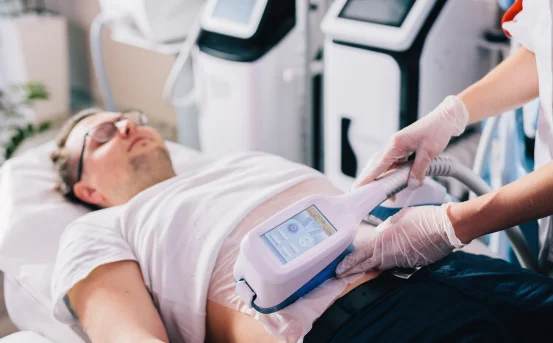
- Cosmetic Cryotherapy :- Cryotherapy is also used for cosmetic and aesthetic purposes. In dermatology clinics, controlled freezing helps remove unwanted skin growths and improve skin appearance.
Common cosmetic uses include:
- Removal of skin tags and moles
- Treatment of pigmentation and sun damage
- Acne and inflammation control
- Skin tightening and rejuvenation
Some wellness centers also offer facial cryotherapy, where cold air is applied to the face to improve blood circulation and give the skin a refreshed appearance.
Conclusion
Cryotherapy is a versatile treatment that uses controlled cold exposure to address a wide range of medical, therapeutic, and cosmetic concerns. From localized cryotherapy for pain and skin conditions to advanced procedures like cryosurgery and cryoablation for tumor treatment, each type serves a specific purpose based on the patient’s needs.
With its minimally invasive nature, quick procedure time, and effective results, cryotherapy has become an important tool in modern healthcare and wellness. However, the choice of cryotherapy type should always be made under the guidance of a qualified healthcare professional to ensure safety and the best possible outcome.



