Introduction
Dental implants have transformed modern dentistry, offering a long-term solution for people with missing or damaged teeth. Unlike traditional dentures or bridges, dental implants are surgically placed into the jawbone and function like natural teeth. Whether you’ve lost a tooth due to injury, decay, or disease, dental implant surgery can restore your oral function and appearance. However, not all dental implants are the same. Several types of implant procedures exist, each designed to meet specific patient needs based on jawbone structure, the number of missing teeth, and overall oral health.
Understanding the different types of dental implant surgeries helps patients make informed decisions with their oral surgeon or dentist. Let’s explore the major types of dental implant surgeries performed today and how each one works.
Types of Dental Implant Surgery
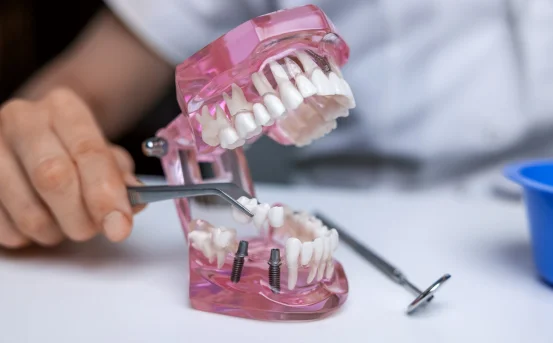
- Endosteal Implants :- These are the most common type of dental implants used today. Endosteal implants are placed directly into the jawbone using titanium screws or cylinders. This type is ideal for patients who have sufficient bone density in the jaw and are in good oral health. The implant is placed in the bone during a surgical procedure and is allowed to heal and fuse with the bone in a process called osseointegration. Once the implant integrates, a crown or artificial tooth is placed on top. Because they are anchored into the bone, endosteal implants are highly stable and durable. However, the procedure may take several months due to the healing phase between implant placement and crown attachment.
- Subperiosteal Implants :- Unlike endosteal implants, subperiosteal implants rest on top of the jawbone but under the gum tissue. This type is best suited for patients who do not have sufficient bone height or density and either cannot or do not wish to undergo bone grafting. The implant consists of a custom-made metal framework that fits over the bone. Posts protrude through the gums to hold the replacement teeth. Subperiosteal implants are less invasive in terms of bone manipulation, but they may not offer the same level of long-term stability as endosteal implants. These are rarely used today but may be an option in specific clinical cases.
- Zygomatic Implants :- Zygomatic implants are specialized implants used for patients with severe bone loss in the upper jaw. Instead of being anchored into the jawbone, these are placed into the cheekbone (zygoma), which is denser and provides stronger support. They are an advanced alternative to bone grafting when upper jaw bone volume is insufficient for standard implants. The procedure is complex and typically performed by experienced oral surgeons. Patients can often receive a full arch of teeth the same day as the surgery, making it both practical and time-saving. Zygomatic implants are a viable solution for those previously told they weren’t candidates for traditional implants due to extreme bone loss.
- All-on-4 Implants :- All-on-4 is a full-arch dental implant solution where four strategically placed implants support an entire set of teeth on either the upper or lower jaw. This technique is particularly useful for patients who have lost most or all of their teeth and want a permanent alternative to removable dentures. Two implants are placed vertically at the front of the jaw, and two are placed at an angle at the back to maximize contact with existing bone. With All-on-4, temporary teeth are usually placed the same day as surgery, followed by permanent teeth after healing. It reduces the need for bone grafts and offers quicker recovery, making it a popular option.
- Mini Dental Implants :- Mini dental implants are narrower and smaller than traditional implants. They are typically used in patients with insufficient bone density or to stabilize lower dentures. These implants are less invasive and can often be placed in a single visit. Healing time is shorter, and patients usually experience less discomfort. However, they may not be suitable for replacing large molars or supporting bridges that bear heavy chewing forces. Mini dental implants are a more cost-effective solution and ideal for those who cannot undergo extensive surgery.
- Immediate Load Dental Implants :- Also known as same-day implants, these are placed immediately after a tooth is extracted, allowing a temporary crown to be placed on the implant on the same day. This approach is convenient and reduces the overall treatment timeline. However, it requires good bone quality and quantity to ensure primary stability. The patient must also be free of infection and have healthy gums. Immediate load implants are not for everyone, but for qualified candidates, they offer the advantage of restoring function and aesthetics in a single appointment.
- Two-Stage Dental Implants :- This traditional approach to implants involves two surgical steps. First, the implant is inserted into the jawbone and covered with gum tissue to heal for several months. In the second stage, a minor surgery exposes the implant to attach the abutment and crown. This method ensures strong osseointegration and is widely used for patients who need long-term stability and predictable results. It’s especially effective in more complex cases where more control is needed over healing and placement.
- Single Tooth vs. Multiple Tooth Implants :- Depending on the number of teeth missing, implants may be used to replace a single tooth, several teeth, or an entire arch. A single-tooth implant involves one implant and one crown. For multiple missing teeth, implants can anchor bridges or even a full denture. The choice depends on your oral condition, health, and personal goals. These options are designed to mimic the appearance and function of natural teeth, providing a durable and aesthetic solution.
Conclusion
Dental implants are an excellent way to replace missing teeth and restore confidence, function, and oral health. The type of implant surgery recommended will depend on a variety of factors, including bone density, number of teeth missing, and your overall health. Whether you need a single implant or a full-mouth reconstruction, modern implant dentistry offers solutions tailored to your needs. Always consult with a qualified dental professional who can evaluate your condition and recommend the best approach.