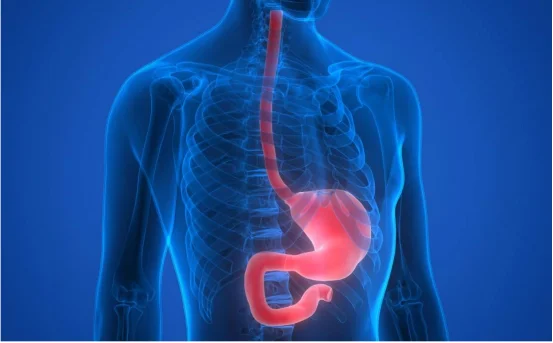
Esophagectomy is a major surgical procedure used to remove part or all of the esophagus the muscular tube that connects the throat to the stomach. This surgery is most commonly performed to treat esophageal cancer but may also be necessary for other severe conditions like Barrett’s esophagus with high grade dysplasia or esophageal strictures that do not respond to other treatments. Over the years, several types of esophagectomy surgeries have been developed to improve patient outcomes and minimize complications.
Esophagectomy is most frequently performed for esophageal cancer, particularly when the tumor is localized and potentially curable. However, it may also be used for non cancerous but serious conditions such as high grade Barrett’s esophagus, strictures resistant to treatment, or esophageal perforations. Given the complexity of the esophagus’s location running through the neck, chest, and abdomen several different surgical approaches have been developed to ensure both safety and effectiveness.
What is Esophagectomy Surgery?
Before diving into the different types of esophagectomy, it’s important to understand why this procedure is often necessary. Esophageal cancer, both squamous cell carcinoma and adenocarcinoma, can obstruct the passage of food, cause severe pain, and spread to nearby organs. Removing the affected section of the esophagus can help eliminate cancer and provide a chance for a cure or long term control. In non cancerous cases like achalasia or severe damage from acid reflux, esophagectomy may be the last resort to improve quality of life.
Types of Esophagectomy Surgery
Esophagectomy can be performed using different surgical approaches depending on the location of the tumor or damage, the patient’s overall health, and the surgeon’s expertise. The most common types include :-
-
Transhiatal Esophagectomy (THE)
-
Transthoracic Esophagectomy (TTE)
-
Minimally Invasive Esophagectomy (MIE)
-
McKeown Esophagectomy
-
Ivor Lewis Esophagectomy
Each method involves the removal of the affected portion of the esophagus and reconstruction using the stomach or, in some cases, a section of the intestine. Let’s explore these procedures in detail.
-
Transhiatal Esophagectomy (THE) :- The transhiatal approach is a traditional method that avoids opening the chest. In this technique, surgeons make two incisions one in the neck and another in the abdomen. The esophagus is carefully dissected and removed through these incisions, without directly entering the thoracic cavity.
This approach is usually preferred for tumors located in the lower or middle third of the esophagus. Because the chest cavity is not opened, patients may experience less postoperative pain and fewer pulmonary complications. However, visibility is limited during the surgery, which can make it more technically challenging, especially for large or upper esophageal tumors.
-
Transthoracic Esophagectomy (TTE) :- Transthoracic esophagectomy involves an incision in the chest (thoracotomy), typically on the right side, and another incision in the abdomen. Sometimes, a third incision in the neck is also made, depending on the location of the tumor. This approach provides excellent visibility and access to the esophagus and surrounding lymph nodes.
TTE is often recommended when a thorough lymphadenectomy (removal of lymph nodes) is necessary, as in cases of advanced esophageal cancer. However, because it involves entering the chest, patients may face a longer recovery time and a higher risk of respiratory complications compared to THE.
-
Minimally Invasive Esophagectomy (MIE) :- As technology has advanced, many hospitals now offer minimally invasive esophagectomy, which uses small incisions and specialized instruments, including a laparoscope and thoracoscope. This method can be used for either a transhiatal or transthoracic approach, depending on the case.
Minimally invasive esophagectomy offers several benefits, such as reduced blood loss, smaller scars, shorter hospital stays, and faster recovery. However, not all patients are suitable candidates, particularly those with very large tumors or who have undergone previous abdominal or chest surgeries. Surgical skill and experience play a critical role in the success of MIE.
-
McKeown Esophagectomy :- Also known as a three incision esophagectomy, the McKeown procedure combines all three major incisions abdominal, thoracic, and cervical (neck). This approach is commonly used for tumors located in the upper or middle third of the esophagus.
The benefit of the McKeown esophagectomy is that it allows for precise removal of high esophageal tumors and extensive lymph node dissection. The esophagus is removed, and the stomach is pulled up to the neck to restore digestive continuity. However, because of the three incisions and complexity, it carries a higher risk of complications such as vocal cord injury or leaks at the cervical anastomosis (surgical connection).
-
Ivor Lewis Esophagectomy :- The Ivor Lewis esophagectomy is a two incision approach involving the abdomen and right chest. It is typically used for mid to lower esophageal tumors. Unlike the McKeown method, the anastomosis is performed inside the chest rather than in the neck.
This technique offers a balance between adequate tumor removal and reduced complication rates. By avoiding the neck incision, the risk of vocal cord damage is minimized. However, if a leak occurs at the chest level anastomosis, it can be more dangerous than a leak in the neck, requiring vigilant postoperative monitoring.
Choosing the Right Esophagectomy Approach
The choice of esophagectomy technique depends on several factors, including the location and stage of the tumor, the patient’s anatomy and overall health, and the surgeon’s training. For instance, a patient with early stage lower esophageal cancer and good pulmonary health may do well with a minimally invasive Ivor Lewis esophagectomy. In contrast, someone with upper esophageal cancer may be better suited for a McKeown procedure.
Patients should also consider the experience of the surgical center. High volume esophageal surgery centers often report better outcomes and fewer complications. A multidisciplinary team including surgical oncologists, gastroenterologists, thoracic surgeons, and nutritionists plays a crucial role in optimizing treatment outcomes.
Recovery and Postoperative Considerations
Regardless of the surgical approach, esophagectomy is a major procedure that requires significant recovery time. Patients typically stay in the hospital for 7 to 14 days, and full recovery can take several months. A feeding tube is often placed temporarily to ensure adequate nutrition while the new esophageal pathway heals.
Common postoperative challenges include difficulty swallowing, reflux, weight loss, and fatigue. In some cases, strictures (narrowing at the surgical connection site) may develop and require dilation. With proper rehabilitation, diet management, and regular follow ups, most patients can gradually return to a normal lifestyle.
Conclusion
Esophagectomy remains a cornerstone in the treatment of esophageal cancer and other serious esophageal conditions. With advancements in surgical techniques, including minimally invasive and robotic approaches, the safety and outcomes of this complex procedure have significantly improved. Understanding the different types of esophagectomy surgeries including transhiatal, transthoracic, minimally invasive, McKeown, and Ivor Lewis helps patients make informed decisions and prepares them for the journey ahead.